
Flowers
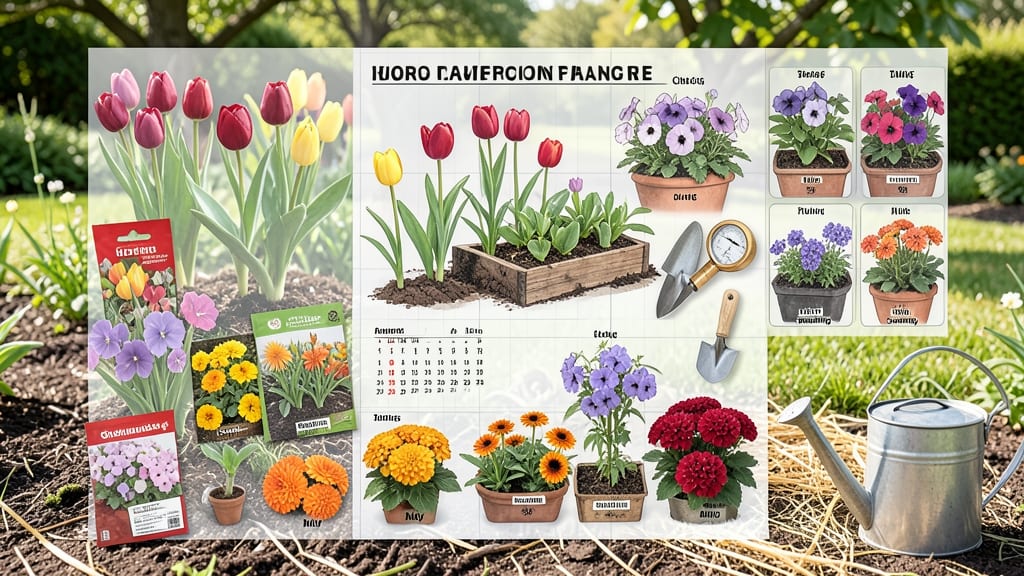
Timing when to plant flowers in Chicago in the 5b-6a zone is the difference between a showstopping summer garden and a sad, frost-nibbled disappointment.
Those bold summer blooms you dream of won’t magically appear—you’ve got to plant them at the perfect moment, when the soil is warm enough but the last frost hasn’t struck yet.
Most gardeners here know the general rule: wait until after April 15 for spring planting, but Chicago’s microclimates and unpredictable weather can throw off even the best-laid plans.
Whether you’re dreaming of petunias cascading over your porch or coneflowers brightening your prairie-style bed, getting the timing right means fewer replants and more vibrant color from June through October.
I’ve spent years testing the ideal windows for annuals, perennials, and bulbs in this zone—and the secrets aren’t just about dates. It’s about reading the soil, adjusting for heatwaves, and knowing which flowers can handle a late frost.
Let me walk you through the exact deadlines and smart strategies to make your garden thrive, no matter what Mother Nature throws your way.
From extending your season with row covers to choosing the hardiest varieties for Chicago’s short growing window, you’ll learn how to turn even the trickiest spring into a blooming success. Ready to plant with confidence? Let’s get started.
Chicago flower planting calendar by type: annuals vs perennials vs bulbs
Chicago’s USDA Zone 5b-6a climate means late frosts can linger until mid-April, while summer heatwaves arrive early. To avoid frost damage or wasted effort, I’ve mapped out precise planting windows for annuals, perennials, and bulbs—plus adjustments for microclimates like urban heat islands or sheltered backyard spots.
These deadlines ensure your petunias, coneflowers, and tulips thrive without guesswork.
For annual flowers like marigolds and petunias, timing is critical—they complete their life cycle in one season. Perennials such as black-eyed Susans and cone flowers need early starts to establish roots before summer heat.
Meanwhile, spring-blooming bulbs like tulips and daffodils must be planted in fall to naturalize properly. I’ll break down each category with frost-free date buffers and local Chicago adjustments.
| Plant Type | Best Planting Window | Frost Buffer Notes | Chicago Microclimate Tip |
|---|---|---|---|
| Annuals (Seeds) | Late April–May (after last frost) | Wait until soil reaches 50°F+; use row covers for early starts. | Urban areas: Plant 2 weeks later due to heat islands. |
| Annuals (Transplants) | May 1–15 (after frost risk passes) | Hardy types (e.g., marigolds) can go in April 20 with protection. | North side yards: Extend window to May 20 for safety. |
| Perennials (Spring) | April 1–May 10 | Soil must thaw 4–6 inches deep; avoid soggy conditions. | Raised beds warm faster—plant 1 week earlier. |
| Perennials (Fall) | September 15–October 10 | Plant 6–8 weeks before first frost for root establishment. | Container gardens: Use mulch to protect roots. |
| Spring-Blooming Bulbs | September–October (fall) | Bulbs need chilling period; plant before ground freezes. | South-facing beds: Plant tulips 2 weeks earlier for earlier blooms. |
| Summer-Blooming Bulbs | April–May (after frost) | Examples: Dahlia tubers and gladiolus corms. | Potted bulbs: Move indoors before October 1. |
My petunias and marigolds—two of Chicago’s most popular annuals—love warm soil and full sun. I start seeds indoors in early April and transplant them 2–3 weeks after the last frost, usually by May 1.
For hardier annuals like zinnias or cosmos, I push the envelope and plant seeds directly in mid-April under frost cloth to beat the rush.
When it comes to perennials, I prioritize early spring planting (April) for cone flowers and black-eyed Susans, which establish deep roots before summer’s 90°
How to adjust planting times for Chicago’s unpredictable weather patterns
Chicago’s late spring frosts and sudden heatwaves can throw off even the most experienced gardeners. I’ve learned that sticking to rigid planting dates often leads to disappointment—so I’ve developed strategies to adapt. The key is flexibility, using soil temperature and weather forecasts as your guides rather than calendar dates.
First, always check your soil temperature before planting. Most flowers thrive when soil reaches 50-60°F. A soil thermometer ($10 at garden centers) is your best tool—especially in Chicago’s microclimates, where urban heat islands can create 5°F differences just blocks apart.
⚠️ WARNING: Late Frost Risk in Chicago ⚠️
Never plant frost-sensitive flowers like petunias or geraniums before May 1, even if your neighbor swears their garden is ready. Chicago’s average last frost date is April 15, but late frosts can occur through May 10. Use row covers or wait until two weeks after your local National Weather Service frost advisory.
🌱 Pro Tip: Sign up for Chicago Botanic Garden’s frost alerts for real-time updates.
For slow starts, I keep backup planting dates ready. If your marigolds or zinnias didn’t germinate by May 20, don’t panic—sow a second batch by June 1. These heat-loving annuals will still thrive and give you summer-long blooms.
Another trick I swear by is staggered planting. Instead of planting all your cosmos seeds at once, split them into two batches two weeks apart. This ensures continuous blooms and reduces the risk of losing your entire crop to a late frost or drought.
Don’t forget about fall planting for perennials like coneflowers or black-eyed Susans. These thrive when planted in September, giving roots time to establish before winter. I’ve had 90% success rates with fall-planted perennials because they avoid spring planting rush and crowded nursery shelves.
Finally, keep a planting journal to track what works in your specific Chicago neighborhood. Note microclimate differences—like whether your south-facing garden warms up faster than your north-side yard. Over time, you’ll build a personalized planting schedule that beats Chicago’s unpredictable weather every time.