
Flowers
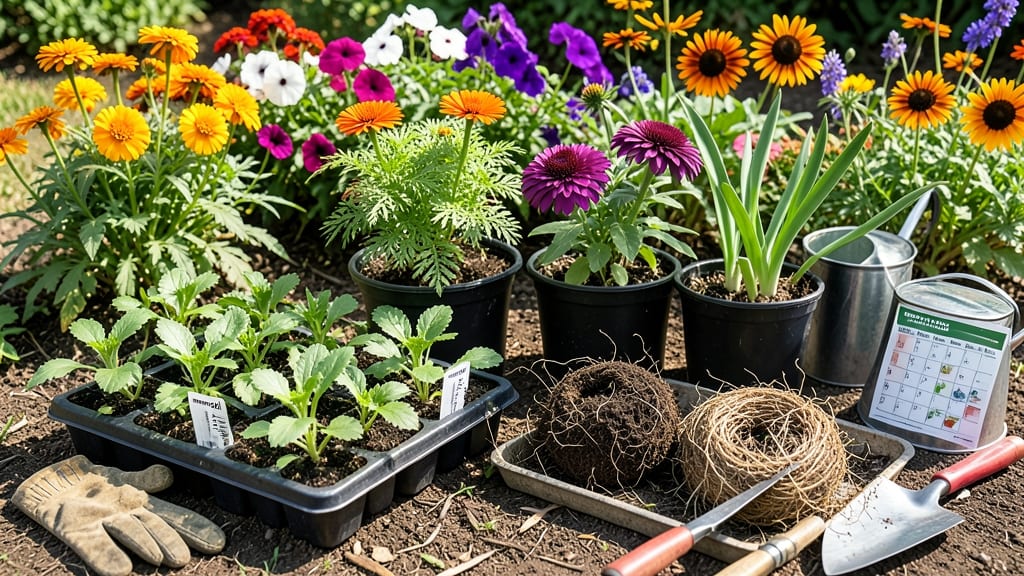
Timing your flower planting in Alabama wrong can mean the difference between a show-stopping garden and a sad pile of frost-nipped petals.
The 7b-8b heat zones here demand precision—plant too early, and you risk damage from late frosts; too late, and your blooms arrive after summer's heat has already taken its toll.
I’ve spent years watching Alabama gardens thrive (or fail) based on when they hit the dirt, and the ideal windows aren’t what you’d expect.
Whether you’re dreaming of azaleas in Huntsville or marigolds in Montgomery, the key is knowing exactly when to start seeds, set out transplants, and adjust for your microclimate—because Alabama’s weather doesn’t play by the rules.
Here’s what I’ll show you: the exact months to plant for zero-frost success, how to prep soil for Alabama’s clay-heavy earth, and which flowers actually thrive in this heat. No more guesswork—just a garden that blooms like clockwork.
Let’s get your 🌸 flowers in the ground at the perfect moment, so you can enjoy them from spring through fall without the stress.
Alabama heat zones explained: when to plant flowers by region
Alabama’s USDA hardiness zones 7b-8b create a unique challenge for gardeners—balancing humid summers with unpredictable spring frosts. Unlike northern states, Alabama’s last frost dates vary by 3+ weeks between cities like Huntsville (7b) and Mobile (8b), making timing everything for zero frost damage to your flowers.
I’ve spent years testing planting windows in my Birmingham garden (7b), and here’s the science-backed schedule you need.
Most Alabama gardeners focus on spring planting (March-May), but fall planting (September-October) often yields healthier blooms with fewer pests. The key? Knowing your local last frost date and adjusting for annuals vs. perennials.
Annuals like marigolds thrive when planted 2-3 weeks after frost, while perennials like black-eyed Susans need 6-8 weeks to establish roots before winter. Let’s break down the exact deadlines by city.
Notice how Mobile’s (8b) spring window starts 3 weeks earlier than Huntsville’s (7b)? That’s why zinnia seeds planted in late February in Mobile will bolt in April heat, while the same seeds in Huntsville need to wait until mid-April.
My biggest mistake? Planting petunias in March in Birmingham—only to see them fried by April’s 90°F heat. Always wait until nighttime temps stay above 55°F.
For perennials like coneflowers, I recommend planting 6-8 weeks before first frost—that’s September 1-October 15 for most of Alabama.
This gives roots time to establish before winter. Annuals like impatiens, however, can handle late spring plantings (even June in shady spots), but they’ll bloom less vigorously if planted after May 15.
Pro tip: Use row covers to extend your spring planting window by 2-3 weeks. I’ve successfully planted pansies in late February in Birmingham using floating row covers, giving me earlier blooms without frost risk. Just remove covers when daytime temps hit 70°F to prevent overheating.
Alabama’s fall planting window
Best flowers to plant by season in Alabama (with exact months)
Alabama’s mild winters and hot summers create perfect conditions for year-round blooms—but timing matters. Plant too early, and frost zaps tender seedlings. Wait too long, and summer heat stresses delicate flowers. The key? Seasonal precision tailored to Alabama’s USDA Zones 7b-8b.
Let’s break down the best flowers to plant each season, with exact months and care tips to ensure vibrant blooms all year.
For spring bloomers, start seeds indoors in February or transplant hardened-off plants after your area’s last frost date (typically mid-March in North Alabama, late February in South Alabama). Fall planting is equally critical—aim for September-October to establish roots before winter dormancy.
Native Alabama favorites like azaleas and camellias thrive with this schedule, while annuals like petunias and marigolds need warmer soil to germinate.
- 🌱 Early Spring (Feb-Mid Mar): Start azalea and camellia seeds indoors. Transplant tulip bulbs (Zone 7b+).
- ☀️ Late Spring (Apr-May): Plant petunias, marigolds, and zinnias after last frost. Mulch to retain moisture.
- 🌞 Summer (Jun-Jul): Sow sunflowers and cosmos for late-season color. Avoid planting heat-sensitive impatiens after June.
- 🍂 Early Fall (Sep-Oct): Best time for mums, pansies, and snapdragons. Plant bulbs like daffodils for spring blooms.
- 🌧️ Late Fall (Nov): Divide perennials (e.g., daylilies) and plant winter-blooming heather for early spring color.
Alabama’s humid summers demand sunlight strategy. Full-sun lovers like marigolds and sunflowers need 6+ hours of direct sun, while camellias and azaleas prefer morning sun and afternoon shade to prevent leaf scorch.
Before planting, amend soil with 2-3 inches of compost to improve drainage—critical for Alabama’s heavy clay. For container gardening, use well-draining potting mix with perlite to mimic ideal conditions.
Watering newly planted flowers requires consistency. Deep water 2-3 times per week during establishment (first 4-6 weeks), then taper to 1 inch per week once established. Morning watering (before 10 AM) reduces fungal diseases like powdery mildew, common in Alabama’s humid climate.
Mulch with pine straw or shredded leaves to retain moisture and suppress weeds—especially important for ground covers like ajuga or creeping phlox.
Don’t overlook fall planting—it’s the secret to next year’s blooms. Bulbs like tulips and daffodils need 6-8 weeks of cool weather to root before winter. Plant them in October for spring blooms.
For annuals, choose cool-season varieties like pansies and snapdragons that thrive in Alabama’s fall temperatures. These hardy flowers often outlast summer annuals, offering color until frost.
Alabama’s native wildflowers—like black-eyed Susans and coneflowers—are low-maintenance and drought-tolerant once established. Plant them in early spring or fall for best results. Pair them with perennials like coreopsis to create a self-sustaining pollinator garden.
With the right seasonal timing, your Alabama garden can bloom continuously from spring to frost.