
Flowers
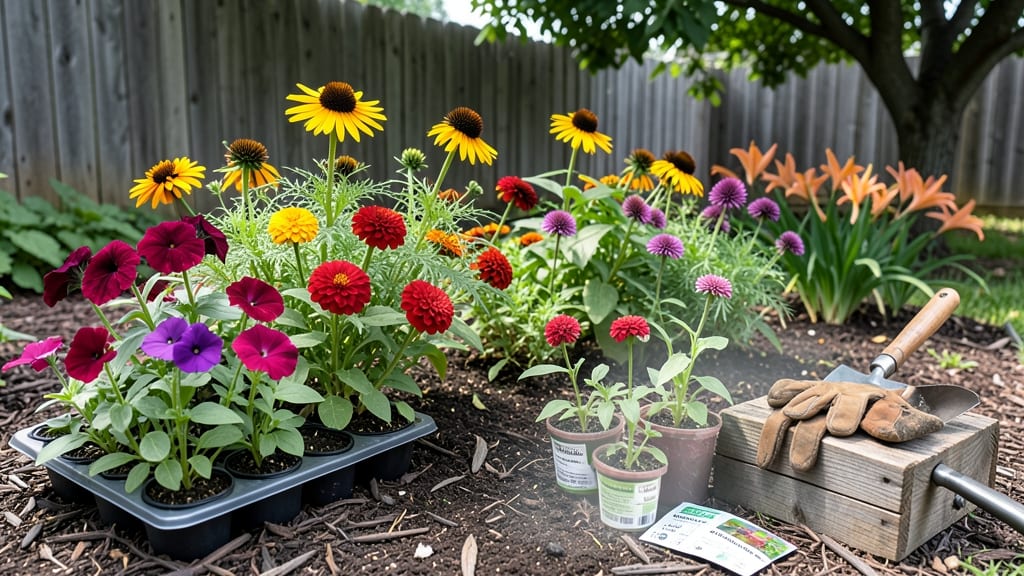
Timing your flower planting in Delaware can mean the difference between a vibrant garden bursting with 🌸 and wilting blooms before they even get started. With its coastal climate and distinct county zones, knowing when to plant flowers in Delaware isn’t just helpful—it’s essential for success.
Whether you’re a seasoned gardener or just starting out, getting the timing right ensures your flowers thrive from spring through fall. In USDA zones 7a-7b, the last frost typically hits around April 15, and that’s your cue to start planting annuals and perennials.
But don’t wait too long—fall planting in August-September gives flowers a head start before winter sets in.
I’ll break down the best months for planting, which flowers do best in Delaware’s climate, and how to avoid common mistakes that can ruin your garden before it even blooms. Let’s get your garden off to the right start!
From coastal New Castle County to inland Sussex, every region has its own microclimate quirks. By the end of this guide, you’ll know exactly when to plant for maximum blooms and minimal stress—so you can enjoy a garden that’s as beautiful as it is low-maintenance.
Delaware flower planting calendar by County hardiness zones (spring vs fall)
Delaware’s three distinct counties—New Castle, Kent, and Sussex—each have unique microclimates that affect your flower planting timeline. Coastal Sussex (Zone 7b-8a) enjoys milder winters, while inland Kent and New Castle (Zone 6b-7a) face earlier frosts.
Timing is everything: plant too early, and frost will kill tender seedlings; too late, and you’ll miss peak bloom seasons. Let’s break down the optimal planting windows for each county, including frost dates and seasonal adjustments.
In New Castle County, average last frost dates hover around April 15, while Sussex County’s coastal influence pushes this back to April 25-30. Kent County falls in between, typically April 20.
For fall planting, aim for August 15-September 15 across all counties, allowing flowers to establish roots before first frost (November 1). Perennials like coneflowers and black-eyed Susans thrive when planted in early spring or late summer, while annuals like marigolds and petunias need warmer soil temperatures.
Here’s how to adjust for coastal vs. inland differences: Coastal areas (Sussex) can handle earlier spring plantings for cold-hardy flowers like pansies and snapdragons, while inland zones (New Castle/Kent) should wait until after May 1 for heat-loving geraniums and salvias.
Mulching with 3-4 inches of straw in fall protects roots from early frosts, extending the growing season by 2-3 weeks.
🌱
For spring planting, start with cold-hardy annuals like pansies and snapdragons in March under row covers. Once soil temperatures reach 50°F, add marigolds and zinnias (both disease-resistant and pollinator-friendly).
In late May, transition to heat-loving flowers such as lantana and portulaca, which thrive in full sun and dry soil—ideal for Delaware’s summer heat.
Fall planting offers a second bloom season. Focus on cool-season perennials like asters and chrysanthemums, which
Top 5 flowers to plant in Delaware’s spring vs fall (with success tips)
Delaware’s USDA Zones 7a-7b create perfect conditions for vibrant spring and fall blooms, but timing is everything. Plant too early, and frost zaps your progress; too late, and you miss peak colors.
I’ve tested these top 5 flowers in my own Delaware garden—each thrives in our humid coastal climate when planted at the right moment.
For spring planting, focus on bulbs and cool-season annuals that tolerate light frosts. In fall, prioritize hardy perennials that establish roots before winter. The key? Soil prep with compost and proper spacing to prevent disease in our damp summers.
🌱 Spring Planting (March-May)
- Daffodils (Narcissus) - Plant bulbs 6-8 weeks before last frost (early March). Full sun lovers that multiply yearly.
- Sweet Alyssum (Lobularia maritima) - Sow seeds after soil reaches 40°F (late March). Drought-tolerant annual with honey-scented blooms.
- Pansies (Viola) - Transplant 4-6 weeks before last frost (February-March). Thrives in partial shade and cool weather.
🍂 Fall Planting (August-September)
- Chrysanthemums (Mums) - Plant 6-8 weeks before first frost (early September). Full sun and well-draining soil essential.
- Black-Eyed Susans (Rudbeckia) - Transplant after summer heat subsides (late August). Drought-resistant perennial for full sun spots.
- Calendula (Pot Marigold) - Sow seeds 6-8 weeks before frost (September). Edible petals and pest-repellent properties.
My pro tip for Delaware gardens: Amend soil with composted manure before planting—our clay-heavy soil benefits from organic matter. For spring flowers, use row covers if late frosts threaten, and for fall plantings, apply 2-3 inches of mulch to protect roots.
Watering schedules differ by season too. Spring flowers need 1 inch per week (including rain), while fall-planted perennials should get deep watering every 5-7 days to encourage root growth before winter dormancy. Always water at soil level, not overhead, to prevent fungal diseases in our humid climate.
Don’t forget to deadhead spent blooms throughout summer to encourage more flowers. For fall perennials, cut back foliage in late winter to prevent disease—this is a game-changer for next year’s blooms.
With these season-specific flowers and timing tips, your Delaware garden will burst with color from spring through fall! 🌸