
Flowers
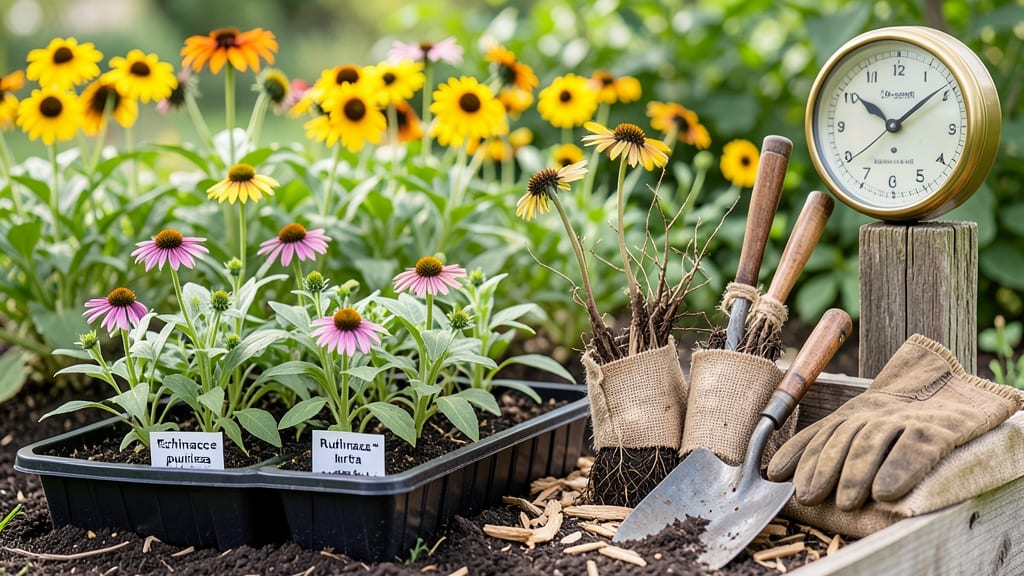
Planting flowers in Nebraska at the right time means the difference between a vibrant garden and a sad, half-dead patch of dirt—and the perfect moment depends on your hardiness zone.
If you’ve ever stared at a seed packet wondering, "Should I plant these now?" you’re not alone. Nebraska’s 5a-6b zones bring unique challenges, from late spring frosts to scorching summers.
But here’s the good news: with the right timing, you can enjoy blooms from May through October—even in the heart of the Cornhusker State.
I’ll break down exactly when to plant annuals, perennials, and bulbs, so you can skip the guesswork. Whether you’re in Omaha’s warmer pockets or the colder Panhandle, these zone-specific tips will help you get it right the first time.
Ready to turn your garden into a year-round showstopper? Let’s dive into the ideal planting schedule for Nebraska’s most beloved flowers—without the trial and error.
Nebraska flower planting calendar by hardiness zones 4-6
Nebraska’s USDA Hardiness Zones 4a-6b create a unique gardening challenge—cool springs and variable frost dates demand precision timing. The last average frost date typically falls between April 15 (north) and May 1 (south), while the first frost arrives around October 15.
These month-by-month guidelines will help you plant annuals, perennials, and bulbs at the optimal time for vibrant blooms all season.
For annual flowers, start seeds indoors 6-8 weeks before your last frost date. Cool-season annuals like pansies and snapdragons can handle light frosts, while warm-season varieties (e.g., marigolds, zinnias) need soil temperatures above 55°F (13°C) to thrive. Perennials should be planted in early spring or fall when soil is workable but not frozen.
In Zone 4a (northwest Nebraska), where winters are harsher, focus on early spring planting (March-April) for cold-hardy varieties like bleeding heart and lungwort. These perennials establish roots quickly in 45-55°F soil and tolerate late frosts.
For annuals, wait until May 10 to plant heat-loving varieties like sunflowers and cosmos.
Southern Nebraska’s Zone 6b offers a longer growing season, allowing you to plant warm-season annuals as early as April 20 in protected microclimates. Succession plant heat-tolerant varieties like
Best flowers to plant in Nebraska by season (with frost tolerance guide)
Nebraska’s cool springs and hot summers create the perfect stage for seasonal blooms, but choosing the right flowers for each season—and their frost tolerance—is key. Cool-season flowers like tulips and daffodils thrive in early spring, while black-eyed Susans and cone flowers shine in summer’s heat.
Nebraska natives like pasque flowers and wild bergamot add resilience and beauty with minimal care.
For beginners, low-maintenance perennials like daylilies and sedum are ideal—they bounce back year after year with minimal fuss. Annuals like marigolds and zinnias offer quick color but need replanting annually. Understanding frost dates (typically mid-April to mid-October) helps you avoid frost damage while maximizing bloom time.
🌱 When to Plant Flowers in Nebraska
✅ DO Plant:
- Cool-season flowers: March-April (tulips, pansies, snapdragons)
- Warm-season flowers: After last frost (May-June: zinnias, marigolds, cosmos)
- Perennials: Early spring or fall (cone flowers, black-eyed Susans)
- Bulbs: Fall (tulips, daffodils) or early spring (hyacinths)
❌ Avoid Planting:
- Tender annuals before last frost (e.g., impatiens, petunias)
- Heat-sensitive flowers in summer without shade (e.g., pansies)
- Bulbs in summer (they need cool soil to establish roots)
- Seeds in cold soil (wait until soil reaches 50°F+)
💡 Pro Tip: Use row covers to extend the season for frost-sensitive plants.
Spring-blooming cool-season flowers like bleeding heart and columbine handle Nebraska’s late frosts beautifully, often reblooming in fall. These hardy perennials (zones 3-6) return year after year, making them a low-maintenance choice.
For instant color, pansies and violas thrive in cool weather and even light frosts, blooming from early spring until summer’s heat arrives.
Summer’s warm-season flowers, such as black-eyed Susans and cone flowers, love Nebraska’s sunny days and dry spells. These drought-tolerant perennials (zones 3-9) attract pollinators and require minimal watering once established.
For beginner-friendly annuals, zinnias and marigolds bloom nonstop from June to frost, thriving in full sun and well-draining soil.
Fall offers a second chance for late-blooming perennials like sedum and Russian sage, which handle early frosts and add autumn color. Plant hardy mums in early fall for frost-resistant blooms that last until November.
For winter interest, ornamental grasses like maiden grass add texture and frost tolerance (zones 5-9), while winter aconite blooms under snow.
To extend your blooms, try succession planting: sow fast-growing annuals like cosmos every 3-4 weeks from May to July for continuous color. Mulch around perennials in late fall to protect roots from freezing temperatures and thaw cycles.
With the right seasonal mix, your Nebraska garden can burst with color from spring to frost!