
Flowers
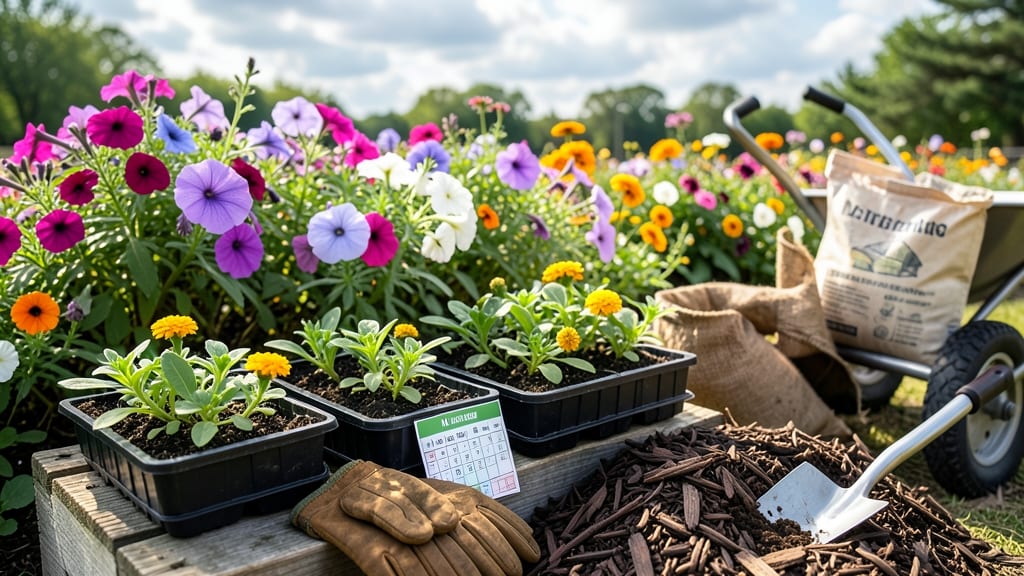
Planting your 🌸 flowers at the right time in New Jersey can make all the difference between a garden that bursts with color and one that struggles to take root.
With USDA zones 6a-7b bringing unpredictable spring weather, knowing when to plant—whether in early March or late September—is the key to success.
Most gardeners assume spring is the only planting window, but fall often offers cooler soil and fewer pests for your flowers to thrive. I’ll break down the exact timing for annuals, perennials, and bulbs, so you can avoid common mistakes like planting too early when frost is still lurking.
Whether you’re a first-time gardener or a seasoned pro, these NJ-specific deadlines will help you maximize blooms from spring through fall. Let’s dive into the best planting schedule for your hardiness zone and the flowers you love most.
From mulching tips to adjusting for microclimates, you’ll learn how to give your garden the best possible start—no guesswork required. Ready to transform your outdoor space? Let’s get planting!
Spring planting deadlines in NJ by hardiness zones 6b-7a
New Jersey’s hardiness zones 6b and 7a create a unique challenge for gardeners—Zone 6b (northern NJ) gets last frosts around April 15, while Zone 7a (southern NJ) can push last frosts to April 30.
Missing these deadlines risks frost damage to tender plants like impatiens or marigolds, while hardy perennials like coneflowers can handle cooler soils. Understanding these microclimates ensures your garden thrives year-round.
For cool-season annuals (e.g., pansies, snapdragons), start planting 4-6 weeks before your last frost date—typically mid-March for Zone 6b and late March for Zone 7a. These flowers tolerate light frosts and even bloom in cooler weather.
Meanwhile, warm-season favorites like petunias and geraniums must wait until 2 weeks after the last frost, usually May 1-15 depending on your zone.
Perennials like black-eyed Susans and bee balm can go in the ground as early as March in Zone 6b, but Zone 7a’s warmer soils allow for earlier planting in February if you’re using a cold frame or row cover.
Bulbs like tulips and daffodils should be planted in fall (October-November), but spring-planted bulbs (like caladiums) can go in after May 1 once soil warms.
Here’s a quick reference for critical planting windows across NJ’s zones, including heat-tolerant varieties perfect for Zone 7a’s hotter summers:
| Plant Type | Zone 6b Deadline | Zone 7a Deadline | Heat Tolerance | Notes |
|---|---|---|---|---|
| Cool-Season Annuals (Pansies, Snapdragons) | March 15–April 1 | March 1–March 15 | Moderate | Tolerates light frost; replant after May 15 for fall color. |
| Warm-Season Annuals (Petunias, Impatiens) | May 15–June 1 | April 30–May 15 | High (Zone 7a) | Use heat-tolerant varieties like Supertunia or Impatiens ‘SunPatiens’. |
| Hardy Perennials (Coneflowers, Black-Eyed Susans) | March 1–April 15 | February 15–March 15 | Very High | Plant early for established roots before summer heat. |
| Spring-Blooming Bulbs (Tulips, Daffodils) | Fall Planting (Oct–Nov) | Fall Planting (Oct–Nov) | Moderate | Spring-planted bulbs (e.g., caladiums) go in after May 1. |
| Heat-Loving Perennials (Salvia, Lantana) | May 1–June 1 | April 15–May 1 | Very High | Ideal for Zone 7a’s hot summers; mulch heavily. |
If you’re in Zone 7a, take advantage of the earlier last frost by planting heat-loving annuals like
Fall planting strategy for NJ gardens: extend blooms into winter
New Jersey gardeners know that spring planting gets all the attention, but fall planting often delivers better results for many flowers.
With cooler temperatures and moist soil, plants establish roots before winter dormancy—giving you a head start on spring blooms. Pansies, snapdragons, and chrysanthemums thrive when planted in September or October, often outlasting their spring-planted counterparts by weeks.
Fall planting also avoids spring’s unpredictable frost dates and crowded nursery shelves. While spring planting is ideal for warm-season flowers like marigolds, fall gives cool-season varieties the perfect window to grow strong before winter.
The key? Timing—plant too early, and roots may grow too fast; too late, and they won’t establish before frost.
⚠️ PROS & CONS OF FALL PLANTING IN NJ
- ✅ Stronger root growth before winter
- ✅ Longer bloom season (spring + fall)
- ✅ Avoids spring crowding at nurseries
- ✅ Cooler soil temps reduce transplant shock
- ❌ Limited variety (mostly cool-season flowers)
- ❌ Risk of early frost if planted too late
- ❌ Soil prep required (amend before planting)
- ❌ Less time for spring blooms if planted too early
For best results, focus on cool-season annuals like pansies and snapdragons, which can handle light frosts and even bloom in winter with protection. Perennials like chrysanthemums and asters also benefit, often reblooming the following spring.
Start by testing soil moisture—if it’s still warm and dry in late October, delay planting until early November.
Don’t skip soil preparation. Work in 2-3 inches of compost or aged manure before planting to improve drainage and fertility. Mulch heavily (3-4 inches) with straw or shredded leaves to insulate roots and retain moisture.
Avoid synthetic mulches, which can trap too much heat. Water deeply after planting, then monitor soil moisture—fall rains can make overwatering a common mistake.
Common mistakes to avoid include planting too early (roots may grow too fast before dormancy) or too late (plants won’t establish before frost). Also, skip high-nitrogen fertilizers in fall—they encourage leafy growth at the expense of root development.
Instead, use a balanced fertilizer (like 10-10-10) at half strength when you plant.
With the right fall planting strategy, your NJ garden can burst into color earlier and last longer. Start with pansies in September, add chrysanthemums in October, and protect tender varieties with row covers when frost threatens. Your spring garden will thank you! 🌷