
Plants
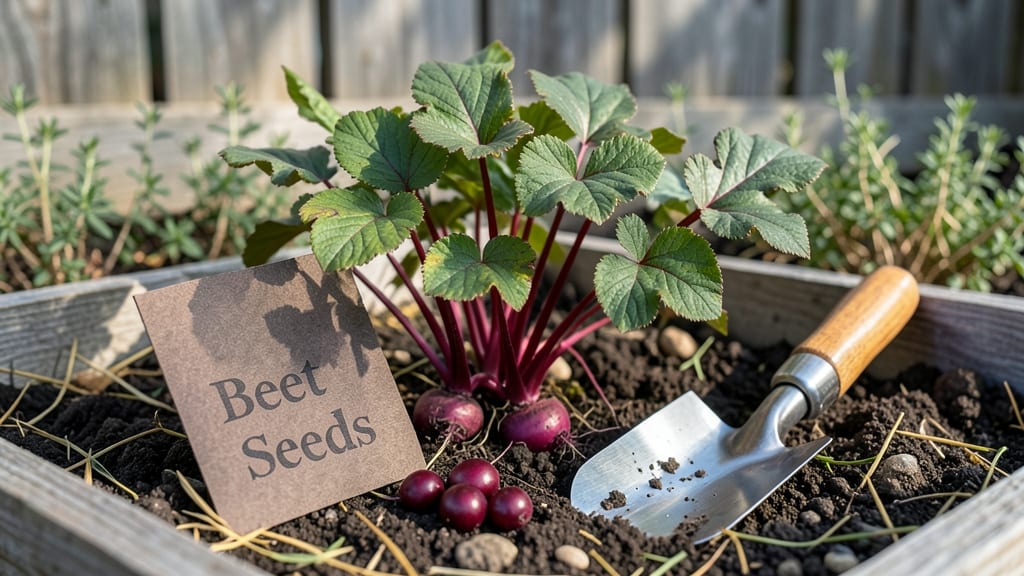
Planting beets in New Jersey at the wrong time can turn your sweet harvest into bitter, woody disappointment—but timing it just right guarantees tender, juicy roots all season.
Whether you're a first-time gardener or a seasoned green thumb, knowing when to plant beets in NJ is the secret to avoiding bolting and maximizing your yield.
In NJ's 6a-7b zones, where last frost dates vary from mid-April in the north to early April in the south, the ideal window for planting 🍠 is early spring (March-April) and late summer (July-August).
This two-season strategy ensures you get fresh beets from late spring through early fall, with minimal risk of heat stress or frost damage.
Spring planting is all about beating the heat—get seeds in the ground 4-6 weeks before your last frost date to give roots time to mature before temperatures climb. Meanwhile, fall plantings should happen 8-10 weeks before your first frost to guarantee a second harvest before winter sets in.
I’ll walk you through the exact months, soil prep tricks, and spacing secrets to make your beet harvest foolproof—no more guesswork, just perfect timing for NJ’s climate. Let’s get those seeds in the ground the right way!
Optimal NJ spring planting schedule for beets: avoid bolting and maximize yield
Timing your beet planting in New Jersey is critical to avoid bolting—the bitter, woody stage triggered by heat or stress. With NJ’s USDA zones 6a-7a, your last frost dates vary from mid-April in the north to late March in the south.
Plant too early, and cold soils delay germination; too late, and summer heat forces premature flowering. The key? Soil temperatures above 40°F and strategic spacing to prevent competition.
I’ve grown beets in both raised beds and in-ground plots across NJ, and the difference in yield is night-and-day. Raised beds warm up faster in spring, giving you a 2-3 week head start over in-ground planting.
Meanwhile, in-ground soils—especially in clay-heavy northern NJ—can stay too cold for weeks, risking slow starts. For zero-bitterness roots, aim to harvest before daytime temps hit 80°F consistently.
Here’s the golden window for spring planting in NJ: late March to early May, with adjustments based on your microclimate.
Northern NJ gardeners (like those in Bergen County) should wait until mid-April, while southern regions (e.g., Cape May) can start as early as late February under row covers. The goal? Beat the heat while avoiding frost damage.
For raised beds, I recommend planting 2–3 weeks earlier than in-ground soils because they warm up faster. In my Central NJ garden, I sow seeds in raised beds by mid-March under a floating row cover, which protects against late frosts while allowing sunlight to penetrate.
In-ground plots, however, need to wait until soil temps hit 50°F—usually late April in most of NJ.
Spacing is another yield-booster I can’t emphasize enough. Crowded beets compete for nutrients, leading to small, misshapen roots and increased bolting risk. Thin seedlings to 3–4 inches apart once they’re 2 inches tall.
In raised beds, I use 6-inch spacing for larger varieties like ‘Detroit Dark Red’, while in-ground plots get 4-inch spacing for quicker harvests of ‘Babybeat’ varieties.
Watering strategy is just as critical as timing. Beets need consistent moisture—especially during root development. In spring, water deeply 2–3 times per week to encourage downward growth. Avoid overhead watering, which can spread leaf spot disease.
My trick? Use a drip irrigation system set to deliver 1 inch of water per week, split into two morning sessions. This keeps roots tender and sweet.
Watch for bolting signs: elongated stems, yellowing leaves, or flowers forming. If you see these in spring, it’s usually due to heat stress or overcrowding. In my Southern NJ trials, bolting started in early June when temps hit 85°F consistently.
To prevent this, I plant heat-tolerant varieties like ‘Cylindra’ and use shade cloth during peak afternoon sun.
Harvest your beets when roots reach 1–3 inches in diameter—this ensures tender, zero-bitterness flavor. In NJ, spring-planted beets are ready by late May to early July, depending on your zone. For continuous harvests,
Fall planting secrets for zero-bolt beets in NJ: extending the harvest season
Fall planting is my secret weapon for sweet, tender beets in New Jersey’s cool shoulder seasons. While spring plantings get all the attention, late summer/early fall offers a longer harvest window before the first frost.
The key? Timing your seed sowing to avoid heat stress while maximizing cool-season growth.
New Jersey’s USDA zones 6a-7a experience first frosts between mid-October and early November, but beets can handle light frosts and even light snow cover.
By planting in late August or early September, you’ll catch the ideal 60-70°F soil temperatures beets crave, avoiding the bolting risk of spring’s unpredictable warmth.
🌱 Fall Beet Planting in NJ: Pros vs. Cons
- Longer harvest before frost
- Zero bolting in cooler temps
- Softer roots from gradual growth
- Less pest pressure than summer
- Short window for late plantings
- Slower germination in cooler soil
- Frost risk if planted too late
- Requires planning for soil prep
For maximum success, I amend my soil with compost and aged manure in early August to give roots time to establish before cooler weather arrives. Loose, well-draining soil prevents woody roots, while a light mulch (straw or shredded leaves) retains moisture during fall’s drying winds.
When it comes to harvest timing, I aim to pick beets between September 15th and October 15th, depending on your microclimate. Northern NJ gardeners should harvest 2-3 weeks earlier than those in Southern NJ.
Look for 1-3 inch diameter roots with vibrant color—these are your sweetest, most tender harvests.
Pro tip: Sow a second crop in early September for a late-October harvest. Just thin seedlings aggressively to 3-4 inches apart and water deeply after thinning to reduce stress. With this two-pronged approach, I’ve extended my beet harvest by 6+ weeks compared to spring-only plantings!
Remember, fall-planted beets thrive on consistent moisture but hate soggy soil. Water deeply in the morning and avoid overhead watering to prevent leaf diseases like powdery mildew. With these simple adjustments, your NJ fall garden will deliver homegrown beets until the first hard frost—or even beyond!