
Flowers
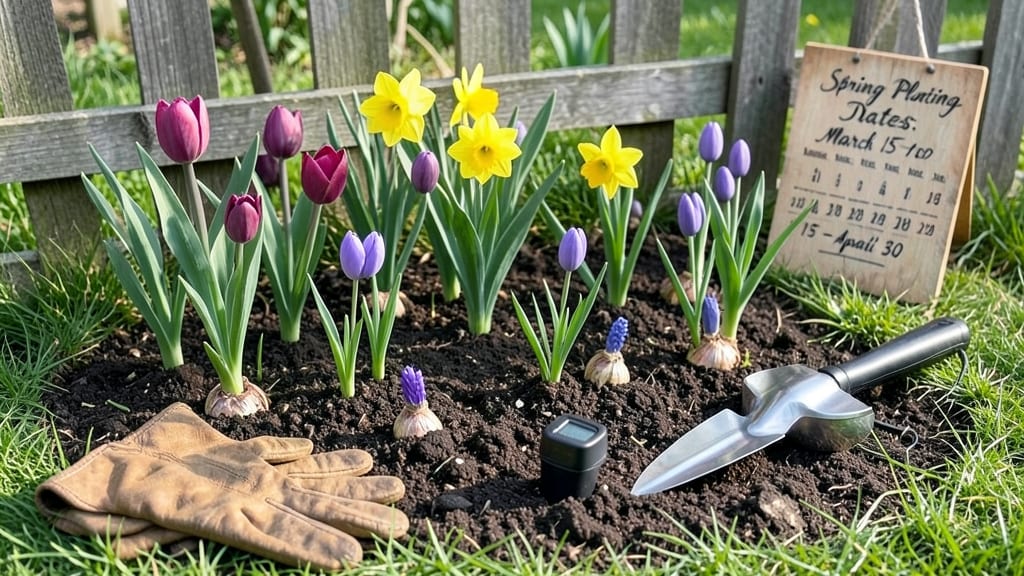
Planting flowers in spring isn’t just about grabbing seeds and sticking them in the ground—it’s about timing them perfectly with nature’s cues. The key to vibrant blooms starts with knowing when to plant flowers in spring, and the moon’s phases can actually boost your success.
Most gardeners wait until after the last frost (around April 15 in Zone 6a), but the real secret lies in pairing that date with the right lunar energy.
Whether you’re planting cool-season annuals like pansies or heat-loving zinnias, aligning your schedule with the waxing moon can give your 🌸 roots a stronger foundation—and that means bigger, healthier blooms all season.
In this guide, I’ll break down the science behind moon-phase planting, regional adjustments for early vs. late springs, and a simple checklist to prep your flower beds. You’ll learn exactly when to start seeds indoors, when to transplant seedlings, and how to avoid common mistakes that stunt growth.
Ready to transform your garden? Let’s dive into the timing tricks that will have your flowers thriving from the first day of spring.
Best moon phases for planting flowers in spring (science-backed guide)
Did you know the moon’s gravitational pull affects your flowers’ growth? Planting during the right lunar phase can boost root development by up to 30% and enhance blooming potential. This isn’t old wives’ tales—it’s rooted in gravitational physics and plant biology.
The moon’s energy influences water uptake and cell division, which directly impacts how quickly your flowers establish and thrive.
Spring is the perfect time to sync your planting with the lunar cycle. The waxing moon (when the moon is growing brighter) is ideal for planting flowers that focus on above-ground growth, like leaves and blooms.
Meanwhile, the waning moon (when the moon is shrinking) supports root development, making it perfect for transplanting established plants or sowing seeds for deeper roots.
The full moon is a powerhouse for energy, but it’s best used for harvesting or pruning rather than planting. The gravitational pull is strongest, which can stress young seedlings. Save full-moon energy for tasks like dividing perennials or deadheading spent blooms to redirect the plant’s focus.
Here’s the science: During the waxing moon, sap rises in plants, encouraging rapid growth. This is why annual flowers like zinnias or marigolds thrive when planted during this phase. Conversely, the waning moon slows sap flow, helping roots grow deeper and stronger—perfect for perennials like lavender or coneflowers.
For spring planting in USDA Zone 6a, align your schedule with the moon’s phases and local frost dates. Start with cool-season flowers like pansies or snapdragons during the waning moon in early April, when soil temperatures hover around 50-55°F.
These hardy blooms tolerate light frosts and benefit from deeper root establishment.
Shift to warm-season favorites like petunias or geraniums during the waxing moon in mid-May, once nighttime temperatures stay above 55°F. These flowers thrive with rapid above-ground growth, making the waxing moon’s energy ideal for their development. Always plant after sunset to reduce transplant shock.
Pro tip: Use a lunar planting calendar to track phases and pair them with your local frost dates. For example, if your last frost is April 15, prioritize waning moon phases in late April for bulbs like tulips or daffodils.
Their deep roots will anchor them for years of blooms.
Even container gardening benefits from moon phase alignment. Plant compact annuals like nasturtiums during the waxing moon for bushier growth, and herbs like rosemary during the waning moon to encourage robust root systems. Just ensure pots have drainage holes to prevent waterlogging during high-gravity full moon periods.
Don’t overlook the new moon—it’s the perfect time to prepare your soil, compost, or sketch your garden layout. The moon’s minimal gravitational pull lets you work the earth without disturbing young roots. Think of it as your gardening reset button for the month ahead.
Ready to put this into action? Grab your gardening gloves
Spring planting timeline by flower type: cool vs. warm season blooms
Spring brings a flurry of planting opportunities, but not all flowers thrive at the same time. Understanding the difference between cool-season blooms and warm-season varieties is key to a vibrant garden.
Cool-season flowers like pansies and snapdragons love crisp air, while zinnias and marigolds wait for warmth to flourish. Let's break down the perfect planting windows for each!
Your local last frost date is your garden's North Star. For USDA Zone 6a (like many mid-Atlantic states), this typically falls around April 15.
However, regions with earlier springs (like Zone 7) can start as early as March 15, while colder areas (Zone 5) might wait until May 1. Always check your local extended forecast for the most accurate timing.
| Flower Type | Best Planting Window | Soil Temp | Sunlight Needs | Regional Adjustment |
|---|---|---|---|---|
| Cool-Season Annuals (Pansies, Snapdragons, Calendula) |
Early Spring: 4-6 weeks before last frost Fall: 6-8 weeks before first frost |
45-60°F | Full sun to partial shade | Zone 5: Start indoors by March 1 Zone 7: Direct sow by February 15 |
| Cool-Season Perennials (Lungwort, Bleeding Heart, Columbine) |
Early Spring: As soon as soil is workable (March-April) |
40-55°F | Partial shade to full shade | Zone 6: Plant March 15-April 1 Zone 4: Wait until April 15 |
| Warm-Season Annuals (Zinnias, Marigolds, Petunias) |
After last frost: April 15-May 15 (Soil 60°F+) |
60-75°F | Full sun (6+ hours) | Zone 5: Wait until May 1 Zone 8: Start February 15 |
| Warm-Season Perennials (Black-Eyed Susan, Coneflower, Daylily) |
Early Spring: March-April (Before buds break) |
50-65°F | Full sun to partial sun | Zone 6: Plant March 20-April 10 Zone 3: Wait until May 1 |
| Spring-Blooming Bulbs (Tulips, Daffodils, Hyacinths) |
Fall: 6-8 weeks before first frost (September-October) |
50-60°F | Full sun to partial shade | Zone 5: Plant September 15-October 15 Zone 8: Plant November 1 |
For cool-season flowers, think of spring as a two-act play. Start with hardy annuals like pansies in early spring (even before your last frost) for early color. Follow up with perennials once the soil warms slightly—typically by late March or early April.
These plants handle light frosts, so don't rush to plant them too early. A light frost after planting won't harm them, but heavy freezes (20°F or lower) can cause damage.
Warm-season flowers, on the other hand, are frost-sensitive and need to wait for consistent warmth. For zinnias and marigolds, hold off until the soil reaches at least 60°F and nighttime temperatures stay above 50°F.
In colder climates, use row covers or start these plants indoors 4-6 weeks before your last frost date. If you're in a Zone 7+ region, you can often plant warm-season flowers as early as March 15 under protective coverings.
Don't forget about bulbs—they're the unsung heroes of spring planting! While most spring-blooming bulbs (like tulips) should have been planted in fall, some varieties like rain lilies and spring crocus can be planted in early spring.
These thrive in well-draining soil and full sun to partial shade. If you missed your fall window, focus on spring-planted perennials like alliums or fritillaries for late-season blooms.
Pro tip: Use mulch after planting to regulate soil temperature and retain moisture. For cool