
Flowers
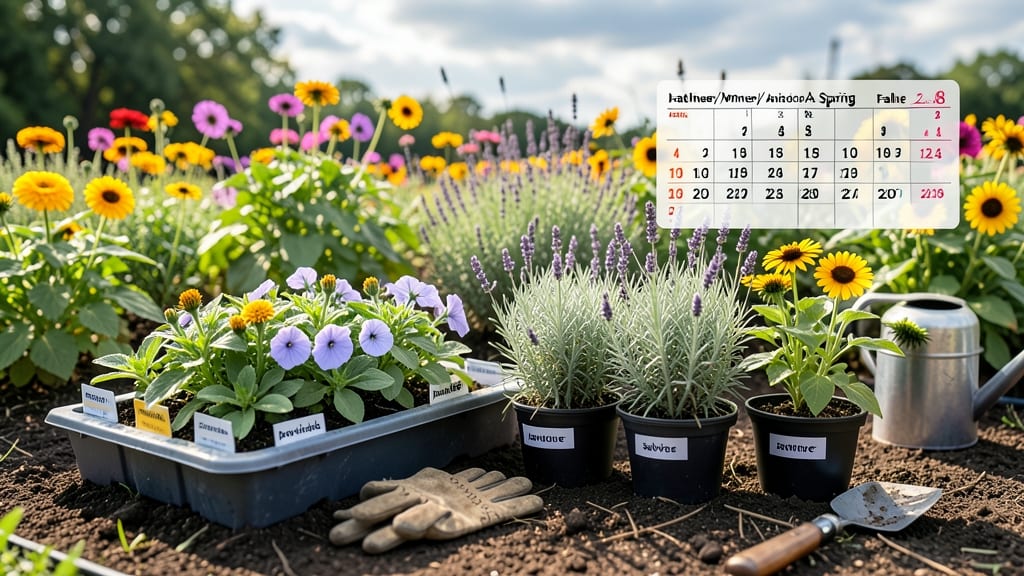
Planting your 🌸 flowers at the wrong time in Zone 8 can mean the difference between a lush garden and a sad, frost-nipped disappointment. The key to success? Timing it perfectly—whether you're sowing seeds in spring or prepping bulbs for fall blooms.
Zone 8's mild winters and hot summers create unique opportunities, but even here, frost dates and seasonal shifts matter. I’ve learned the hard way that planting too early or too late can leave your flowers struggling—or worse, never making it past the first freeze.
The good news? With the right schedule, you can enjoy vibrant blooms from early spring through late fall.
In this guide, I’ll break down the best months to plant flowers in Zone 8, from heat-loving annuals to cold-hardy perennials. You’ll discover exactly when to start seeds, transplant seedlings, and even overwinter bulbs for a showstopping garden year after year.
Ready to turn your garden into a nonstop floral masterpiece? Let’s dive into the perfect planting windows—so you can skip the guesswork and start blooming with confidence.
Zone 8 flower planting calendar: exact months for annuals, perennials, and bulbs
Zone 8 gardeners enjoy a longer growing season than many regions, but timing still matters. The average last frost date is around January 15, while the first frost typically arrives December 15.
This means you can plant annuals, perennials, and bulbs in both fall and spring for continuous color. Let’s break down the best months for each type to maximize your garden’s potential.
For annuals, focus on planting after the last frost in late February to March.
However, some heat-loving varieties like zinnias and cosmos can handle direct sowing in April or May once soil temperatures warm. Perennials are more flexible—they thrive when planted in early spring or fall, giving roots time to establish before extreme heat or cold. Bulbs like tulips and daffodils need a 6-8 week head start before frost, so plant them in October.
If you’re planting annuals in late winter, opt for cool-season varieties like pansies or snapdragons. These thrive in 50–60°F soil and can handle light frosts. For spring planting, wait until soil temperatures rise above 60°F to avoid stunted growth.
Use a soil thermometer to check—most tropical annuals like marigolds won’t germinate in cold soil.
For perennials, early spring planting (February–March) gives them a head start, but fall planting (September–October) is ideal for varieties like lavender or coneflowers.
The cooler temps reduce stress, and roots establish before summer heat. Divide perennials in early spring or fall to rejuvenate clumps—just avoid disturbing them during active blooming.
Don’t overlook fall planting for bulbs! While spring-blooming bulbs like tulips need chill hours, many tender bulbs (e.g., dahlias, caladiums) thrive when planted in late summer (August).
These varieties love warm soil and will bloom through fall and winter in Zone 8. Mulch heavily after planting to protect them from unexpected cold snaps.
Pro tip: Use row covers or cloches to extend your planting window. These protect tender seedlings from late frosts in March or November. For container gardening, move pots indoors or to a sheltered spot during extreme temperature swings.
This flexibility lets you enjoy flowers year-round, even in Zone 8’s mild but variable climate.
Finally, always amend your soil before planting. Zone 8 soils can be sandy or clay-heavy, so mix in compost or aged manure to improve drainage and fertility. A pH test ensures your flowers get the nutrients they need—most thrive in 6.0–7.0 pH.
With the right timing and soil prep, your Zone 8 garden will burst with color from spring to frost.
Ready to start? Grab your gardening gloves and mark your calendar—your Zone 8 flower garden is about to shine! 🌸
Best flowers to plant in Zone 8 by season: heat-tolerant vs. cool-season varieties
Zone 8’s climate offers a unique advantage: long growing seasons with mild winters and hot summers. But not all flowers thrive in these extremes. Heat-tolerant varieties like zinnias and salvias dominate summer, while cool-season stars like pansies and snapdragons shine in spring and fall.
Choosing the right flowers for each season ensures continuous color and minimal stress on your plants.
I’ve tested these varieties in my own Zone 8 garden and found that timing matters. Planting heat-lovers too early risks leggy growth, while cool-season flowers planted too late may bolt in summer heat.
The key is matching bloom seasons to your local climate patterns. For example, marigolds and cosmos thrive when soil temps hit 60°F+, while calendulas and stocks prefer cooler 50-65°F ranges.
Here’s a quick guide to help you decide: summer’s fiery bloomers vs. spring/fall’s delicate favorites. I’ll also share my pro tips for extending bloom times in extreme heat or cold snaps—because even Zone 8 can get unpredictable!
🌡️ Heat-Tolerant Flowers (Summer) vs. Cool-Season Flowers (Spring/Fall)
- ✅ Zinnias: 60-90°F, drought-resistant
- ✅ Salvias: Thrives in heat, attracts hummingbirds
- ✅ Lantana: Drought-proof, continuous blooms
- ✅ Portulaca: Succulent-like, no extra water
🔥 Best planted after last frost (typically March-April in Zone 8).
- ✅ Pansies: 40-65°F, frost-hardy
- ✅ Snapdragons: 50-70°F, long stems
- ✅ Sweet Alyssum: Cold-resistant, honey-scented
- ✅ Calendula: Edible petals, self-seeds
❄️ Plant in early spring (February-March) or fall (August-September) for winter color.
For summer’s scorching months, I swear by zinnias and salvias—they’re my go-to heat-proof bloomers. Zinnias, in particular, rebloom nonstop if you deadhead regularly and keep them well-watered (but not soggy).
I’ve even seen them survive 100°F+ with just weekly deep watering. Pair them with lantana for a low-maintenance, pollinator-friendly combo that thrives in full sun.
When fall’s cooler temps arrive, I transition to cool-season stars like pansies and snapdragons. These frost-tolerant beauties add color to winter gardens and often rebloom in spring if protected. My trick?
Plant them in containers near a sunny wall—this traps heat during the day and extends their season by 2-3 weeks into winter. Plus, containers let you move them to shade if a cold snap hits.
Don’t overlook succulent-like flowers like portulaca and sedum. These drought-loving plants are perfect for Zone 8’s dry spells and rock gardens. I’ve grown portulaca in cracked clay pots with zero extra water—it still bloomed like crazy!
For extended summer color, try cosmos and marigolds. Both are self-seeding and disease-resistant, making them low-effort choices.
To bridge the gap between seasons, I stratify my planting. For example, I sow snapdragons in late summer (August) for fall blooms, then protect them with row covers if temps dip below 40°F.
Similarly, I plant zinnias in early spring (March) and shade-cloth them if late frosts threaten. This layered approach ensures nonstop blooms from spring to frost.
Remember: soil prep is half the battle. Amend your beds with compost before planting to improve drainage (critical for heat-lovers) and retain moisture (essential