
Trees
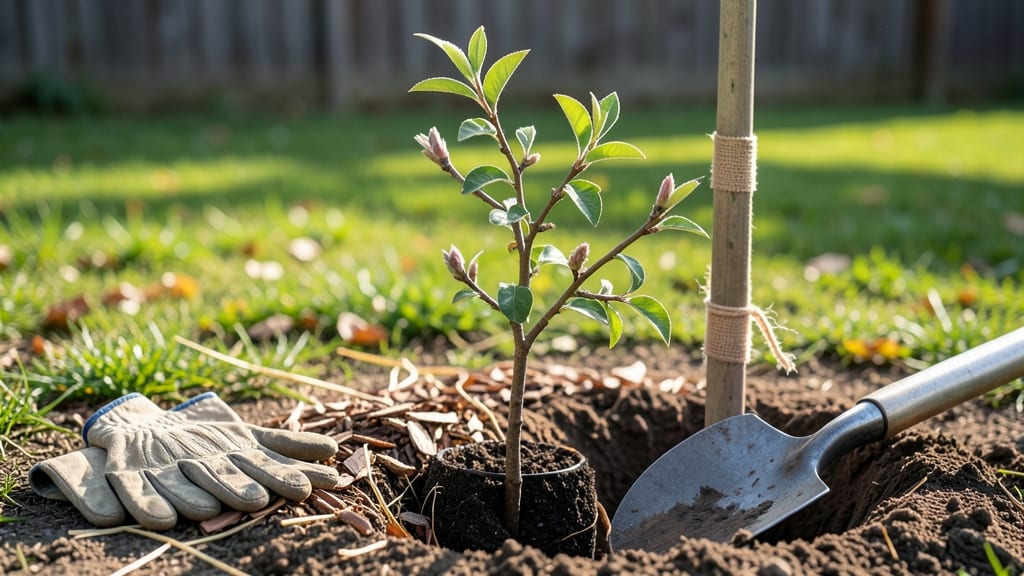
Planting fruit trees in BC at the wrong time can turn your orchard dreams into a frost-bitten disappointment—especially when coastal Vancouver’s mild winters clash with the Okanagan’s harsh freezes. The key to success isn’t just picking the right variety; it’s knowing when to dig that shovel.
BC’s diverse USDA zones mean your neighbor’s perfect planting window could be your worst mistake. Whether you’re in Zone 5b or Zone 8a, timing matters more than you think. I’ll break down the exact months to plant—plus how to read frost charts so you never guess again.
Spring planting is classic, but fall can be smarter in some regions. We’ll cover which season works best for apples, cherries, and berries, and how to prep your soil for BC’s tricky microclimates. No more second-guessing—just a foolproof guide to get your 🌱 thriving.
Ready to avoid common pitfalls? Let’s dive into the deadlines, soil secrets, and post-planting care that’ll keep your fruit trees happy year after year—no matter where in BC you’re growing.
BC’s USDA zones explained: when to plant fruit trees by region
British Columbia’s diverse climate—from the mild coastal regions to the harsh interior valleys—creates unique challenges for fruit tree planting. With USDA zones 5b to 8a, timing your planting window is critical to avoid late spring frosts or winter dieback.
Coastal areas like Vancouver (zone 8a) enjoy longer frost-free seasons, while the Okanagan (zone 6b) faces earlier frost risks. Let’s break down the ideal planting windows for each zone to maximize your tree’s success.
For coastal BC, including Vancouver Island and the Lower Mainland, the optimal planting window is late fall (October–November) or early spring (March–April). These zones benefit from warmer winters and later frosts, giving young trees time to establish roots before winter.
In contrast, interior BC, like the Thompson Valley or Kamloops, requires earlier fall planting (September–October) to ensure roots harden before sub-zero temperatures arrive.
Here’s the key difference: Coastal zones can plant up to 6 weeks later than interior zones due to milder winters. For example, a zone 8a (Vancouver) can plant apple trees in late April, while a zone 6b (Kelowna) must plant by mid-October to avoid winter stress.
Always calculate your frost-free date—typically May 15 for coastal areas and May 1 for interior regions—to time your planting perfectly.
Why timing matters: Planting too early in zone 5b–6a risks root freeze, while planting too late in zone 7b–8a delays root establishment. Use bare-root trees in fall for interior zones and container-grown trees in spring for coastal zones to adapt to local conditions.
Pro Tip: Check your local last frost date (e.g., June 1 for coastal, May 15 for interior) and plant 4–6 weeks before to ensure roots establish before summer heat. For stone fruits like peaches, wait until after the last frost to avoid blossom damage.
🌱
| USDA Zone | Region Examples | Optimal Planting Window | Last Frost Date | Key Considerations |
|---|---|---|---|---|
| 5b | Northern BC (e.g., Prince George) | Late August–early October | May 1 | Use cold-hardy varieties; plant bare-root in fall. |
| 6a | Interior Plateau (e.g., Kamloops) | September–October | May 10 | Avoid spring planting; mulch heavily for winter. |
| 6b | Okanagan Valley (e.g., Kelowna) | Late September–early November | May 15 | Ideal for apples/pears; water deeply post-planting. |
| 7a | Lower Mainland (e.g., Abbotsford) | October–November or March–April | June 1 | Spring planting works; protect from late frosts. |
| 7b | Vancouver Island (e.g., Nanaimo) | November or April–May | June 10 | Perfect for cherries; avoid waterlogged soil. |
| 8a | Vancouver (e.g., West Vancouver) | November–December or April–May | June 20 | Best for peaches/plums; use windbreaks. |
For zone 5b–6
Best fruit tree varieties for BC’s planting seasons: cold-hardy vs. heat-loving choices
British Columbia’s diverse climate—from coastal mildness to interior cold snaps—means your fruit tree choices should match your microclimate. Cold-hardy varieties like ‘Liberty’ apples thrive in Zone 5b, while heat-loving peaches need Zone 8a protection. Let’s break down the best options for your region.
For coastal BC (Vancouver, Victoria), focus on late-blooming fruit trees like ‘Gala’ apples or ‘Starkrimson’ pears. These varieties avoid spring frost damage by flowering later. In contrast, interior BC (Kelowna, Kamloops) demands early-blooming, cold-resistant types such as ‘Haralson’ plums or ‘Sentinel’ cherries.
| Variety | Best Planting Season | Cold-Hardiness (Zone) | Heat Tolerance | Notes |
|---|---|---|---|---|
| ‘Liberty’ Apple | Fall (Sept-Oct) | 5b–7a | Moderate | Resistant to fire blight |
| ‘Starkrimson’ Pear | Spring (Apr-May) | 6a–8a | High | Late bloomer, coastal favorite |
| ‘Haralson’ Plum | Fall (Sept-Oct) | 5b–7b | Moderate | Early ripening, cold-resistant |
| ‘Sentinel’ Cherry | Spring (Apr-May) | 5b–7a | Low | Dwarf variety, self-pollinating |
| ‘Elberta’ Peach | Spring (Apr-May) | 7a–8a | Very High | Needs frost protection |
If you’re in Zone 5b–6b (e.g., Prince George), prioritize early-season fruit trees like ‘Brookgold’ apples or ‘Montmorency’ cherries. These varieties handle late frosts better than late bloomers. Meanwhile, Zone 8a gardeners (e.g., Kelowna) can experiment with peaches or apricots—but protect them with frost cloths in early spring.
For berries, raspberries and blackberries are your best bet across all zones, but blueberries need acidic soil (pH 4.5–5.5). Plant everbearing varieties like ‘Heritage’ raspberries in early spring or fall for year-round harvests. Strawberries thrive in containers, making them ideal for urban gardeners in coastal zones.
Pro tip: Always check local frost dates before planting. Use BC’s AgriWeather maps to time your fall planting—aim for 6–8 weeks before frost to establish roots. For spring planting, wait until after last frost (typically May in coastal areas, April in the interior).
🌱 Whether you’re growing apples in the