
Trees
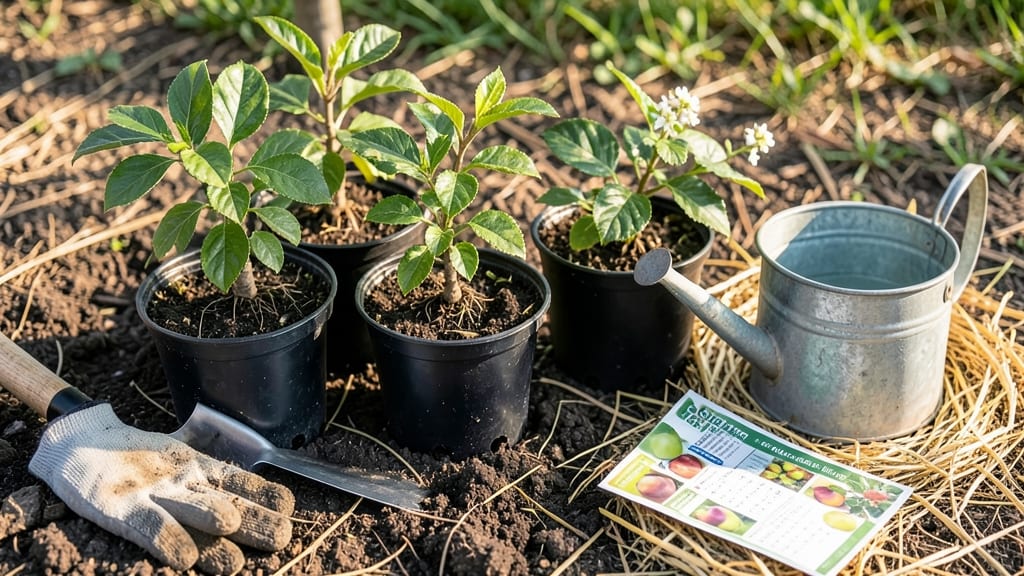
Planting your 🍎 fruit tree at the wrong time in South Africa could mean struggling with frost damage or stunted growth—especially when temperatures swing wildly between 9a-10a zones.
The key to success lies in understanding your region’s unique microclimate, whether you’re in summer-rainfall areas like KwaZulu-Natal or winter-rainfall zones like the Western Cape.
Most gardeners assume spring is the only planting window, but the truth is far more nuanced.
For example, citrus thrives when planted in winter to early spring (June-September), while stone fruits like peaches need to go in the ground before the first frost hits—usually by September 15 in most areas.
In this guide, I’ll break down the exact planting schedule by region and fruit variety, so you can avoid costly mistakes. You’ll learn how to prepare your soil, choose the right rootstock, and even adjust for local frost risks—all tailored to South Africa’s diverse growing conditions.
Whether you’re a first-time grower or a seasoned orchardist, getting the timing right means the difference between a thriving orchard and years of frustration. Let’s get your fruit trees off to the best possible start.
Best planting seasons for fruit trees by south african region
South Africa’s diverse climates—from summer-rainfall regions to winter-rainfall zones and semi-arid areas—create unique planting windows for fruit trees. Getting the timing right means avoiding frost damage in winter or heat stress in summer. Each region has its own frost-free window and soil conditions that impact when you should plant.
In summer-rainfall areas like KwaZulu-Natal and the Eastern Cape, planting during late autumn (April-May) aligns with natural rainfall patterns. Meanwhile, winter-rainfall regions such as the Western Cape and Free State require spring planting (August-September) to avoid winter dormancy.
Semi-arid areas like the Northern Cape benefit from early spring (August-September) planting to capitalize on cooler temperatures.
Soil preparation is just as critical as timing. Test your soil pH (ideal range: 5.5-7.0 for most fruit trees) and amend with compost or lime if needed. Well-draining soil is non-negotiable—fruit trees hate soggy roots. In frost-prone areas, plant on sloping land to prevent cold air pooling around the roots.
Here’s a quick reference for planting by region, including frost-free windows and soil prep tips:
In summer-rainfall regions, prioritize citrus and subtropical trees like avocado and mango. These thrive when planted before the summer rains begin, giving roots time to establish. For stone fruits (peaches, plums) in winter-rainfall zones, plant in late winter (August-September) to avoid late frost damage to blossoms.
For semi-arid areas, choose drought-tolerant varieties like pomegranate or carob. Plant in early spring to take advantage of cooler temperatures and limited evaporation. Always mulch heavily to retain moisture—these trees despise dry spells.
After planting, water deeply to encourage root growth. In frost-prone areas, cover young trees with hessian sacks during first frost warnings. Monitor soil moisture—overwatering is just as harmful as underwatering for fruit trees.
Pro tip: Use mycorrhizal fungi when planting to boost root health. These natural soil helpers improve water and nutrient uptake, especially in poor or sandy soils. Mix the fungi with rootball soil before backfilling.
Timing your planting season isn’t just about the calendar—it’s about understanding your microclimate. Check local frost dates and rainfall patterns for your specific area. For example, Durban’s frost-free window is longer than Cape Town’s, so adjust accordingly.
With the right timing and prep, your fruit trees will establish strong roots and reward you with bountiful harvests for years to come. Happy planting! 🌱🍊🌳
Optimal planting times for top fruit tree varieties in South Africa
South Africa’s diverse climate means citrus thrives in subtropical regions while stone fruits need cooler winters. I’ve planted everything from avocados to peaches, and timing makes all the difference.
The summer-rainfall eastern regions (like KwaZulu-Natal) allow year-round planting for heat-loving varieties, while winter-rainfall areas (Western Cape) demand precise frost-free windows.
For citrus like oranges and lemons, aim for spring planting (September-November) when soil warms above 15°C (59°F). These trees hate frost, so avoid winter planting in frost-prone areas.
In contrast, stone fruits like peaches and plums need dormancy periods—plant them in winter (June-August) when temperatures drop below 20°C (68°F).
| Fruit Type | Best Planting Months | Soil Temp Threshold | Frost Risk | Regional Notes |
|---|---|---|---|---|
| Citrus (Oranges, Lemons) | Sep-Nov (Spring) | 15°C+ (59°F+) | None | Avoid frost zones; ideal for KwaZulu-Natal, Mpumalanga |
| Stone Fruits (Peaches, Plums) | Jun-Aug (Winter) | Below 20°C (68°F) | High (needs chill hours) | Best for Western Cape, Free State; avoid summer heat |
| Avocados | Feb-Mar (Late Summer) | 20°C+ (68°F+) | None | Perfect for Limpopo, Eastern Cape; drought-tolerant |
| Deciduous (Pears, Apples) | Jun-Jul (Early Winter) | 10-15°C (50-59°F) | Moderate | Ideal for Highveld (1,000m+); needs cold winters |
| Subtropical (Mangoes, Litchis) | Oct-Nov (Spring) | 18°C+ (64°F+) | None | Thrive in Mpumalanga, Northern Cape; water deeply |
My avocado trees in Limpopo do best when planted in February-March, once the soil has warmed enough to prevent root rot. These trees are drought-tolerant but need consistent moisture during their first year.
For subtropical fruits like mangoes and litchis, spring planting (October-November) aligns with natural rainfall patterns in regions like Mpumalanga.
Deciduous trees like pears and apples require winter dormancy, so plant them in June-July when temperatures drop. These varieties need chill hours—at least 300-500 hours below 7°C (45°F)—which makes them perfect for the Highveld region.
I’ve seen disastrous results when growers plant them too late in frost-prone areas.
Adjust planting times by 1-2 months based on your microclimate. For example, coastal areas like Durban can plant citrus in August due to milder winters, while inland Pretoria should wait until September. Always check last frost dates—your local AgriSA extension office has regional data.
Pro tip: Use container-grown trees for flexibility—they can be planted year-round in frost-free zones. Just ensure the root ball stays moist during transplanting. For bare-root trees, winter planting (June-August) gives roots time to establish before summer heat arrives.