
Trees
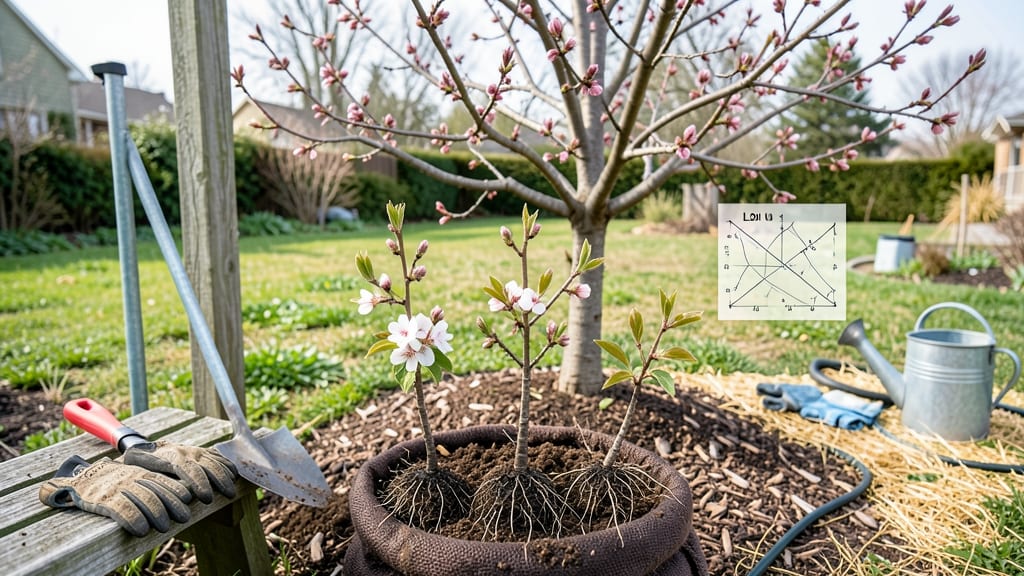
Timing is everything when it comes to planting fruit trees 🍎🍑🍒 in Colorado—get it wrong, and your young trees could face frost damage or struggle to establish roots. The key lies in understanding your hardiness zone and matching the right varieties to Colorado’s unique climate.
Most gardeners in zones 5-7 should aim for late winter to early spring, but there’s more to it than just picking a month. We’ll break down the best timeframes, accounting for last frost dates and soil temperatures that vary dramatically across the state.
Whether you’re dreaming of juicy peaches or crisp apples, choosing the right chill-hour varieties and planting at the optimal time ensures your orchard thrives. Let’s dive into the specifics so you can set your trees up for success from day one.
From soil prep to post-planting care, we’ll cover everything you need to know to avoid common pitfalls—especially in Colorado’s unpredictable weather. Ready to plant with confidence?
Best planting months for Colorado fruit trees by hardiness zone
Colorado’s diverse climate—from high-altitude valleys to desert-like plains—means planting fruit trees at the wrong time can spell disaster for your young saplings. Last frost dates vary dramatically across USDA zones 4-7, so timing your planting window correctly is essential for survival.
In my experience, late spring to early fall offers the safest bet, but the exact months depend on elevation and microclimate.
For zone 4 (northern Colorado, including Steamboat Springs and Grand Junction’s higher elevations), aim to plant between May 15 and June 15. These areas experience later frosts, often lingering until mid-May, and soil temperatures must reach 45°F for root establishment.
Meanwhile, zone 7 (southern Colorado, like Pueblo and Colorado Springs) can start as early as March 15, with a late frost deadline of April 15.
Here’s the breakdown you need to avoid common pitfalls like frost damage or drought stress:
| USDA Zone | Ideal Planting Window | Last Frost Date | Soil Temp Threshold | Best Varieties |
|---|---|---|---|---|
| Zone 4 | May 15–June 15 | Mid-May | 45°F+ | Low-chill apples, pears (e.g., Harvest Queen) |
| Zone 5 | April 15–May 15 | Early May | 40°F+ | Peaches, cherries (e.g., Relenta peach) |
| Zone 6 | March 30–April 30 | Late April | 35°F+ | Apples, plums (e.g., Honeycrisp) |
| Zone 7 | March 15–April 15 | Mid-April | 30°F+ | Pears, figs (e.g., Bartlett) |
Peaches, for example, are highly sensitive to late frosts and should never be planted before soil temperatures hit 50°F. In zone 5, this often means waiting until late April, even if your nursery offers bare-root trees in March.
I’ve seen peach blossoms wiped out by a 28°F snap in May—heartbreaking after months of care!
Fall planting is also viable in zones 6-7, with a September 15 deadline to allow roots to establish before winter. Cherries and apples benefit from this timing, as cooler fall temperatures reduce transplant shock.
Just ensure your tree is planted 6-8 weeks before ground freezes, typically by October 1 in these zones.
For dwarf varieties (like columnar apples or patio peaches), you can push the envelope slightly—planting as late as June 1 in zone 5—but expect slower initial growth. These trees are hardier but still need consistent moisture during their first critical year.
I’ve had success with drip irrigation set on a timer for 30 minutes daily in dry spells.
One pro tip I swear by: test your soil temperature with a soil thermometer before planting. Root growth stalls below 40°F, and even if your calendar says it’s spring, cold soil can delay establishment by weeks.
In zone 4, I’ve waited until June 1 just to ensure roots had a fighting chance.
Finally, wind exposure is a Colorado wild card. Areas like Grand Junction (zone 5) experience chilly night winds that can dry out young trees. If your planting site is exposed, consider a windbreak of evergreens or a burlap barrier for the first year.
I’ve lost more trees to desiccation than frost—soil moisture matters just
Chill-hour requirements for top fruit tree varieties in Colorado
Colorado’s diverse climate means not all fruit trees thrive equally. Chill hours—the number of hours below 45°F a tree needs to set fruit—are critical. Low-chill varieties (300-500 hours) work in southern Colorado, while high-chill types (900+ hours) suit northern regions.
Choosing the wrong match can lead to poor fruiting or no harvest at all.
Peaches and pears often do well in Colorado’s lower-elevation zones (5-6), while apples and cherries require more chill hours for consistent yields. For example, a 900-chill peach planted in Denver (500-600 chill hours) may produce sparse fruit. Always check your USDA zone and average winter temperatures before selecting varieties.
| Fruit Type | Chill-Hour Range | Best Colorado Zones | Low-Chill Varieties | High-Chill Varieties |
|---|---|---|---|---|
| Peaches | 300–900 hours | 5–7 (lower elevations) | Redhaven, Elberta | Relenta, Contender |
| Apples | 500–1,000 hours | 4–6 (higher elevations) | Fuji, Gala | Granny Smith, Honeycrisp |
| Cherries | 500–1,200 hours | 5–7 (protected areas) | Stella, Lapins | Montmorency, Bing |
| Pears | 300–700 hours | 6–7 (warmer microclimates) | Bartlett, Anjou | Seckel, Moonglow |
In southern Colorado (zones 6-7), low-chill varieties like Redhaven peaches or Bartlett pears thrive with minimal winter chill. Meanwhile, northern Colorado (zones 4-5) benefits from high-chill apples like Honeycrisp, which need 800+ chill hours to produce reliably. Always verify chill-hour data from local nurseries or extension offices.
Microclimates play a huge role. A south-facing slope in Colorado Springs can add 100+ extra chill hours compared to a valley floor. If you’re unsure, opt for dwarf or semi-dwarf varieties, which adapt better to marginal chill conditions and are easier to protect from late frosts.
For urban gardeners, consider container-grown fruit trees like columnar apples or patio peaches, which often have lower chill requirements. These work well on balconies or small yards, provided they get full sun and consistent watering during Colorado’s dry spells.
Always monitor your tree’s flowering patterns after planting. If blooms appear but drop without fruiting, your variety may need more chill hours. In that case, consider replacing it with a better-matched type or using artificial chill treatments (like winterizing with frost cloth) to supplement natural chill.