
Planting
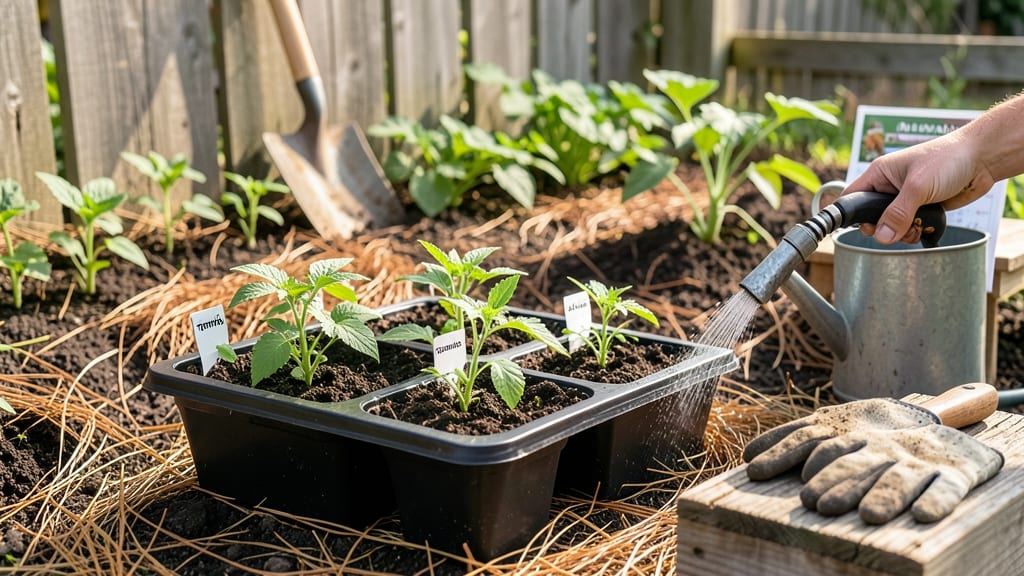
Knowing when to plant a garden in Arkansas means the difference between a bumper crop and a sad, wilted 🌱 disappointment—and with the state’s shifting frost dates and humid summers, getting it wrong can cost you the whole season.
I’ve spent years watching Arkansas gardens thrive (and fail) based on when seeds hit the soil, and the most common mistake isn’t overwatering or poor soil—it’s planting at the wrong time.
Whether you’re in the cooler Ozarks or the hotter Delta, knowing your last frost date and adjusting for Arkansas’s quirky microclimates is the key to success.
In this guide, I’ll break down the exact planting windows for spring and fall, including which veggies and flowers perform best in Arkansas’s heat and humidity. You’ll learn how to avoid frost damage, extend your growing season, and even troubleshoot Arkansas-specific pests like squash bugs.
Ready to stop guessing and start growing? Let’s dive into the perfect planting schedule for your Arkansas garden—no more wasted seeds or missed harvests.
Arkansas planting zones & critical deadlines by season (spring vs fall)
Arkansas spans USDA Hardiness Zones 6-8, creating a diverse gardening landscape where last frost dates can vary by 2-3 weeks between northern and southern regions.
In Zone 7a (covering most of the state), the average last frost falls between March 15-30, while the first frost typically arrives November 15-30. Northern areas like Bentonville (Zone 7b) often experience frost 1-2 weeks earlier, while Little Rock (Zone 7b-8a) enjoys longer growing seasons.
Understanding these seasonal deadlines is critical for Arkansas gardeners. Planting cool-season crops like lettuce or peas too late risks bolting, while warm-season plants like tomatoes or peppers planted too early will wilt from soil-borne diseases in cold, wet conditions.
The key is aligning your planting schedule with soil temperatures (aim for 60°F+ for warm-season crops) and moisture levels—Arkansas’s humid summers demand consistent irrigation to prevent stress.
Here’s a seasonal planting breakdown tailored to Arkansas’s climate, with adjustments for northern vs. southern regions:
| Season | Plant Type | Ideal Planting Window | Northern AR (Bentonville) | Southern AR (Little Rock) | Critical Notes |
|---|---|---|---|---|---|
| Spring | Cool-Season Veggies | Feb 15 - Mar 31 | Feb 20 - Apr 15 | Feb 1 - Apr 1 | Use row covers for late frosts |
| Spring | Warm-Season Veggies | Apr 15 - May 15 | Apr 20 - May 10 | Mar 20 - Apr 20 | Wait for soil to warm to 60°F+ |
| Fall | Cool-Season Veggies | Jul 15 - Aug 31 | Jul 20 - Aug 15 | Jul 1 - Sep 1 | Prioritize fast-maturing varieties |
| Fall | Perennials/Herbs | Sep 15 - Oct 15 | Sep 10 - Oct 1 | Sep 1 - Oct 15 | Avoid planting after first frost |
| Year-Round | Strawberries | Mar 1 - Apr 15 | Mar 10 - Apr 10 | Feb 15 - Mar 30 | Mulch heavily in winter |
For spring planting, I recommend starting cool-season crops like spinach, kale, and broccoli in late February under row covers to protect from late frosts. In northern Arkansas, wait until after April 15 to plant warm-season crops like tomatoes or peppers, as soil temperatures below 60°F stunt growth.
Southern Arkansas gardeners can push these dates 2-3 weeks earlier,
Best vegetables & herbs to plant in Arkansas spring vs fall (with success tips)
Arkansas’s humid climate and long growing season make it perfect for both spring and fall gardening, but timing is everything. Cool-season crops thrive in spring and fall, while warm-season veggies need summer’s heat. I’ve tested these top performers in my Arkansas garden—here’s what works best for each season.
For spring planting, focus on cool-hardy crops that tolerate late frosts. In fall, extend your harvest by choosing varieties that mature before winter chill sets in. The key? Avoiding fungal diseases in Arkansas’s humidity by spacing plants properly and watering at the base.
- 1 Spring Stars: Plant lettuce, peas, and broccoli in March-April after last frost. Use row covers for early starts.
- 2 Fall Favorites: Sow carrots, kale, and spinach in August-September for harvests before first frost (usually November in Zone 7a).
- 3 Herb Heroes: Cilantro and parsley thrive in spring and fall. Basil needs summer heat—plant after May 15 to avoid frost.
- 4 Season Extenders: Use cold frames for leafy greens in winter or shade cloth to protect tomatoes from summer scorching.
- 5 Humidity Hack: Space cucumbers and squash 3 feet apart to prevent powdery mildew. Water at soil level, not leaves.
My biggest mistake? Planting tomatoes too early in spring. They need soil temps above 60°F—wait until after May 1 in most of Arkansas. For fall crops, start seeds indoors in July to beat the rush before frost.
Pro tip: Test your soil pH—Arkansas clay often needs lime for broccoli and cabbage. Aim for 6.0-7.0 for most veggies. Mulch with straw to retain moisture and suppress weeds in our humid summers.
Don’t forget succession planting! Sow bush beans every 2 weeks in spring for continuous harvests. In fall, plant radishes (ready in 30 days) to mark rows for slower-growing carrots.
With these seasonal strategies, you’ll avoid common pitfalls like bolting lettuce or blossom-end rot in tomatoes. Happy planting—your Arkansas garden will thank you! 🌱