
Plants
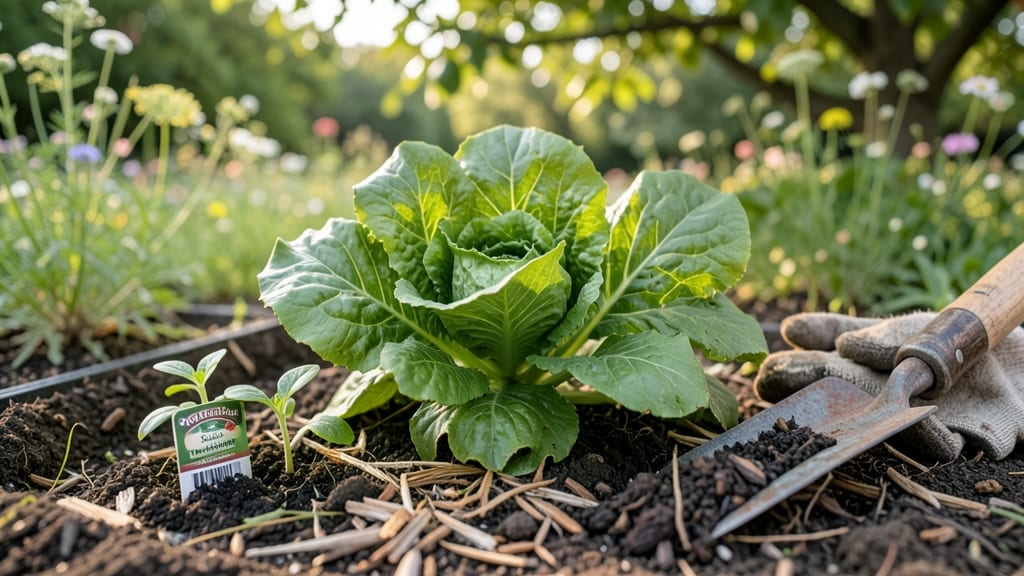
Planting lettuce in Georgia at the wrong time means watching your crisp 🥬 turn bitter and bolt before you can even harvest it—but getting the timing right guarantees a steady supply of fresh, sweet greens all season.
The key is knowing exactly when to start seeds in spring and fall to avoid Georgia's brutal summer heat.
For most of Georgia's 7a-8b zones, your best window opens in late winter (February-March) for spring lettuce and again in late summer (August-September) for fall harvests. These timing strategies let you beat the heat while maximizing your garden's potential.
I've learned through trial and error that planting too early in spring or too late in fall leads to disappointment. The solution?
Start seeds indoors 4-6 weeks before your last frost date (typically mid-March) for spring, and make your final outdoor sowings 6-8 weeks before the first frost (mid-November) for fall.
Let me show you exactly how to time your plantings for zero-bolt success, including variety recommendations and microclimate adjustments that work for both Piedmont and Coastal Plain regions.
Georgia’s best planting windows for lettuce: spring vs fall timing explained
Timing your lettuce plantings is everything in Georgia’s climate. The Peach State’s long, hot summers and mild winters create two prime windows for growing crisp, sweet lettuce: spring and fall.
Miss these windows, and you’ll end up with bitter, bolted greens. Let’s break down the exact schedule for each season, including regional adjustments for North vs South Georgia.
Spring plantings should begin 4-6 weeks before your area’s last frost date—typically mid-February to early March in most of Georgia. For fall, aim to sow seeds 6-8 weeks before the first frost, usually late August to early September.
These timings ensure lettuce matures before summer’s heat or winter’s chill ruins your harvest.
Here’s a quick comparison of the two seasons and how they differ by region:
| Season | Planting Window | North Georgia (USDA 6b-7a) | Central Georgia (USDA 7b-8a) | South Georgia (USDA 8a-8b) |
|---|---|---|---|---|
| Spring | Feb 15 - Mar 15 | Feb 20 - Mar 5 | Feb 25 - Mar 10 | Mar 1 - Mar 15 |
| Fall | Aug 15 - Sep 15 | Aug 20 - Sep 5 | Aug 25 - Sep 10 | Sep 1 - Sep 15 |
| Key Notes | Heat-tolerant varieties | Use row covers for early spring | Succession plant every 2 weeks | Late fall plantings need shade |
In North Georgia, where cooler temperatures linger, you can start lettuce as early as mid-February. The mountainous regions (like Blue Ridge) often have 2-3 weeks earlier frost dates than the Piedmont.
For Central Georgia (Athens, Macon), aim for late February to early March in spring and late August to early September for fall. Meanwhile, South Georgia’s warmer climate shifts planting to March for spring and early September for fall.
For heat-tolerant varieties, consider Romaine or Buttercrunch lettuce. These varieties can handle 75-80°F soil temps better than delicate leaf lettuce. Plant them in late spring (April) or early fall (September) for extended harvests. Just be prepared to provide afternoon shade during peak summer months.
Succession planting is key to a continuous harvest. Sow new seeds every 2-3 weeks during your planting window. For example, if you start your first batch on March 1, follow up with plantings on March 15, April 1, and April 15 to keep fresh lettuce coming all spring.
The same strategy works for fall, with plantings on August 15, August 30, and September 15.
Don’t overlook soil preparation. Lettuce thrives in cool soil (60-65°F). Test your soil’s temperature with a soil thermometer before planting. If it’s too warm, wait a few days or use shade cloth to cool the soil.
Amend your beds with compost or well-aged manure to improve drainage and fertility.
One common mistake is planting too late in spring or too early in fall. If you miss the 6-8 week window before frost, your lettuce will bolt or rot.
For example, planting in late April in North Georgia risks summer heat, while planting in mid-October in South Georgia may not mature before frost. Always check your local frost dates from the Georgia Climate Project for precision.
For container growers, use 5-gallon pots with well-draining soil. Plant in early spring (March) or late summer (August) and keep containers in partial shade during hot afternoons. Containers heat up faster than garden beds, so monitor soil moisture closely.
With these timing strategies, you’ll enjoy crisp, sweet lettuce from April through June in spring and October through November in fall—no bitter bolting in sight! 🥬
How to avoid bolting: Georgia-specific tips for cool-season lettuce success
Lettuce bolting—when your crisp leaves turn bitter and flower—is a Georgia gardener’s worst nightmare. The heat and long days of summer trigger this unwanted growth, but with the right strategies, you can keep your lettuce sweet and leafy all season.
The key lies in shade management, soil temperature control, and variety selection that matches Georgia’s microclimates.
In Georgia’s USDA Zones 7a-8b, temperatures often climb above 80°F (27°C) by late spring, signaling lettuce to bolt. Even in fall plantings, premature heat waves can ruin your harvest.
By combining shade cloth, mulching, and heat-tolerant varieties, you can extend your lettuce’s growing window by 4-6 weeks compared to traditional methods.
⚠️ WARNING: Common Mistake in Georgia Gardens Planting too late in spring or ignoring soil warmth are the top reasons lettuce bolts prematurely. Many gardeners assume cooler air means safe growing conditions, but soil temperatures above 70°F (21°C) will still trigger bolting.
Test your soil’s warmth with a soil thermometer—ideal temps for lettuce should stay below 65°F (18°C) during active growth.
In North Georgia’s Piedmont region, this means starting seeds indoors by late February and transplanting by mid-March, while South Georgia’s Coastal Plain can delay planting until late March to avoid early heat spikes.
Start by choosing heat-tolerant varieties like Romaine or Oakleaf, which handle 75°F (24°C) temperatures better than delicate Butterhead types. Pair these with 30-50% shade cloth during peak afternoon sun (12 PM–4 PM) to drop leaf temperatures by 10-15°F (5-8°C).
For raised beds, use black plastic mulch to keep soil cooler—this can delay bolting by 2-3 weeks compared to unmulched soil.
Watering strategy is equally critical. Lettuce needs consistent moisture, but shallow, frequent watering (like sprinklers) can raise leaf temps and speed up bolting. Instead, use drip irrigation or soaker hoses to deliver water directly to the soil in the morning.
Aim for 1 inch of water weekly, and avoid wetting leaves to prevent fungal diseases like downy mildew, which weakens plants and makes them more susceptible to heat stress.
For fall plantings, time your sowing to late August in North Georgia or early September in South Georgia. This gives seedlings time to establish before day lengths shorten in October, reducing bolting triggers.
Use row covers in early fall to protect young plants from unpredictable heat waves, which are common in Georgia through mid-October. Remove covers by late October to harden off plants before the first frost.
Finally, monitor your lettuce’s growth stage. If you notice tightening leaf buds or elongated stems, act fast: harvest immediately or provide immediate shade.
In extreme cases, consider succession planting with fast-maturing varieties (like Little Gem, which bolts at 50 days instead of the usual 60+ days). With these adjustments, you’ll enjoy crisp, bolt-free lettuce from April through November in Georgia’s climate.