
Planting
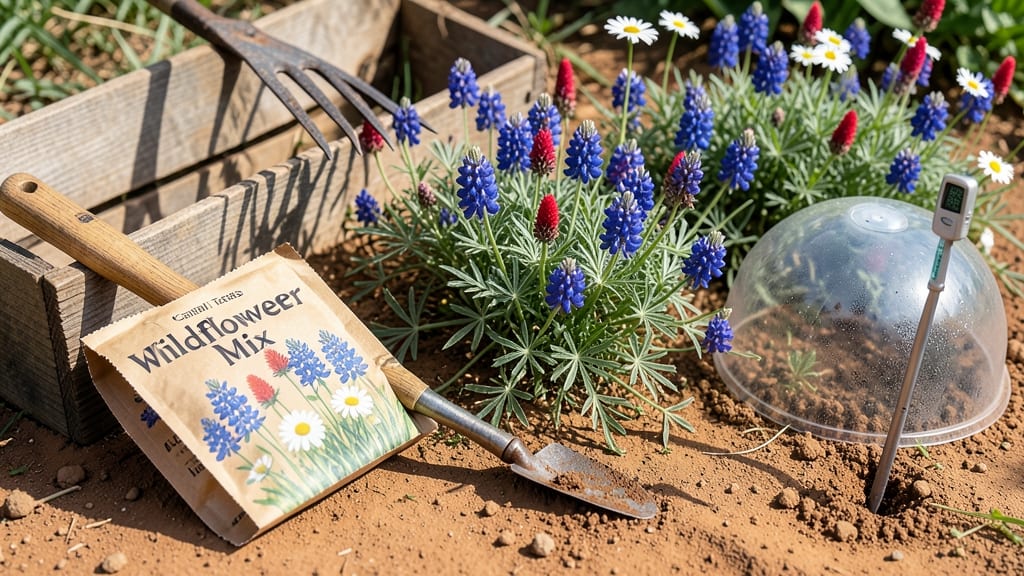
Planting a garden in Central Texas isn’t just about dropping seeds in the dirt—it’s about timing your moves to outsmart the brutal heat and unpredictable frost.
Miss the window by even a few weeks, and you could end up with wilted seedlings or stunted harvests before the first frost hits in November.
With 220 frost-free days to work with, Central Texas gardeners have a longer growing season than most—but that doesn’t mean you can plant whenever you feel like it.
The key is knowing when to start cool-season crops like lettuce and spinach (late February to early April) and when to switch to heat-lovers like okra and sweet potatoes (September to October).
I’ve spent years testing what works in USDA Zones 8a-9a, and the difference between a thriving 🌱 General Central Texas Garden and a struggling one often comes down to these precise planting windows.
Whether you’re a first-time gardener or a seasoned pro, mastering these dates will help you grow more food with less frustration.
Ready to turn your backyard into a productive oasis? Let’s break down the exact months to plant, adjust for extreme heat, and even salvage late starts—so you can enjoy fresh harvests from March through December.
Central Texas planting zones by month: best times for vegetables, flowers, and herbs
Central Texas gardeners face a unique challenge: scorching summers and mild winters create a tight planting window for most crops. In USDA Zones 8a-9a, your best bets are cool-season crops in fall/winter and heat-tolerant plants in spring/summer.
The key is working between the last frost (March 15) and first frost (November 15), with peak growing months between March-April and September-October.
Native species and Texas Superstars like Blackfoot Daisy and Mexican Feather Grass thrive here, while traditional veggies need careful timing to avoid wilting under 100°F+ heat.
Spring planting kicks off in late February for heat-loving crops like okra, sweet potatoes, and black-eyed peas, while cool-season veggies (spinach, kale, lettuce) wait until March 15 after frost risk passes.
Fall offers a second chance for broccoli, carrots, and radishes, but hurry—October 15 is the cutoff before winter chill sets in. Below, I’ve broken down the month-by-month planting calendar so you can align your garden with Central Texas’s natural rhythms.
🌱 Pro Tip: Use mulch (2-4 inches of straw or wood chips) to lock in moisture during summer and row covers to extend fall harvests by 4-6 weeks. These tricks let you push planting windows just a little further—critical when Texas heat waves strike early!
| Month | Spring/Summer Crops | Fall/Winter Crops | Texas Superstars | Key Notes |
|---|---|---|---|---|
| February | Okra, Sweet Potatoes, Black-Eyed Peas | Spinach (shade cloth), Peas | Mexican Feather Grass, Yucca | Start heat lovers early; use shade cloth for greens. |
| March | Tomatoes, Peppers, Basil, Cucumbers | Lettuce, Radishes, Carrots | Blackfoot Daisy, Salvia | Wait until March 15 after last frost. |
| April | Eggplant, Corn, Green Beans | Broccoli, Cauliflower, Kale | Lantana, Turk’s Cap | Mulch heavily to retain moisture. |
| May | Squash, Melons, Herbs | N/A (Too hot for cool crops) | Purple Coneflower, Blanket Flower | Use drip irrigation to avoid leaf burn. |
| June-August | Succession plant beans, cucumbers | N/A (Focus on summer blooms) | Zinnias, Mexican Sunflower | Provide afternoon shade for veggies. |
| September | Late tomatoes, peppers (if heat-tolerant) | Spinach, Lettuce, Radishes | Autumn Sage, Goldenrod | Soil temps must be above 60°F for seeds. |
| October | N/A (End of summer crops) | Broccoli, Carrots, Onions | Mexican Bush Sage, Fall Aster |
How to adjust planting dates for extreme heat or drought years in Central TexasCentral Texas summers are becoming hotter and drier, forcing gardeners to rethink traditional planting schedules. When temperatures soar above 95°F or drought warnings blanket the region, your usual spring planting window can turn into a recipe for failure. The key is shifting to heat-tolerant varieties and adjusting timelines to avoid peak heat stress on young plants. I’ve learned that okra, sweet potatoes, and black-eyed peas thrive when planted in late May or early June—long after most gardeners have given up. These powerhouses handle 100°F+ heat with ease, while traditional spring crops like tomatoes and peppers may wilt without shade or extra care. The trick is to time your planting for when the worst heat waves have passed but before the soil becomes bone-dry.
⚠️ CRITICAL ADJUSTMENTS FOR EXTREME HEAT:
Pro tip: Use a soil thermometer—ideal planting temps should stay below 85°F for seeds to germinate. For soil moisture management, I swear by deep mulching with straw or wood chips to lock in humidity. In my drought-prone Austin garden, I’ve seen mulch reduce water needs by 40% or more. Pair this with drip irrigation timed for early morning to minimize evaporation. Even heat-loving plants like eggplant and squash will bolt if stressed by dry soil. Don’t overlook shade cloth for seedlings—30-50% shade can drop soil temps by 10-15°F, making the difference between thriving and struggling. I use it over tomato and pepper starts until they’re established, then gradually remove it as plants mature. This buy-you-time strategy lets me plant 2-3 weeks earlier than I otherwise could. When selecting varieties, prioritize drought-tolerant heirlooms like ‘Cherokee Purple’ tomatoes or ‘Arkansas Traveler’ sweet potatoes. These perform better in high-heat conditions than hybrid counterparts. I also rotate crops annually to prevent soil depletion, which worsens under stress. For example, planting beans (which fix nitrogen) before squash (a heavy feeder) keeps the soil fertile without extra inputs. Finally, embrace successional planting for short-season crops like bush beans or radishes. Sow a new batch every 2-3 weeks from March through May to stretch harvests. In drought years, I focus on fast-maturing varieties—like ‘Early Girl’ tomatoes (55 days)—to beat the heat before it peaks. With these adjustments, even the harshest Central Texas summers can yield a bountiful harvest. |