
Planting
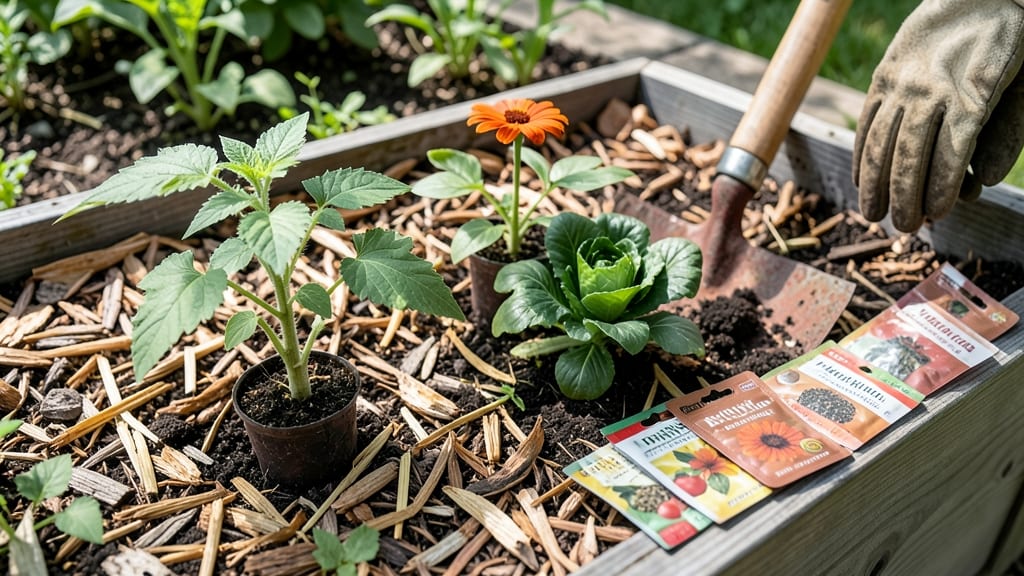
Planting your garden at the wrong time in Tennessee can mean the difference between a thriving harvest and a sad pile of wilted 🌱 dreams. With frost dates shifting from mid-April in the mountains to late-March in the Delta, timing is everything.
I’ve spent years learning the tricks to beat Tennessee’s unpredictable weather—whether you’re growing tomatoes in Zone 6a or sweet potatoes in Zone 7b. The key? Knowing exactly when to start seeds indoors, when to transplant seedlings, and how to stretch your growing season without risking frost damage.
In this guide, I’ll break down the month-by-month planting schedule for your region, so you can avoid common mistakes and enjoy fresh veggies from spring through fall. Let’s get your garden off to the best possible start!
From cool-season crops like lettuce to heat-loving peppers, I’ll cover everything you need to know to plant with confidence—no more guessing games. Ready to dig in?
Tennessee planting zones: when to start seeds and transplants by month
Tennessee spans USDA zones 6a to 8a, meaning your planting schedule should vary slightly depending on whether you're in the cooler Appalachian Mountains (6a-7a) or the warmer Memphis Delta (7b-8a).
Understanding these zones helps you avoid late frosts in spring or early frosts in fall that can ruin tender seedlings. For most of Tennessee, the last spring frost arrives between mid-March and early May, while the first fall frost typically hits mid-October to early November.
To maximize your garden's potential, start with cool-season crops like lettuce, spinach, and peas in early spring (February-March) and warm-season crops like tomatoes, peppers, and squash after the last frost in late April to early June.
Fall planting begins in August for crops like broccoli and kale that thrive in cooler weather. Let’s break it down by region and month to ensure you’re planting at the perfect time.
📌 Pro Tip: Use a frost-free date calculator for your exact location—tools like the Old Farmer’s Almanac or PlantMaps can give you precise dates based on your ZIP code. This is especially critical for heat-sensitive crops like basil or cold-tolerant crops like collard greens.
| Region | USDA Zone | Last Spring Frost | First Fall Frost | Start Seeds Indoors | Transplant Outdoors | Direct Sow Outdoors |
|---|---|---|---|---|---|---|
| East TN (e.g., Knoxville, Chattanooga) | 6a-7a | Mid-April | Mid-October | March (cool crops) | Late April (warm crops) | March-April (cool crops) / May (warm crops) |
| Middle TN (e.g., Nashville, Murfreesboro) | 7a-7b | Early April | Late October | February-March (cool crops) | Mid-April (warm crops) | February-April (cool crops) / April-May (warm crops) |
| West TN (e.g., Memphis, Jackson) | 7b-8a | Late March | Early November | February (cool crops) | Late March (warm crops) | February-April (cool crops) / April (warm crops) |
🌱 Note: Adjust dates 1-2 weeks earlier for higher elevations (e.g., Great Smoky Mountains) and later for lowland areas (e.g., Mississippi Delta border).
In East Tennessee (zones 6a-7a), where frosts linger longer, start cool-season crops like broccoli and cabbage indoors in March and transplant them after the mid-April frost date.
For warm-season crops, wait until late April to early May to avoid frost damage. Tomatoes, peppers, and eggplants are particularly sensitive and should never go into the ground until soil temperatures reach at least 60°F.
Middle Tennessee gardeners in zones 7a-7b have a slightly longer growing season. You can start cool-season seeds indoors in February and transplant them outdoors by mid-April. For warm-season crops, begin sowing seeds indoors in March and transplant by late April.
This region is ideal for sweet potatoes and blackberries, which thrive in the warmer climate but need consistent moisture.
West Tennessee’s zones 7b-8a offer the longest growing season, allowing for earlier starts and later finishes
Best crops to plant in Tennessee by season: a month-by-month guide
Tennessee’s diverse microclimates mean your garden’s success hinges on timing. Whether you’re growing collard greens in the mountains or sweet potatoes in the Delta, each crop has its sweet spot. Let’s break down the best plants to sow each month, tailored to Tennessee’s USDA zones 6a-7b and frost dates.
Spring kicks off with cool-season crops like lettuce and peas, while summer thrives with heat-loving veggies such as okra and black-eyed peas. Fall offers a second chance for hardy greens and root vegetables.
By aligning your planting with these seasonal cues, you’ll maximize yields and avoid common pitfalls like frost damage or bolting.
- 🌱 March-April: Plant cool-season crops like broccoli, kale, and onions. Start tomatoes and peppers indoors for late-May transplanting.
- ☀️ May-June: Transition to warm-season crops—sweet corn, squash, and okra. Sow Southern favorites like collard greens and mustard greens for fall harvests.
- 🌿 July-August: Plant fall greens (spinach, lettuce) and root crops (carrots, turnips). Direct-sow blackberries and blueberries for perennial harvests.
- 🍠 September: Focus on sweet potatoes, garlic, and onion sets. Extend the season with row covers for late tomatoes.
For East Tennessee, where springs arrive earlier, prioritize early March plantings of peas and spinach. In West Tennessee, wait until mid-April to avoid late frosts. Herbs like basil and cilantro thrive in spring but bolt in summer—sow cilantro in fall for a second crop.
Don’t overlook flowers! Marigolds and zinnias brighten summer beds, while pansies and snapdragons add color to fall gardens. Plant perennials like lavender in spring or fall for year-round interest.
Pro tip: Use succession planting for bush beans and lettuce—sow every 2 weeks in spring and fall to ensure a steady supply. Blackberries and raspberries planted in late winter establish strong roots before summer heat.
By following these month-by-month guidelines, you’ll turn Tennessee’s variable climate into an advantage. Happy planting! 🌱