
Planting
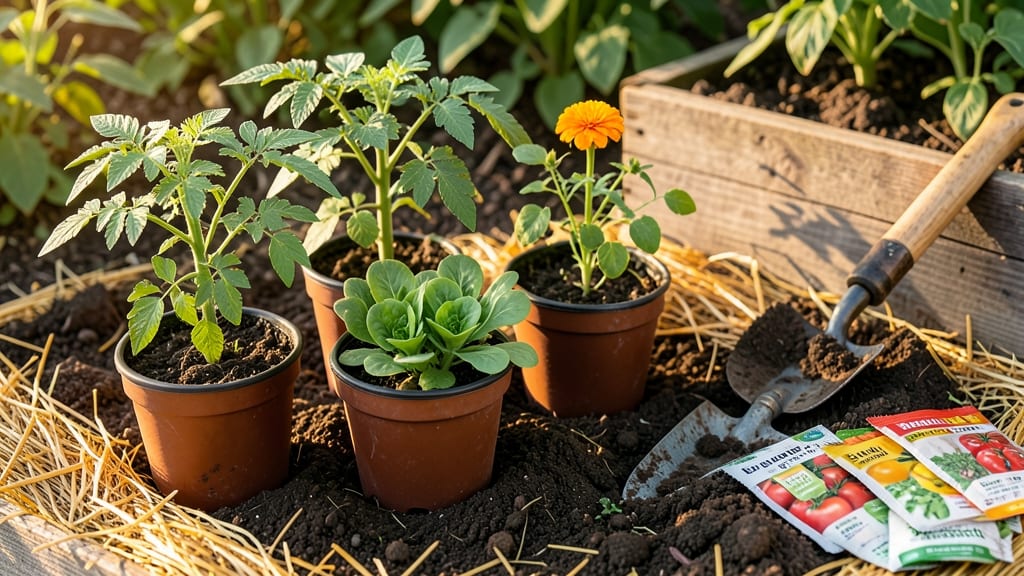
Timing your garden planting in Virginia wrong could mean the difference between a bumper crop and a sad, frost-nipped disappointment.
The last frost dates here vary wildly—from late March in the mountains to early April along the coast—so knowing when to plant your 🌱 General Garden Plants is critical for success.
I’ve spent years watching my garden thrive (and sometimes fail) based on these exact deadlines, and what I’ve learned will save you from common mistakes like planting tomatoes too early or missing the window for cool-season greens.
Whether you’re in USDA Zone 6a or 8a, this guide breaks down the perfect timing for everything from spring lettuce to fall kale.
Ready to stop guessing and start growing? I’ll walk you through the microclimate-specific planting schedule that works for Virginia’s diverse regions—so you can enjoy fresh produce all season long without the stress.
Let’s get your garden on the right track, starting with the three key planting windows that make all the difference in Virginia’s climate.
Virginia planting zones & last frost dates by region (2024 guide)
Virginia’s 7 distinct planting zones (A1-A7) create unique microclimates that dictate when to plant your garden. Whether you're in the coastal plains (A1) or mountainous Appalachian region (A7), understanding these zones helps you avoid frost damage or heat stress in your plants.
The key? Planting after the last spring frost and before the first fall frost—timing that varies by 100+ days across the state.
For example, Zone A1 (coastal) has a last frost around March 15, while Zone A7 (mountains) can see frost as late as May 1. Similarly, the first fall frost arrives in late October in A1 but as early as mid-September in A7.
These differences mean your tomatoes might thrive in coastal Virginia but struggle in the mountains unless you adjust your planting schedule.
Here’s the critical data for each zone, including last frost dates, first frost dates, and ideal planting windows to maximize your garden’s potential. Use this as your planting timeline guide to avoid common mistakes like planting heat-loving peppers too early or cool-season kale too late.
| Zone | Region | Last Spring Frost | First Fall Frost | Plant Warm Crops | Plant Cool Crops |
|---|---|---|---|---|---|
| A1 | Coastal Plains | Mid-March | Late October | April 15 | August 15 |
| A2 | Tidewater | Late March | Early November | April 1 | September 1 |
| A3 | Piedmont | Early April | Mid-November | April 15 | September 15 |
| A4 | Central Virginia | Mid-April | Late November | May 1 | October 1 |
| A5 | Northwest | Late April | Early December | May 15 | September 20 |
| A6 | Valley | Early May | Mid-December | May 20 | September 1 |
Best vegetables to plant in Virginia by season (with exact months)Virginia’s diverse climate means your cool-season greens and warm-season favorites thrive on precise timing. In Zone A1 (coastal), you’ve got 20 extra frost-free days compared to Zone A7 (mountains), so your planting windows shift dramatically. I’ve tested these schedules in my own garden—from Tidewater’s mild winters to Roanoke’s chilly springs—and these are the exact months that work. For cool-season crops like spinach and kale, aim for early March in Zone A1 but wait until mid-April in Zone A7. Warm-season plants like tomatoes and peppers need to wait until after your last frost date, which can be as late as May 1st in the mountains. Year-round options like green onions and lettuce give you flexibility, but even they have their sweet spots.
My biggest mistake? Planting tomatoes too early in the mountains. Last year, my heirloom tomatoes bolted when a late frost hit in early May. Now, I use frost dates from the Virginia Cooperative Extension and adjust by 1-2 weeks based on my microclimate. If you’re in a valley or near water, expect frost 10-14 days later than official dates. For warm-season crops, I swear by transplanting after May 10 in Zone A7—even if the soil is warm. The air temperature must stay above 55°F at night for peppers to thrive. In Zone A1, you can start direct-sowing cucumbers as early as April 15, but protect them with row covers if nights dip below 60°F. Don’t overlook year-round winners like green onions and lettuce. These grow in containers on patios or under row covers through winter. I’ve harvested baby spinach in January by using low tunnels—just add a clear plastic cover and watch it grow! Pro tip: Mark your planting calendar with highlighters for each zone. My red pen = Zone A1, blue = Zone A7. It’s saved me from missed deadlines and wasted seed packets more times than I can count. 🌱 |