
Plants
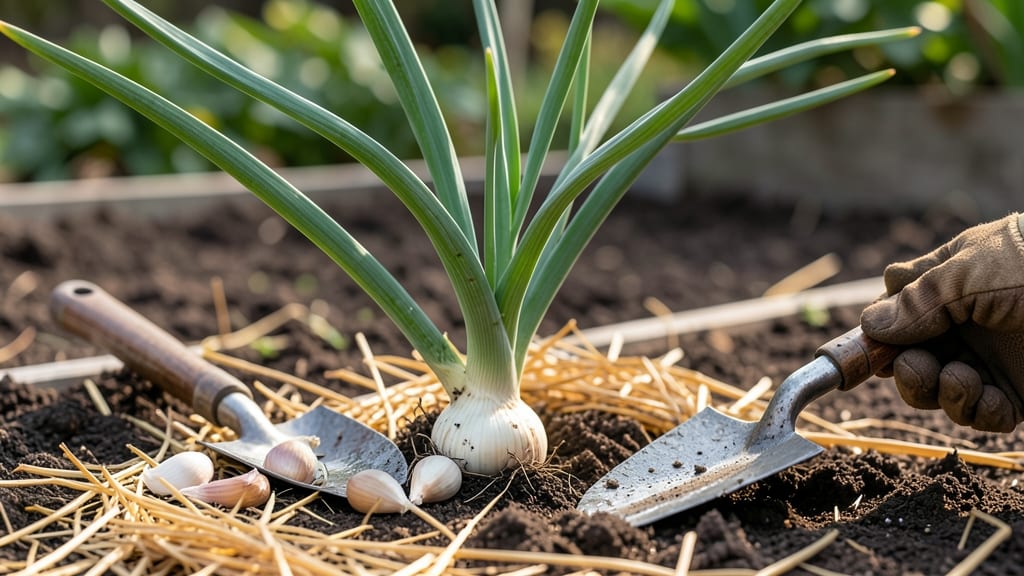
Planting garlic in North Dakota isn't just about timing—it's about surviving the freeze and thriving when spring arrives. With winters that can drop below -20°F, getting your 🧄 cloves in the ground between mid-September and early October is your best shot at a flavorful harvest the following summer.
Most gardeners assume garlic is a spring crop, but in Zone 4a-4b, fall planting is the key to success. The cold helps develop hardy bulbs, and by the time snow melts, your garlic will already be rooted and ready to grow.
Skipping this window means risking weak plants or no harvest at all.
Hardneck varieties—like the hardy 'German White'—are the go-to for North Dakota, while softnecks struggle in the cold. I’ll walk you through the exact steps to prep your soil, adjust for late frosts, and even troubleshoot if your garlic sprouts too early.
Let’s make sure your garlic beats the cold and delivers a bountiful harvest.
From mulching strategies to local extension service tips, this guide covers everything you need to know. Whether you're a first-time planter or a seasoned gardener, these tricks will help you grow garlic that’s tougher than the North Dakota winter itself.
Best planting months for garlic in North Dakota: hardneck vs softneck schedule
North Dakota’s USDA Zones 3-4 create unique challenges for garlic growers, where timing is everything. Unlike milder climates, garlic planted too early may sprout prematurely, while late planting risks insufficient cold stratification—critical for bulb formation.
The 4-6 week window before ground freeze (typically mid-September to early October) offers the perfect balance for both hardneck and softneck varieties to establish roots before winter.
Hardneck garlic, prized for its bold flavor and scapes, thrives in cold climates like North Dakota. Its 60-90 day cold requirement makes fall planting ideal, while softneck varieties, though less cold-hardy, can still succeed with precise timing.
The key difference? Hardnecks need winter chill to form bulbs, while softnecks can tolerate shorter cold periods but prefer milder winters.
Soil temperature is your best indicator—plant when soil reaches 40-50°F (4-10°C). In North Dakota, this usually aligns with late September to early October, but watch for early frosts in Zone 3 areas. A soil thermometer is your best tool to avoid planting too soon or too late.
For hardneck garlic, aim for planting between September 15 and October 10 in most of North Dakota. This window ensures cloves establish roots before the ground freezes but still receive sufficient winter chill.
In Zone 3 areas (e.g., northwest ND), push closer to September 20 to avoid early frosts, while Zone 4 (southeast) can extend to October 5.
Softneck varieties are more flexible but still demand precision. Plant between September 25 and November 1 in milder microclimates (e.g., near rivers or urban heat islands). Use extra mulch (12+ inches) to insulate bulbs during winter.
If you miss the fall window, spring planting in March is possible but yields 50% smaller bulbs due to lack of cold stratification.
Never plant garlic in early fall (before September)—premature sprouting weakens cloves before winter. Instead, cure and store last year’s garlic for planting. For spring planting, only attempt it if you have heated greenhouses or can provide artificial chilling (40°F for 60 days).
Without this, bulbs may bolt prematurely or produce poorly.
Pro tip: Use local garlic varieties like ‘German White’ or ‘Music’—they’re bred for North Dakota’s climate and outperform store-bought softnecks. After planting, apply 4-6 inches of straw mulch to protect cloves from temperature swings and rodent damage.
Check mulch depth in late winter—if it’s compressed, add more to maintain insulation.
Harvest timing varies by variety, but most North Dakota garlic is ready by late June to early July. Look for lower leaves turning brown while upper leaves stay green. Don’t wait too long—bulbs split if left in the ground past maturity.
Cure harvested garlic in a shady, dry, well-ventilated area for 2-3 weeks before storing.
Remember: North Dakota’s short growing season means garlic planted in fall 2024 won’t harvest until summer 2025. Plan ahead by rotating crops—garlic is a great companion plant for tomatoes, carrots, and roses but avoid planting it where alliums grew the prior year to prevent disease buildup.
How to adjust garlic planting time for North Dakota’s microclimates
North Dakota’s microclimates create unique challenges for garlic growers. Urban areas like Fargo and Grand Forks often experience warmer pockets due to concrete and buildings, while rural regions in USDA Zone 3 face harsher cold snaps.
These variations mean your planting timeline should shift based on location—even within a 50-mile radius.
Elevation also plays a role. Areas above 2,000 feet, like parts of the Badlands, freeze earlier than valleys. Snow cover further complicates timing—thick snow insulates soil, delaying frost penetration, while thin snow exposes plants to freeze-thaw cycles that can damage emerging shoots.
⚠️ callout warning
Planting garlic too early (before mid-September) risks pre-sprouting before winter. Cloves may push through unfrozen soil and die in sub-zero temps. Conversely, waiting until after early November leaves insufficient time for root establishment before dormancy.
Urban Tip: Use black plastic mulch to warm soil 2–3°F faster in city gardens. Rural areas? Add extra straw mulch (6+ inches) to protect from extreme cold.
For urban gardeners, aim to plant 2–3 weeks later than rural areas—typically late September to early October. Urban heat islands can delay frost by 1–2 weeks, so monitor local frost dates from the NDAWN weather network.
In rural Zone 3, plant mid-September to ensure roots harden before consistent sub-20°F temps.
Soil preparation timing also shifts. Urban soils often compacted from foot traffic need earlier aeration (late August), while rural soils benefit from late September tilling to avoid disturbing worm activity too soon.
Test soil pH (6.0–7.0) and amend with compost—urban areas may need more organic matter due to poor drainage from concrete runoff.
Watch for signs of premature sprouting: green shoots in October mean you planted too early. In rural areas, this often happens if soil temps stay above 40°F for extended periods.
Solution? Mulch immediately with straw or leaves to insulate cloves. Urban gardens may need row covers for extra protection.
Adjust your harvest timing too—urban garlic may mature 7–10 days earlier than rural plots due to warmer microclimates. Start checking for brown lower leaves in late June in cities, but wait until early July in colder zones. Always harvest before tops flop over to preserve flavor and storage life.