
Plants
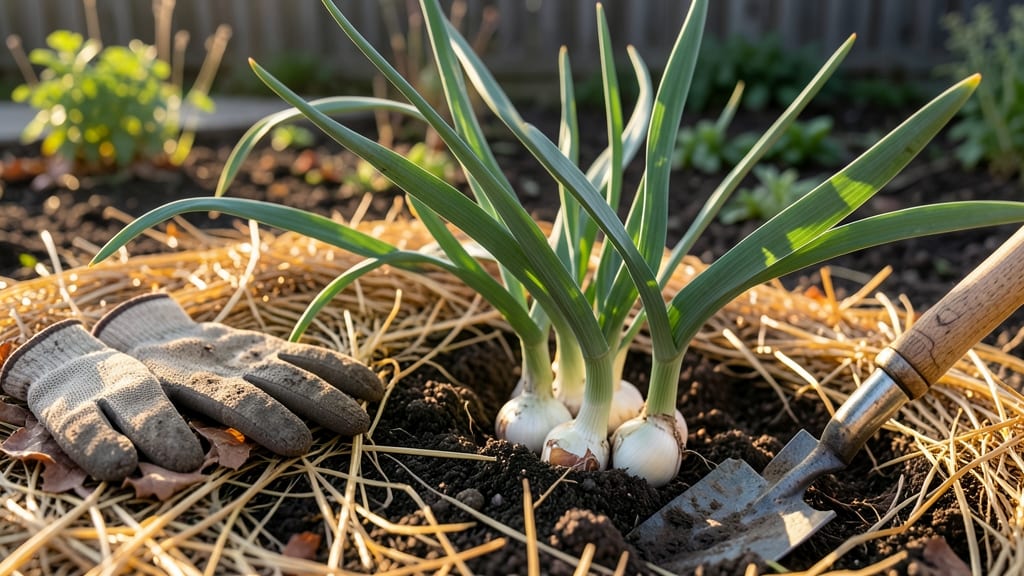
Planting garlic in Pennsylvania at the wrong time can turn your hard work into a winter flop—especially when you're aiming for those prized hardneck varieties that thrive in Zone 5b-7a.
The secret lies in those crisp fall days when the soil is still warm enough for roots to take hold but cold enough to trigger bulb formation. Skip this window, and you might end up with stunted growth or cloves that never mature.
I’ve learned the hard way that timing isn’t just about the calendar—it’s about reading your local microclimate. Whether you’re in Pittsburgh’s cooler hills or Philadelphia’s slightly milder zones, the goal is to get those 🧄 cloves in the ground 4-6 weeks before the first hard frost.
That means late October for most of the state, but earlier in the north or later in the south. Get it right, and you’ll harvest plump bulbs by late June.
But here’s the kicker: even the best timing won’t save you if your soil isn’t ready. We’ll cover how to prep your beds for winter hardiness, from soil pH to mulching tricks that protect your garlic through Pennsylvania’s unpredictable winters.
Trust me, these steps make all the difference between a disappointing harvest and a pantry full of homegrown flavor.
Let’s break down the exact steps—from selecting the right cloves to adjusting for your specific corner of the state. By the end, you’ll know exactly when, where, and how to plant for garlic that’ll have your neighbors asking for tips.
Optimal Pennsylvania fall planting dates for garlic by region
Pennsylvania’s diverse climate means garlic planting dates vary dramatically between regions. In Zone 5b (like Pittsburgh), you’ve got until mid-November to plant, while Zone 7a (Philadelphia’s outskirts) can handle garlic until late November.
The key is planting 4-6 weeks before ground freezes—too early, and cloves rot; too late, and roots won’t establish before winter. Let’s break down the perfect timing for each region.
Soil temperature is your best guide: aim for 40-50°F (4-10°C) at planting. In Erie (Zone 5a), that’s usually late September to early October, while Lancaster (Zone 6b) gives you a longer window through mid-November.
Microclimates matter too—urban areas like Philadelphia often stay warmer than rural spots, delaying frost by 1-2 weeks.
Here’s the critical comparison of Pennsylvania’s top garlic-growing regions, including soil prep and planting depth:
For hardneck garlic (the best choice for PA winters), timing is everything. Plant too early in Erie or Pittsburgh, and cloves may sprout before cold sets in, leading to rot or weak bulbs.
Conversely, planting too late in Philadelphia’s Zone 7a risks shallow roots that freeze. My trick? Use a soil thermometer—50°F is your sweet spot for root establishment.
Regional soil types also play a role. Clay-heavy soils (common in Pittsburgh’s suburbs) need sandy amendments to prevent waterlogging, while sandy soils in Erie benefit from compost additions to retain moisture. Always test your soil’s pH (6.0–7.0)—garlic hates acidic conditions, which stunt bulb growth.
Pro tip: Mulch after planting with 4–6 inches of straw to insulate roots during PA’s freeze-thaw cycles. In Zone 5b, this keeps soil temps stable; in Zone 7a, it prevents early spring warming from waking garlic too soon. Remove mulch in late winter to avoid fungal issues.
Don’t overlook clove selection—choose large, firm cloves from hardneck varieties like ‘Music’ or ‘German White’. Plant the pointy end up, 2 inches deep, and space them 4–6 inches apart in rows 12 inches apart. This spacing prevents crowding, which leads to small, weak bulbs.
If you’re in doubt about your region’s frost date, check the Penn State Extension’s frost calendar or use the USDA Plant Hardiness Map. For example, State College (Zone 6a) typically sees its last frost around April 15, but Scranton (Zone 5b) can linger until May 1.
How to prepare garlic cloves and soil for fall planting in Zone 5
Fall is the perfect time to plant hardneck garlic in Pennsylvania’s Zone 5, but success starts with selecting the right garlic cloves and preparing your soil. Unlike spring planting, fall gives your garlic time to develop strong roots before winter dormancy.
For Zone 5, aim to plant 4-6 weeks before the ground freezes—typically mid-October to early November. This timing ensures roots establish but bulbs stay dormant until spring.
Start by choosing plump, firm cloves from hardneck varieties like ‘Music’ or ‘German White’. Avoid softneck garlic, which performs poorly in cold climates. Break bulbs into individual cloves, ensuring each has its papery skin intact.
Discard any cloves that feel soft, shriveled, or show signs of mold. Healthy cloves are your first line of defense against winter rot and disease.
Soil preparation is just as critical as clove selection. Garlic thrives in loose, well-draining soil with a slightly acidic to neutral pH (6.0–7.0). Before planting, amend your soil with 2–3 inches of compost or well-rotted manure. This improves organic matter content and encourages root growth. If your soil is heavy clay, mix in sand or perlite to improve drainage and prevent waterlogging.
- 🌱 Test Soil pH: Aim for 6.0–7.0; adjust with lime (to raise) or sulfur (to lower) if needed.
- 🪴 Add Compost: Work in 2–3 inches of compost to enrich soil and retain moisture.
- 💧 Improve Drainage: Mix in sand or perlite if your soil is clay-heavy to prevent waterlogging.
- ✂️ Break Bulbs Correctly: Separate cloves gently, keeping skins intact, and discard any damaged cloves.
- 🌡️ Plant Depth: Bury cloves 2 inches deep, pointed end up, with 4–6 inches between cloves.
- 🌿 Fertilize Lightly: Use a balanced fertilizer (10-10-10) at planting to support early root growth.
Once your soil is ready, create raised beds or rows with a spacing of 12–18 inches between plants. This gives garlic room to grow without competing for nutrients. After planting, apply a 2-inch layer of mulch using straw or shredded leaves to insulate the soil and retain moisture.
In Zone 5, mulch also protects cloves from freeze-thaw cycles, which can damage emerging roots.
Finally, avoid fertilizing heavily after planting—garlic is a low-maintenance crop that focuses on root and bulb development over rapid top growth. A light application of compost tea or fish emulsion in early spring will suffice.
By following these steps, your garlic will emerge strong in spring, ready to produce large, flavorful bulbs by midsummer.
With the right clove selection and soil prep, your Zone 5 garlic will thrive even through Pennsylvania’s unpredictable winters. The key is patience—let nature do the work while you enjoy the anticipation of a homegrown harvest next summer! 🌱