
Planting
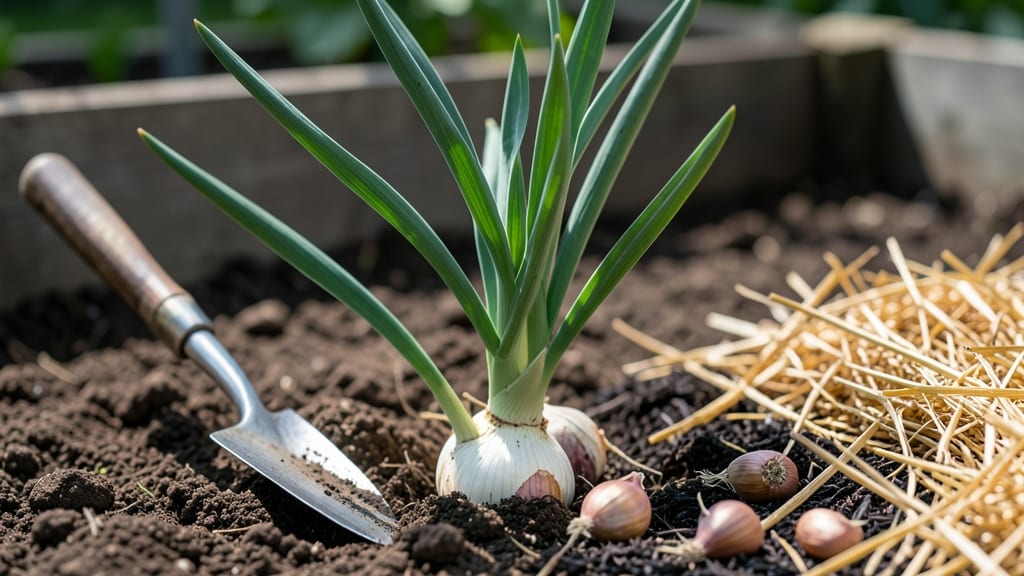
Planting garlic in Zone 8 at the wrong time can turn your 🧄 dreams into a flop—too early, and you risk rot; too late, and you might miss the chill it needs to bulb up properly.
Unlike colder zones, Zone 8’s mild winters mean you’ve got just a 4-6 week window to get it right, typically between October and November. Whether you’re growing hardneck for those prized scapes or softneck for long-term storage, timing is everything—and I’ll show you exactly how to nail it.
This isn’t just about throwing cloves in the ground and hoping for the best. We’re talking soil temps, frost dates, and even which variety thrives best in your specific part of Zone 8. Let’s break down the best strategies so you can walk away with plump, flavorful bulbs next summer.
Ready to avoid the common mistakes? I’ll walk you through the ideal planting schedule, plus pro tips to give your garlic the head start it deserves—no guesswork, just results.
Zone 8 garlic planting calendar: hardneck vs softneck month-by-month guide
Zone 8 gardeners face a unique challenge with garlic planting—our mild winters and warm springs demand precision timing to avoid bolting or poor bulb formation.
Unlike colder zones, we can't rely on a single "plant in October" rule. Hardneck varieties (like Music or German Red) need 60-70°F soil and 4-6 weeks before frost, while softneck types (like Silverskin) tolerate slightly later planting. Let's break down the exact windows for your region.
Southern California's coastal areas (e.g., Los Angeles, San Diego) have warmer microclimates that shift planting to late October or November, while inland areas (like Phoenix) can plant as late as early December.
Meanwhile, the Southeast (Atlanta, Raleigh) aligns closer to traditional October planting but risks heat stress if delayed past mid-November. These differences matter—planting at the wrong time can mean small bulbs or even no harvest.
Soil temperature is your best guide, not the calendar. Use a soil thermometer to confirm 60-70°F at planting depth (2-4 inches). If your soil stays above 70°F in October, wait until temperatures drop naturally. Hardnecks need cold vernalization (4-6 weeks below 50°F) to form bulbs, while softnecks are more forgiving but still benefit from cooler temps.
| Variety | Ideal Planting Month | Soil Temp Range | Days to Harvest | Zone 8 Sub-Region | Key Risk |
|---|---|---|---|---|---|
| Hardneck (e.g., Rocambole, Purple Stripe) | Late October - Early November | 60-70°F | 270-300 days | Coastal CA | Bolting (if planted too late) |
| Hardneck (e.g., Music, German Red) | Mid-October - Late October | 60-70°F | 270-300 days | Southeast (Atlanta, Raleigh) | Rot (if planted too early) |
| Softneck (e.g., Silverskin, Artichoke) | November - Early December | 55-65°F | 300-330 days | Inland CA (Phoenix, Las Vegas) | Small bulbs (if planted too late) |
| Softneck (e.g., California Early, Creole) | Late October - November | 55-65°F | 300-330 days | Coastal CA | Pest attraction (if soil too warm) |
For hardneck garlic, aim to plant 4-6 weeks before your region's first frost date.
In Southern California, this typically means late October for coastal areas and early November inland. Hardnecks produce scape shoots in spring, which you can harvest for flavorful greens, but they require cold to form bulbs. If you miss the window, consider spring planting (though yields will be smaller).
Softneck garlic is more flexible but still benefits from cool fall temperatures. Plant November through early December in Zone 8, focusing on 55-65°F soil. These varieties store longer and are
5 Critical signs you’re planting garlic at the wrong time in Zone 8
Garlic in Zone 8 is fussy about timing—plant too early, and you risk premature sprouting or pest infestations. Plant too late, and your bulbs may never mature. The ideal window is 4-6 weeks before your first frost, but Zone 8’s mild climate throws off many gardeners.
Watch for these 5 red flags that signal you’ve missed the mark, plus how to salvage your crop before it’s too late.
First, check your soil temperature before planting. If it’s above 60°F when you put cloves in the ground, they’ll sprout too quickly and weaken. Garlic needs cool soil (50-60°F) to establish strong roots.
Use a soil thermometer—this is your first warning sign. In Zone 8, soil can stay too warm well into November, especially in Southern California or urban heat islands.
Next, keep an eye on your garlic cloves. If they sprout indoors before you plant them outside, that’s a clear sign you’re holding off too long. Garlic cloves should stay dormant until they hit the cold ground.
Pre-sprouting means they’ve already used up energy and may not develop large bulbs. Store them in the fridge for a few days to slow sprouting if you’re running late.
- Soil too warm (60°F+) at planting → Quick Fix: Wait 2-3 weeks or plant in shaded beds.
- Cloves sprouting indoors → Quick Fix: Store in paper bag in fridge for 1-2 weeks.
- Maggot infestations (white flies) → Quick Fix: Replant in fresh soil with neem oil.
- Shoots >6 inches tall by winter → Quick Fix: Mulch heavily to protect from freeze-thaw cycles.
- Bolting (flower stalks) → Quick Fix: Harvest scapes early or accept smaller bulbs.
One of the most alarming signs is maggot infestations in your garlic. If you notice tiny white larvae around the base of your plants, you’ve likely planted too late—garlic flies thrive in warm soil and lay eggs on cloves.
These pests can ruin your entire crop if left unchecked. To salvage your garlic, remove infested cloves immediately and treat the soil with neem oil or diatomaceous earth.
Another warning sign is garlic shoots growing taller than 6 inches before winter sets in. In Zone 8, this often happens when gardeners plant in late October or November, giving the plants too much time to grow before the cold.
While they might survive, these tall, weak stems are more susceptible to freeze damage and disease. Protect them with a thick layer of straw mulch (6-8 inches) to insulate the soil and roots.
Finally, if your garlic bolts (sends up a flower stalk), you’ve missed the boat. Bolting is a last-resort survival tactic for garlic when it senses heat or stress. While hardneck varieties produce edible scapes, the bulbs will be small and underdeveloped.
If this happens, harvest the scapes for culinary use and accept that your bulbs won’t be ideal for storage. For next year, plant earlier in October to avoid this issue.
Don’t let these signs scare you off—Zone 8 garlic growing is still possible with adjustments. If you’ve already planted and spotted one of these red flags, act fast. The key is adapting your care to compensate for timing mistakes.
With the right fixes, you can still salvage a decent harvest—or at least learn for next season! 🧄