
Plants
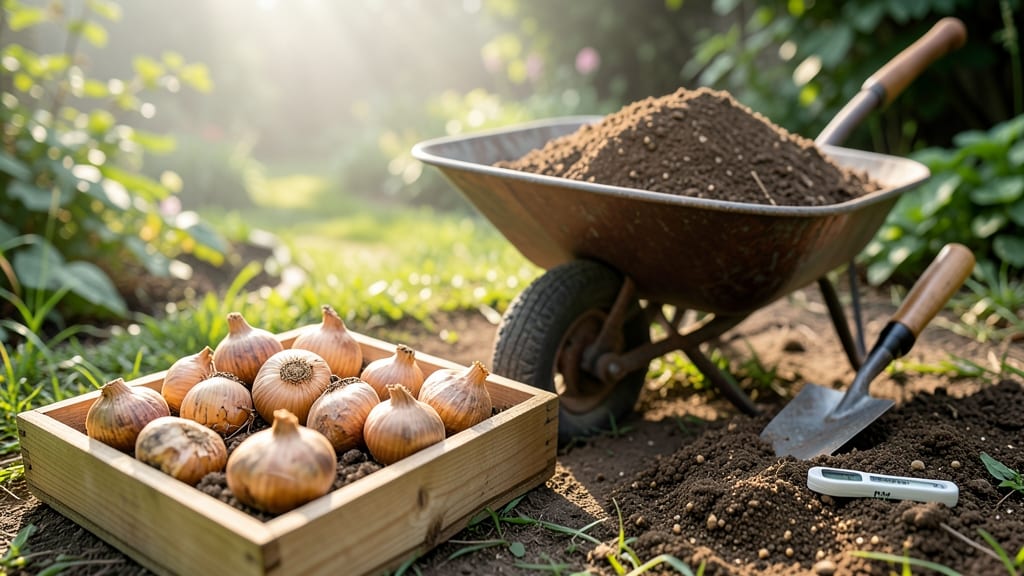
Mastering when to plant gladiolus bulbs in California is the key to stunning summer blooms that last—without frost damage or flowers that wilt before they even open.
Whether you're in coastal zone 10, inland zone 9, or desert zone 8, timing your planting just right can mean the difference between a garden full of 🌸 and a disappointing half-bloom.
Most gardeners in California plant gladiolus in March or April, but coastal areas can start as early as February, while desert regions might wait until late March. The key? Avoid planting when nighttime temps still dip below 50°F—those tender corms need warmth to wake up properly.
I’ve learned the hard way that rushing it leads to stunted growth, so let’s get this right the first time. What you’ll discover here is how to match your planting schedule to your exact microclimate, from the Central Valley’s heat to the foggy coast.
We’ll also cover soil prep tricks and post-planting care to ensure your gladiolus thrive all summer long. Ready to grow a garden that turns heads? Let’s dig in. The best part?
Once you nail the timing, these tall, dramatic blooms will reward you with 4-5 feet of vibrant color—perfect for cutting or admiring in your garden. No more guessing games, just confident planting that guarantees results. Let’s make this your most successful gladiolus season yet!
California heat-zone map: best planting months by region
California’s gladiolus planting success hinges on understanding its three distinct heat zones—coastal, central, and desert—each with unique last frost dates and soil warming patterns.
Unlike most bulbs, gladiolus corms thrive when soil reaches at least 60°F, making timing critical to avoid frost damage or premature wilting in summer heat.
In coastal regions (like San Francisco or Santa Barbara), fog delays frost until mid-January, giving you a February-April planting window.
Meanwhile, inland valleys (Sacramento, Fresno) see frost risks until mid-February, shifting ideal planting to March-May. Desert zones (Palm Springs, Death Valley) escape frost entirely, allowing February-March plantings for summer blooms.
Use this heat-zone comparison to pinpoint your optimal planting month, ensuring vibrant blooms from July through September—just before California’s first frost arrives in late fall.
For coastal gardeners, February plantings let gladiolus bulbs establish roots before summer’s marine layer lifts, while inland growers should aim for March to avoid heat stress during California’s 100°F+ days. In desert regions, February-March is ideal—plant early to beat the June gloom heatwave.
Pro tip: Use a soil thermometer to confirm 60°F+ soil temps before planting. In Zone 9+, wait until April if nights stay chilly—gladiolus corms won’t sprout until soil warms consistently. Cooler microclimates (like mountain foothills) can delay planting until late April or May for longer blooming seasons.
Heat tolerance varies by variety: dwarf gladiolus (like ‘Pyramid’) handle coastal fog better, while standard types (e.g., ‘Green Star’) need inland heat to thrive. Always mulch with straw or bark to retain moisture and protect corms from temperature swings—critical in Central Valley gardens where days hit 110°F but nights drop to 50°F.
After planting, water deeply to encourage root growth before summer’s drought conditions set in. Coastal areas may need weekly watering, while desert zones require bi-weekly deep soaks
Signs your gladiolus bulbs are ready for California’s summer heat
Gladiolus bulbs—those tender corms—need precise timing to thrive in California’s variable climates. Planting too early risks frost damage, while waiting too long can lead to stunted blooms in the heat. The key is watching for three critical signs: soil warmth, bulb firmness, and regional microclimate cues.
I’ve learned that coastal gardeners can start as early as February, while inland areas should wait until April. Let’s break down what to look for before you dig those corms into the earth.
First, check your soil temperature—gladiolus corms need the ground to be at least 60°F before planting. Use a soil thermometer to confirm; cooler temps slow root growth and leave bulbs vulnerable to rot.
In Southern California’s desert zones, soil warms faster, so late March is ideal, while Northern coastal areas may need to wait until April. I once planted too early in San Francisco and lost half my corms to unexpected chilly snaps—don’t make my mistake!
Next, examine the bulbs themselves. Healthy gladiolus corms should feel firm and plump, not shriveled or mushy. Press gently—if they dent easily, they’re dehydrated and won’t sprout well. Look for small, tight buds forming at the top; these signal readiness.
Avoid bulbs with soft spots or mold, as these are signs of disease. Storing corms in a cool, dry place (like a garage) until planting day keeps them in top shape.
- 🌡️ Soil temp: 60°F+ (use a thermometer)
- 🌱 Bulb firmness: No dents or soft spots
- 🌸 Bud stage: Tight buds forming at top
- ☀️ Sunlight: 6+ hours daily (full sun)
- 💧 Moisture: Well-draining soil (no soggy spots)
Don’t overlook humidity levels, especially in coastal areas where fog can linger. Gladiolus bulbs prefer moderate humidity—too much moisture leads to fungal issues like botrytis. If your region is prone to damp mornings, plant on a sunny, dry day and avoid overhead watering.
Inland areas like the Central Valley can handle planting sooner because the air dries out faster. I’ve found that mulching with straw or wood chips after planting helps regulate moisture and keeps roots cool during peak summer heat.
Finally, align your planting with California’s microclimates. Coastal gardens (like San Francisco or Santa Barbara) can plant in February or early March, while inland valleys (such as Sacramento or Bakersfield) should wait until April.
Desert regions like Palm Springs can start as early as late February because the ground warms quickly. Pro tip: If you’re unsure, wait until after the last frost date for your area—check local USDA zone maps to be safe.
Once you’ve confirmed all these signs, it’s time to plant! Dig holes 4-6 inches deep, space corms 4-6 inches apart, and water deeply after planting. Your gladiolus will reward you with bold, summer-long blooms that stand 4-5 feet tall—perfect for cutting or admiring.
With the right timing, you’ll avoid the common pitfalls of wilting flowers or frost damage and enjoy a garden that’s the talk of the neighborhood. Happy planting! 🌻