
Plants
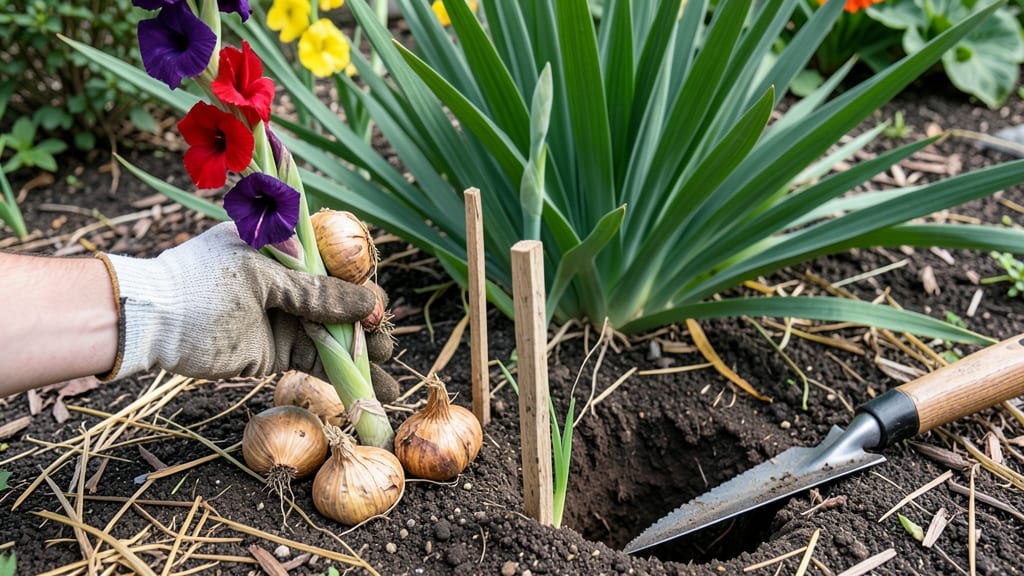
Timing when to plant gladiolus bulbs in Wisconsin isn’t just about the calendar—it’s about dodging frost, outsmarting unpredictable springs, and unlocking bold summer blooms that last from July to September. Plant too early, and a late frost will turn your bulbs into sad, mushy souvenirs.
Too late, and you’ll miss the 90-day race to full bloom before fall’s chill sets in.
I’ve learned the hard way that Wisconsin’s USDA Zones 4b-6a demand precision—your mid-April to mid-May window isn’t just a guess, it’s a formula tied to soil temperature and last frost dates.
Whether you’re in Milwaukee’s urban heat islands or rural areas where frost lingers, knowing when to tuck those bulbs 4-6 inches deep means the difference between a garden showstopper and a flop.
Here’s the game-changer: staggered planting lets you stretch those dramatic spikes from July through September, while mulching and smart variety choices keep blooms coming even when Wisconsin’s weather throws curveballs. Let’s break down the exact steps to turn your garden into a nonstop summer spectacle—without the guesswork.
From soil prep to post-planting care, I’ll show you how to beat Wisconsin’s short growing season and keep your Gladiolus 🌸 thriving—even when Mother Nature tests your patience. Ready to grow flowers that steal the show?
Wisconsin gladiolus planting dates by hardiness zone: frost-date formula
Wisconsin’s USDA Hardiness Zones 3-5 create unique challenges for gladiolus lovers—late frosts in spring and early frosts in fall demand precise timing. Unlike hardy perennials, gladiolus bulbs need warm soil (at least 55°F) to thrive, making the last frost date your best friend.
In Milwaukee, Madison, and Green Bay, this typically falls between mid-April and mid-May, but rural areas in Zone 3 may wait until late May.
For bold summer blooms, aim to plant gladiolus bulbs 2-3 weeks after your area’s average last frost date. This gives soil time to warm and reduces frost damage risk. Early varieties like ‘White Friendship’ can handle cooler soils, while late bloomers like ‘Black Star’ need warmer conditions.
Pro tip: Check your local frost-free date from the National Weather Service—it’s more accurate than general zone guidelines.
Use this frost-date formula to calculate your perfect planting window: Subtract 21 days from your last frost date for early varieties and 14 days for late bloomers. For example, if your last frost is May 10, plant early gladiolus on April 20 and late varieties on April 27.
This staggered approach ensures continuous blooms from July through September.
Wisconsin’s unpredictable springs mean you might face late frosts even after your average date. To protect your gladiolus, use row covers or plant in microclimates like south-facing slopes where warmth lingers. If frost threatens after planting, cover bulbs with straw mulch (3-4 inches thick) to insulate them until soil warms.
Don’t forget: Gladiolus bulbs cannot survive Wisconsin winters in the ground. After the first frost (typically mid-October), dig up corms, dry them, and store in a cool, dark place (40-50°F) until replanting next spring.
This annual cycle is key to long-term success—skipping storage guarantees lost bulbs and missed blooms.
For extended blooms, try a staggered planting strategy: Plant one-third of your bulbs every 2 weeks from late April through early June. This creates a sequential display that lasts up to 8 weeks.
Pair early varieties like ‘Picasso’ (red/yellow) with late bloomers like ‘Green Star’ (chartreuse) for a colorful progression all summer.
Soil preparation is just as critical as timing. Gladiolus thrives in well-draining soil with a pH of 6.0-6.8. Amend heavy clay soils with compost or sand to prevent rot.
Work in 2 inches of compost before planting and side-dress with balanced fertilizer (10-10-10) when shoots emerge. Avoid over-fertilizing—too much nitrogen produces leafy growth at the expense of blooms.
Watch for soil temperature cues: Use a soil thermometer to confirm
5 Pro tips to extend gladiolus blooms in Wisconsin’s short growing season
Wisconsin’s short growing season can feel like a race against time for gladiolus lovers, but with the right strategies, you can stretch those dramatic blooms from July through September.
The key is working with—not against—your climate by staggering plantings, protecting tender growth, and choosing varieties that thrive in your zone’s cool springs and unpredictable late summers.
I’ve learned that gladiolus bulbs planted too close together compete for nutrients, while those spaced too far apart waste garden space. The solution? A mix of timing precision and protective measures that turn Wisconsin’s challenges into opportunities for longer-lasting color.
Let’s dive into the five game-changing tactics that’ll keep your glads blooming like a summer parade.
- 📅 Stagger plantings every 2 weeks from mid-April to mid-May for continuous blooms (early varieties first, late varieties last).
- 🌡️ Mulch heavily (3-4 inches) with straw or straw mulch to regulate soil temps and prevent late-season frost damage.
- 🌸 Choose early (e.g., 'White Prosperity') and late-season (e.g., 'Black Star') varieties to extend bloom time by 8+ weeks.
- 🛡️ Use row covers in late May/early June to shield blooms from hail or unexpected frost.
- 💧 Water deeply at soil base (not leaves) to prevent fungal diseases like botrytis.
First up: staggered planting. Instead of dropping all your gladiolus corms into the ground at once, space them out in 2-week intervals starting in mid-April. This ensures you’ll have new blooms opening every few weeks—think of it like a rolling flower show instead of a one-time spectacle.
For example, plant 'Apricot Beauty' first (early bloomer), followed by 'Pink Parfait' two weeks later, and 'Black Star' last for a late-September finish.
Don’t overlook the power of mulching. Wisconsin’s soil can swing from chilly in May to scorching in July, and gladiolus roots need consistent warmth to thrive.
Apply a 3-4 inch layer of straw mulch right after planting—this keeps roots stable at 60-65°F, prevents soil crusting, and even deters weeds. Pro tip: Refresh the mulch in late June to extend its protective benefits through summer.
Variety selection makes all the difference in Wisconsin’s short bloom window. Opt for early-season varieties like 'White Prosperity' (blooms in early July) paired with late-season types like 'Green Star' (blooms in September).
This combo gives you 8+ weeks of color—perfect for cutting gardens or extended vase life. Just avoid mid-season varieties like 'Telemon', which often struggle in Wisconsin’s cool springs.
Wisconsin’s unpredictable late-season weather can turn a glorious gladiolus display into a sad, frost-nipped mess. That’s where row covers come in. Once your flower spikes emerge (usually late May to early June), drape frost cloth over the beds during cool nights or hail warnings.
Secure the edges with bricks or stakes to prevent wind damage. This simple step can save your blooms from 50°F dips that would otherwise ruin them.
Finally, watering wisdom is non-negotiable. Gladiolus roots are sensitive to fungal diseases like botrytis, which thrive in wet foliage. Always water at the base of the plant in the early morning to give leaves time to dry completely before evening.
Aim for 1 inch per week, adjusting for rain. During peak bloom (July-August), increase to 1.5 inches weekly—your glads will reward you with taller, sturdier stems.