
Plants
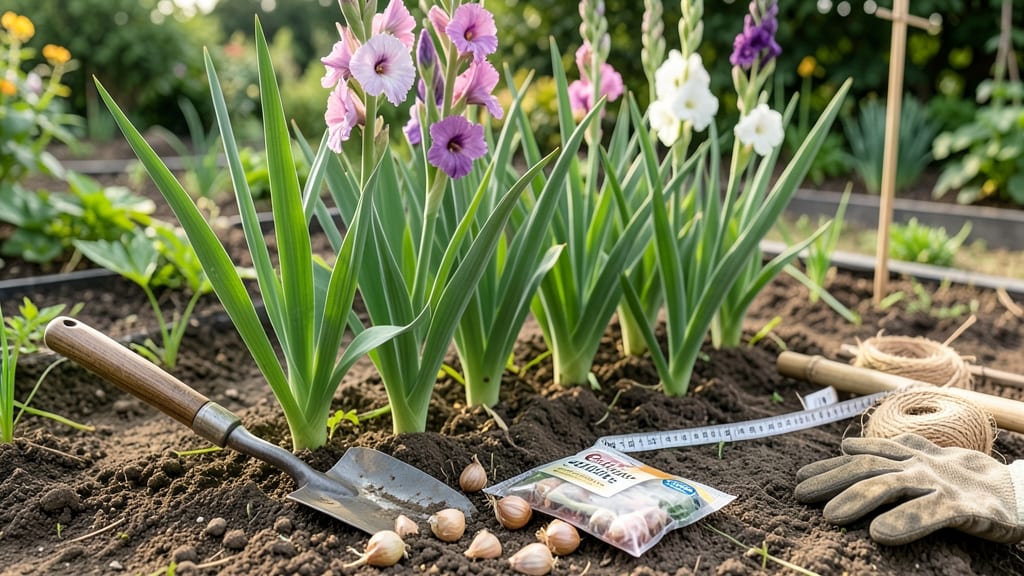
Timing your Gladiolus 🌸 planting in Florida isn’t just about the calendar—it’s about outsmarting the state’s unpredictable frost dates and sweltering heat. Plant too early, and a late frost could wipe out your corms before they even sprout.
Too late, and you’ll miss the summer blooms that make these towering flowers worth the effort.
Most gardeners in Florida’s 9a-11 zones swear by two planting windows: mid-February to early April for spring blooms, or August to September for fall displays. But here’s the catch—North Florida’s cooler pockets (like Zone 9a) need extra caution, while South Florida’s frost-free climate lets you plant almost year-round.
I’ve grown Gladiolus in Florida for years, and the key to success isn’t just picking the right month—it’s preparing your soil, spacing those corms correctly, and knowing when to hold off on watering during the hottest stretch.
Let’s break down the exact schedule (and mistakes to avoid) so your garden bursts with color come summer.
Whether you’re a first-time planter or a seasoned gardener, these Florida-specific tips will help you skip the guesswork. Ready to turn your yard into a stunning Gladiolus display? Let’s get started.
Optimal gladiolus planting dates in Florida by region
Florida’s diverse climate—from frost-prone North to frost-free South—means gladiolus planting dates vary dramatically. In North Florida (USDA Zones 8a–9a), late frosts can strike as late as March 15, while South Florida (Zones 10a–11) enjoys year-round warmth. Central Florida (Zones 9b–10a) falls in between, with milder winters.
Timing your gladiolus corms correctly ensures vibrant blooms from June through October without frost damage.
Gladiolus thrive in Florida’s heat but need precise timing to avoid early frost or overly hot summers that stress plants. The key is planting 80–90 days before your first expected frost (for fall blooms) or after your last frost date (for summer blooms).
For example, in Jacksonville (Zone 8b), plant in mid-February for summer flowers, while Miami (Zone 11) gardeners can plant year-round with August–September being ideal.
Here’s the breakdown by region: North Florida’s frost risk requires earlier planting, Central Florida offers flexibility, and South Florida’s tropical climate allows extended growing seasons. Use this guide to match your USDA zone and last frost date for foolproof timing.
In North Florida, where frost dates can linger into March, aim to plant gladiolus corms by early April for summer blooms. This gives them 80–90 days to mature before hot summer temperatures peak.
For example, in Gainesville (Zone 8b), planting in late February ensures blooms by June. Use row covers if planting earlier to protect from late frosts.
Central Florida offers a longer window, with Orlando (Zone 9b) allowing planting from late January through early May. This flexibility lets you stagger plantings for continuous blooms from May to September. Focus on well-draining soil to prevent root rot during Florida’s humid summers.
For South Florida, where frost is rare, August–September planting is ideal for fall blooms. Miami gardeners can even plant year-round in containers for extended color. The key is avoiding midday heat stress by providing afternoon shade during peak summer months.
Pro tip: Calculate your frost-free days by subtracting your last frost date from September 1 (gladiolus’ natural dormancy period). For instance, if your last frost is March 15, you have 170 frost-free days—perfect for two planting cycles: February and August.
Container gardening is a game-changer in Florida. Move pots to shadier spots during 100°F+ days to prevent bolting (premature flowering). In South Florida, this means partial shade from June to August. For in-ground plantings, amend soil with compost to improve drainage—critical for Florida’s clay-heavy soils.
Remember: Gladiolus hate soggy roots. In North Florida’s rainy springs, plant on mounds or use raised beds to prevent waterlogging. In South Florida’s wet summers, ensure containers have drainage holes and avoid overhead watering to reduce fungal diseases like botrytis.
With these region-specific dates, you’ll enjoy bold gladiolus blooms from June through November, even in
How to time gladiolus planting for summer blooms without frost risk
Timing your gladiolus planting in Florida is all about avoiding early frost while ensuring blooms arrive before summer’s heat peaks. Since gladiolus corms need 80–90 days to mature, you’ll want to plant them 6–8 weeks before your target bloom window.
In Florida’s USDA zones 9a–11, this means focusing on late summer to early fall for the most reliable results.
Florida’s frost-free periods vary wildly—North Florida can see frost as late as January 15, while South Florida rarely experiences frost at all. For summer blooms, aim to plant corms in August to ensure flowers appear by October or November, when temperatures are still mild.
If you prefer fall blooms, plant in September for a December–January show.
Check your local frost-free date (e.g., December 1 in North FL, none in South FL). Add 90 days to determine your latest planting window for summer blooms.
For summer blooms, plant in August (North FL) or July–August (South FL). For fall blooms, aim for September planting to flower by winter.
Gladiolus bolts (prematurely flowers) in extreme heat (>95°F). Plant in partial shade if your area hits consistent 90°F+ temperatures. Use mulch to retain moisture and cool roots.
Gladiolus thrive in well-draining soil with organic matter. Amend clay soil with compost or sand and ensure 6+ hours of sun daily. Plant corms 4–6 inches deep and 4–6 inches apart.
If flowers wilt before opening, increase watering frequency to bi-weekly. If they bolt prematurely, provide afternoon shade or use shade cloth during peak heat.
One of the biggest mistakes gardeners make in Florida is planting too early in spring, only to have unpredictable frost wipe out their corms. Since Florida’s last frost dates can vary by 30+ days between regions, always verify your local frost-free date before planting.
For example, in Jacksonville (Zone 8b), wait until after April 15, while Miami (Zone 11) can plant as early as March 1.
To extend your blooming season, consider successive planting. Start with a small batch in July for early summer blooms, then plant another batch in August for a fall display. This staggered approach ensures you enjoy gladiolus flowers from June through December, even in Florida’s heat.
Just remember: water deeply during dry spells and fertilize lightly every 4–6 weeks to support strong stems and vibrant blooms.
For container gardening in Florida, use large pots (12+ inches deep) with drainage holes and plant 2–3 corms per container. Place pots in full sun and water every 5–7 days to prevent root rot from Florida’s humidity.
Containers also let you move plants to shadier spots if temperatures soar above 95°F.
With the right timing, your gladiolus garden will reward you with dramatic spikes of color all summer long—just avoid the frost risk and heat stress, and you’ll be good to go! 🌸