
Plants
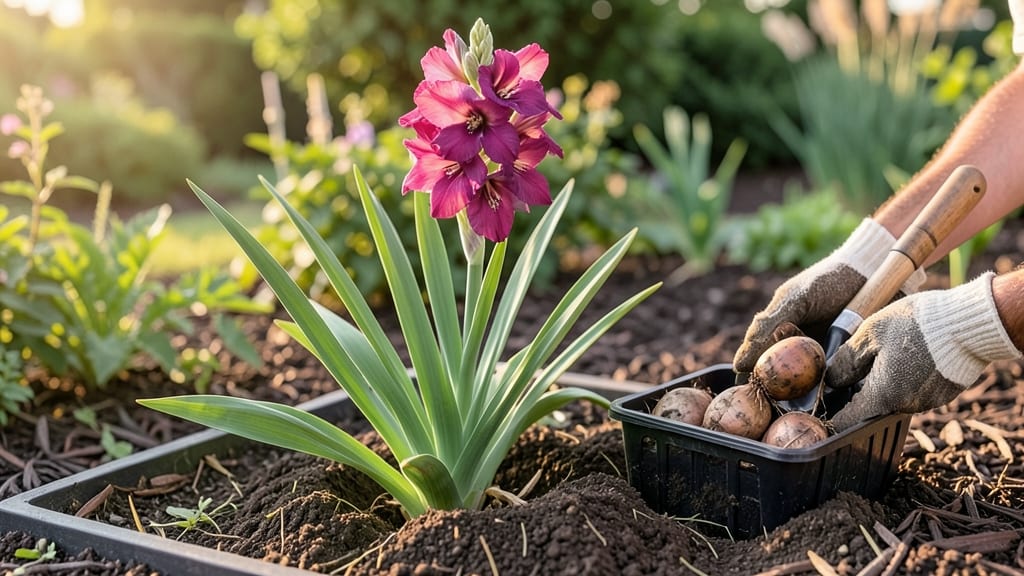
Timing your gladiolus planting in Maine isn’t just about the calendar—it’s about waiting for the soil to warm up to 60°F or higher. That’s the magic number that tells you it’s safe to tuck those 🌸 corms into the ground and watch them transform into towering summer blooms.
If you plant too early, cold soil can stunt growth or even rot those precious bulbs. But get it right, and you’ll enjoy vibrant gladiolus flowers from late July straight through September—just in time for Maine’s golden autumn. The key is patience and knowing when to act.
Most gardeners in zones 5b-6b aim for mid-May to early June, but don’t rush—wait for those frost-free days to stretch out. I’ll show you how to read the signs and adjust for Maine’s unpredictable weather, so you’re not left with wilting stems or missed opportunities.
Once you’ve mastered the timing, you’ll discover how staggered planting can turn a single burst of color into a continuous show. Let’s dive into the exact steps to make your gladiolus garden a standout in any Maine landscape.
Maine’s ideal gladiolus planting timeline based on soil temperature
Timing your gladiolus planting in Maine isn’t just about the calendar—it’s all about soil temperature. These dramatic summer bloomers need the ground to warm to at least 60°F (15°C) before you plant, or they’ll rot in cold soil.
With Maine’s USDA Zones 4-5 and coastal vs. inland differences, your exact window varies by location.
Northern Maine (Zones 4) typically waits until late May to early June, while southern Maine (Zones 5) can start as early as mid-May. Coastal areas often have a 1-2 week advantage due to milder microclimates.
Always check your last frost date—planting too soon risks damage from late frosts.
Here’s the key: Soil temperature matters more than air temperature. Use a soil thermometer to confirm your garden is ready. If you’re impatient, try container growing—gladiolus thrive in pots and can be moved outdoors when conditions are perfect.
| Region | USDA Zone | Last Frost | Planting Window | Soil Temp Threshold |
|---|---|---|---|---|
| Northern Maine | 4 | Late May | Late May–Early June | 60°F+ (15°C+) |
| Southern Maine | 5 | Mid-May | Mid-May–Late May | 60°F+ (15°C+) |
| Coastal Areas | 5 | Early May | Early–Mid-May | 60°F+ (15°C+) |
For northern Maine gardeners, aim for late May planting after the soil has warmed. If you’re in Zone 4, wait until you’ve had at least 3 consecutive days above 60°F. Inland areas may need to wait another week due to cooler nights.
In southern Maine, you can start as early as mid-May, but always verify with a soil thermometer. Coastal regions like Portland or Bar Harbor often see warmer soils earlier, giving you a 2-week head start over inland areas.
Pro tip: Stagger your planting by 2-3 weeks to extend your blooming season. Early plantings (mid-May) yield July flowers, while late plantings (early June) bloom in August-September. This ensures continuous color through the summer.
If you miss the ideal window, don’t despair—gladiolus corms can be pre-sprouted indoors under grow lights 4-6 weeks before outdoor planting. This gives you a 2-week extension for late starters. Just avoid planting when nighttime temps drop below 50°F (10°C).
Remember, well-draining soil is critical. Gladiolus hate soggy conditions, so amend heavy clay with compost or sand if needed. Mulch after planting to retain soil warmth and suppress weeds.
With the right timing, your gladiolus will reward you with bold, show-stopping blooms that last from July through frost. And in Maine, where summer feels fleeting, those vertical spikes of color are worth every bit of planning.
5 Critical factors that determine your gladiolus planting success in Maine
Planting gladiolus in Maine isn’t just about timing—it’s about creating the perfect conditions for these dramatic summer bloomers. While soil temperature guides when to plant, other factors like drainage, sunlight, and mulching can make or break your success.
Let’s break down the top 5 factors that will help your gladiolus thrive despite Maine’s cool, wet springs and short growing season.
Maine gardeners often struggle with waterlogged soil after spring rains, which can rot gladiolus corms before they even sprout. Meanwhile, late-season frosts or shady spots can stunt growth or prevent blooming entirely.
By focusing on these critical elements, you’ll set your gladiolus up for bold, long-lasting flowers from July through frost.
- Soil Drainage: Gladiolus hate soggy roots. Amend heavy Maine soil with compost or sand to create well-draining beds. Test drainage by digging a hole—if water pools after 6 hours, improve the site.
- Sunlight Exposure: These plants need 6+ hours of full sun daily. In Maine’s partial-shade gardens, choose south-facing spots or use reflective mulch to boost light.
- Bulb Quality: Start with firm, plump corms (size 12+). Avoid shriveled or soft bulbs—they won’t survive Maine’s cool, damp springs. Store them in a cool, dry place until planting.
- Mulching Strategies: Use straw or pine needles (not grass clippings) to retain moisture and regulate soil temps. In northern Maine, add mulch early to warm soil faster.
- Blooming Extension: Stagger plantings every 2-3 weeks to enjoy flowers from July through September. Choose early-, mid-, and late-season varieties for continuous color.
Let’s start with soil drainage, the most overlooked factor in Maine gardens. Gladiolus corms rot quickly in compacted or clay-heavy soil, which is common after our wet springs. To fix this, mix in coarse sand or perlite to create air pockets.
For raised beds, use a 50/50 blend of garden soil and compost—this gives roots the aeration they crave while holding enough moisture for Maine’s dry spells.
Next, sunlight exposure is non-negotiable. While Maine’s summers offer long daylight hours, partial shade from trees or buildings can weaken stems and reduce blooms. If your garden lacks full sun, consider container growing near a south-facing wall or use light-colored mulch to reflect extra sunlight onto the plants.
Even an extra 2 hours of sun can mean the difference between vibrant spikes and floppy stems.
Don’t underestimate the power of bulb quality. Many gardeners skip inspecting corms before planting, only to watch their investment fail. Look for smooth, firm bulbs with no soft spots or mold.
If buying online, check reviews for Maine-friendly suppliers—some ship corms too early, causing them to sprout in cold soil. For best results, plant size 12 or larger corms, as they produce taller, more robust blooms that stand up to Maine’s breezy summers.
Finally, mulching isn’t just about weed control—it’s a game-changer for Maine’s temperature swings. Apply a 3-inch layer of straw or pine needles after planting to insulate roots and keep soil moist.
In cooler northern Maine, mulch early (even before planting) to accelerate soil warming. Avoid organic mulches like grass clippings, which can matt and suffocate the corms.
With these 5 critical factors in place, your gladiolus will reward you with show-stopping blooms that last well into Maine’s autumn. The key is preparation—amend soil early, choose the sunniest spot, and invest in quality bulbs.
Soon, your garden will be the talk of the neighborhood with glorious gladiolus spikes reaching toward the sky! 🌸