
Plants
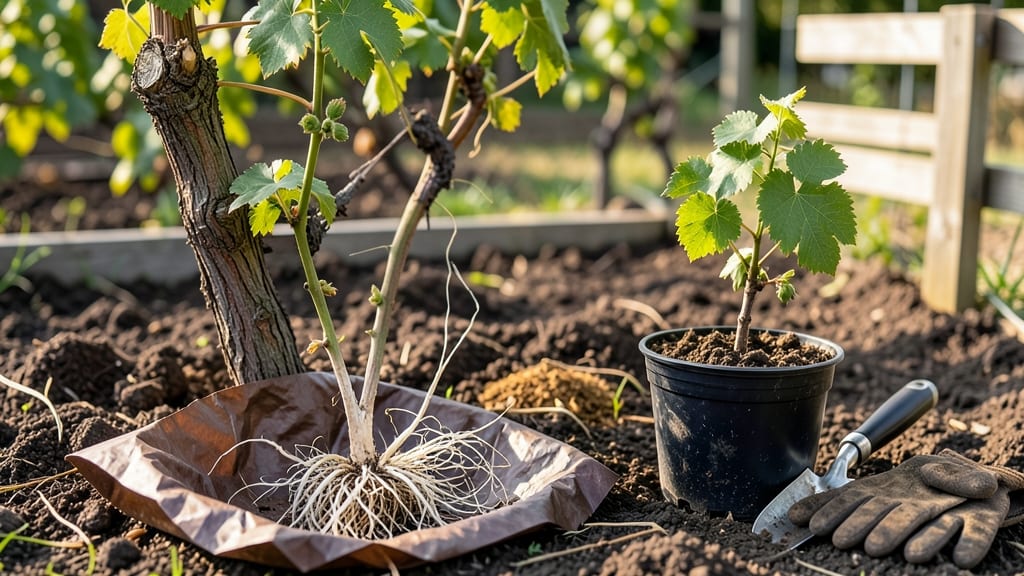
Planting grape vines in Texas at the wrong time can mean struggling with scorching heat or unexpected frost—two problems that could derail your dream of homegrown 🍇 clusters.
The good news? With the right timing, your vines will thrive in Texas's 8a-10b zones, setting you up for bountiful harvests from late summer through fall.
Most Texas gardeners swear by late winter to early spring (February-March) as the sweet spot for planting, but fall (September-October) also works beautifully.
This isn't just about the calendar—it's about giving your grape vines the best chance to establish roots before Texas's brutal summer heat or unpredictable winter chills kick in.
I've seen firsthand how a well-timed planting can transform a struggling vineyard into a thriving one. Whether you're working with heat-loving muscadines or more delicate vinifera varieties, understanding your local microclimate makes all the difference. Let me walk you through the exact windows that work best for your Texas zone.
We'll cover everything from soil prep to frost protection, so you can plant with confidence and watch your grape vines grow strong. Ready to turn your backyard into a grape-growing success story?
Best months to plant grape vines in Texas hardiness zones
Texas’s diverse climate—from freezing North Texas to tropical South Texas—makes timing critical for grape vine success. Plant too early, and frost will kill young roots; too late, and summer heat stresses new growth. The key? Align planting with your USDA zone’s last frost date while avoiding extreme heat.
Most Texas gardeners thrive with fall planting (September-October) or early spring (February-March), but the ideal window shifts by zone. Zone 7a (North Texas) needs extra frost protection, while Zone 10b (South Texas) can plant year-round with careful water management. Let’s break it down by zone for maximum survival rates.
For Zone 7a gardeners, I recommend waiting until late March to plant—this gives young roots time to establish before summer’s brutal heat. Use black plastic mulch to warm soil faster in cooler months.
In Central Texas (Zones 8a–8b), both fall and spring work, but fall planting gives vines a head start before winter dormancy.
Southern Texas (Zones 9b–10b) offers flexibility, but I’ve seen the best results when planting in October or January. The key is avoiding 90°F+ soil temps, which can scorch roots. If planting in summer, water deeply twice daily for the first 2 weeks to prevent shock.
Regardless of zone, soil prep is non-negotiable. Grape vines hate soggy roots, so amend clay soil with compost and sand for drainage. Test pH—aim for 6.0–6.5. In North Texas, I add a 4-inch layer of wood chips to insulate roots from winter freeze-thaw cycles.
Pro tip: Bare-root vines (dormant) plant best in winter/early spring, while potted vines can go in year-round. If buying potted, soak roots for 1–2 hours before planting to reduce transplant shock. For container growing, use a 5-gallon pot minimum—smaller pots = stunted vines.
After planting, mulch with straw or pine needles to retain moisture and suppress weeds. In Zone 10b, I use drip irrigation to avoid overhead watering, which spreads fungal diseases like powdery mildew. Monitor vines closely—yellowing leaves often signal overwatering or poor drainage.
Remember: Texas heat is relentless. Once established, grape vines handle drought, but young plants need consistent moisture. In East Texas (high humidity), prune for airflow to prevent fungal issues. For West Texas (low humidity)
With the right timing, your grape vines will reward you with juicy, homegrown fruit for decades. Start with your zone’s ideal window, prep soil like a pro, and watch those vines thrive—no frost or heat stress in sight! 🍇
How to choose the perfect planting time for your Texas grape variety
Choosing the right time to plant grape vines in Texas depends on your grape variety and local climate conditions. Texas growers must balance heat tolerance with dormancy needs, especially when selecting between muscadine and vinifera varieties.
Urban areas with heat islands may require earlier planting than rural zones, while frost pockets demand extra caution. Let’s break down the key factors to help you pick the best window for your vines.
Texas spans USDA zones 7-10, creating diverse microclimates. Muscadine grapes thrive in the heat and humidity of zones 8-10, while vinifera varieties prefer cooler zones 7-9. For example, Noble grapes (a muscadine) can handle 100°F+ temperatures, but Cabernet Sauvignon may struggle in zone 10’s extreme heat.
Always check your variety’s heat tolerance ratings before planting.
🌱 Planting Time Pros & Cons for Texas Grape Varieties
Spring Planting (Feb-March)
- Pros: Vines establish roots before summer heat
- Cons: Risk of late frost damage in zones 7-8
Fall Planting (Sep-Oct)
- Pros: Cooler temps reduce transplant shock
- Cons: Limited root growth before winter dormancy
Urban Planting Adjustments
- Pros: Container planting offers flexibility
- Cons: Heat islands require extra watering
Rural Planting Adjustments
- Pros: Natural soil drainage improves root health
- Cons: Frost pockets may delay spring planting
💡 Key Tip: For zones 9-10, consider bare-root planting in late fall (Nov) to avoid summer stress.
Urban gardeners face unique challenges like heat islands and limited space. If you’re planting in containers, opt for dwarf varieties like Black Beauty muscadine and plant in late winter (Feb) to avoid summer heatwaves.
Urban soils often retain too much moisture, so amend with perlite or sand to improve drainage. Rural growers, on the other hand, can plant 1-2 months earlier (Jan-Feb) in zones 7-8 to avoid late frosts.
Dormancy needs vary by variety. Vinifera grapes require 100-200 chill hours (below 45°F) to break dormancy, making them ideal for North Texas (zones 7-8). Muscadines, however, thrive with fewer chill hours and are better suited for East and South Texas (zones 8-10).
If you’re in zone 9-10, avoid planting vinifera varieties—they may fail to fruit without sufficient winter chill.
Adjust your planting timeline based on soil temperatures. Ideal soil temps for planting are 60-70°F. In North Texas, wait until mid-March to ensure frost risk has passed. In South Texas, plant in late winter (Feb) to take advantage of cooler months.
Always monitor local frost dates—the Texas A&M AgriLife Extension provides updated frost maps for precise planning.
For potted grapevines, timing is flexible. You can plant year-round in containers, but late winter (Feb) or early fall (Sep) still offer the best conditions. Use well-draining pots and move containers to shaded areas during peak summer heat (June-Aug).
Mulch heavily to retain moisture and protect roots from temperature swings. Whether you’re in urban Dallas or rural El Paso, these adjustments will help your vines thrive.
Remember, the best planting time depends on your variety, location, and microclimate. Start with bare-root plants in cool months, amend your soil, and provide full sun exposure.
With the right timing, you’ll enjoy a bountiful harvest of homegrown Texas grapes in just a few years! 🍇