
Plants
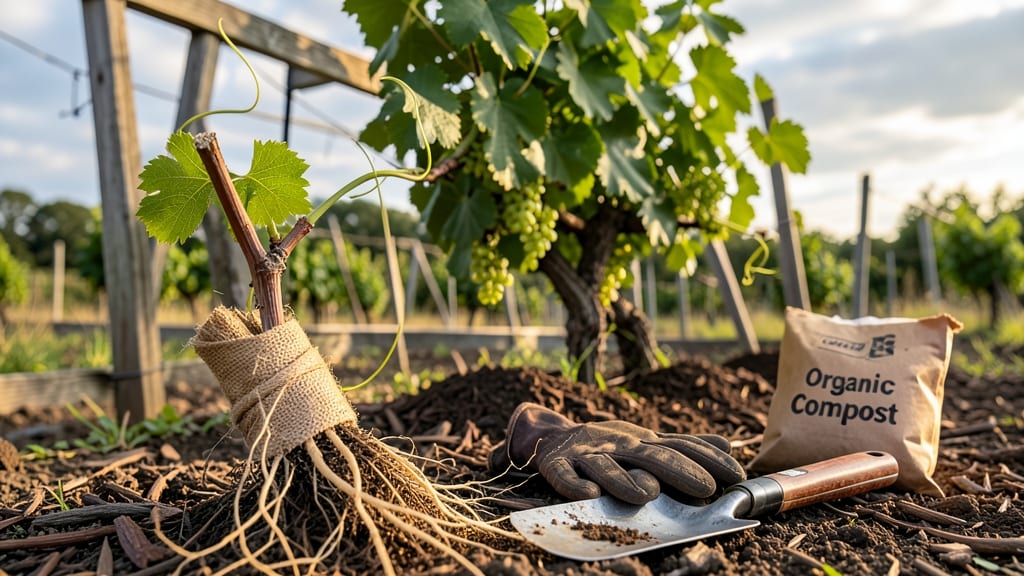
Planting grapes in California at the wrong time can mean struggling vines or lost harvests—but get the timing right, and you’re set for years of sweet 🍇 clusters.
The key isn’t just knowing when to plant; it’s matching your variety to your region’s microclimate, whether you’re in frost-prone Central Valley or the milder Coastal zones.
Most gardeners assume spring is the only window, but California’s diverse zones (8-11) actually offer three ideal planting seasons: winter dormancy (November–March) for bare-root vines, early spring (February–April) for inland areas, and even late winter for coastal spots where frost is rare.
The difference between these windows can mean the gap between thriving vines and a failed crop.
I’ve seen firsthand how a single month’s mistake can set back a vineyard for years—so let’s break down the exact planting schedule for your favorite varieties, from Zinfandel to Thompson Seedless, plus soil prep tricks to give your grapes the best start.
Ready to turn your backyard into a vineyard?
We’ll also cover how to avoid common pitfalls, like planting too early in frost zones or skipping trellis setup, so your grapes grow strong and your harvests are bountiful. Whether you’re a backyard grower or dreaming of a commercial vineyard, these insights will save you time, money, and frustration.
Best spring planting windows for grapes in California by variety
California’s diverse microclimates mean your grapes thrive best when planted at the right time—too early, and frost zaps tender roots; too late, and summer heat stresses young vines. The ideal spring planting window varies by variety and region, with Northern California needing cooler timing than Southern California.
Let’s break it down by your favorite grapes to maximize yields and vine health.
For Cabernet Sauvignon and Zinfandel, the Central Valley and Southern California regions offer a longer planting window, while Chardonnay and Thompson Seedless in cooler coastal areas must be planted earlier to avoid spring rains.
Soil temperatures below 50°F (10°C) signal readiness—use a soil thermometer to confirm. Planting bare-root vines in dormant season (late winter/early spring) ensures stronger roots before summer heat arrives.
Here’s your region-by-variety planting guide, including critical soil temperature thresholds and frost-free dates to avoid. Use this as your roadmap to successful grape establishment:
Notice how Thompson Seedless and Chardonnay have earlier windows in Northern California? That’s because coastal areas like Sonoma and Santa Barbara experience later frosts (February 1 average) compared to Central Valley (December 15).
For Zinfandel and Cabernet Sauvignon, wait until soil warms to 55°F (13°C)—these varieties hate cold snaps after planting.
Pro tip: Bare-root vines should be planted within 24 hours of purchase to prevent desiccation. Soak roots in water mixed with mycorrhizal fungi for 2–4 hours before planting to boost early root growth.
In Southern California, where frost is rare, you can extend planting until late April, but prioritize shade cloth during summer to protect young vines from 100°F+ temperatures
How to prepare your California vineyard site for spring planting
Spring is the perfect time to prepare your California vineyard for grape planting, but success starts long before you set those first vines in the ground. California’s diverse microclimates—from frost-prone Central Valley to mild coastal regions—require tailored soil prep to ensure your grapevines establish strong roots and thrive.
Start by testing your soil pH, which should ideally fall between 5.5 and 6.5 for optimal grape growth.
If your soil is too alkaline or compacted, amend it with compost or aged manure to improve drainage and nutrient retention. California’s clay-heavy soils in inland areas, like the Central Valley, often need sand or perlite to prevent waterlogging, while coastal regions may benefit from organic matter to retain moisture.
Don’t forget to clear weeds and debris to minimize competition for nutrients and reduce disease risks.
🌱 Key Takeaway: California Grape Planting Timeline
Rootstock Tip: Match rootstock to your grape variety (e.g., Riparia for drought-prone areas).
Drainage is critical in California’s varied climates. In low-lying areas or regions with heavy rainfall, like parts of Northern California, ensure your planting site has a 1–2% slope to prevent water pooling.
For flat terrain, create raised beds or install French drains to redirect excess water. Poor drainage can lead to root rot, which is fatal for grapevines.
Choosing the right rootstock is another game-changer. For example, Cabernet Sauvignon thrives on Riparia Gloire rootstock in dry inland areas, while Thompson Seedless pairs well with 1103 Paulsen for table grapes.
Always select rootstock that matches your soil type and climate—this step alone can improve yield and disease resistance by up to 30%.
Before planting, install a trellis system to support your vines and improve airflow, reducing fungal diseases like powdery mildew. Use T-bar or kniffin trellises, which are popular in California vineyards for their durability and ease of maintenance.
Space trellises 6–10 feet apart, depending on your grape variety and expected vine size.
Finally, mulch around your newly planted vines with straw or wood chips to conserve moisture and suppress weeds. In hot inland areas, mulch also protects roots from extreme temperature fluctuations.
Water deeply after planting to settle the soil and encourage root growth, but avoid overwatering, which can suffocate roots in California’s heavy soils.
With these steps, your California vineyard will be ready for spring planting, setting your vines up for a healthy, productive harvest. The key is patience—grapevines take time to establish, but the effort pays off with robust vines and bountiful fruit. Happy planting! 🍇