
Plants
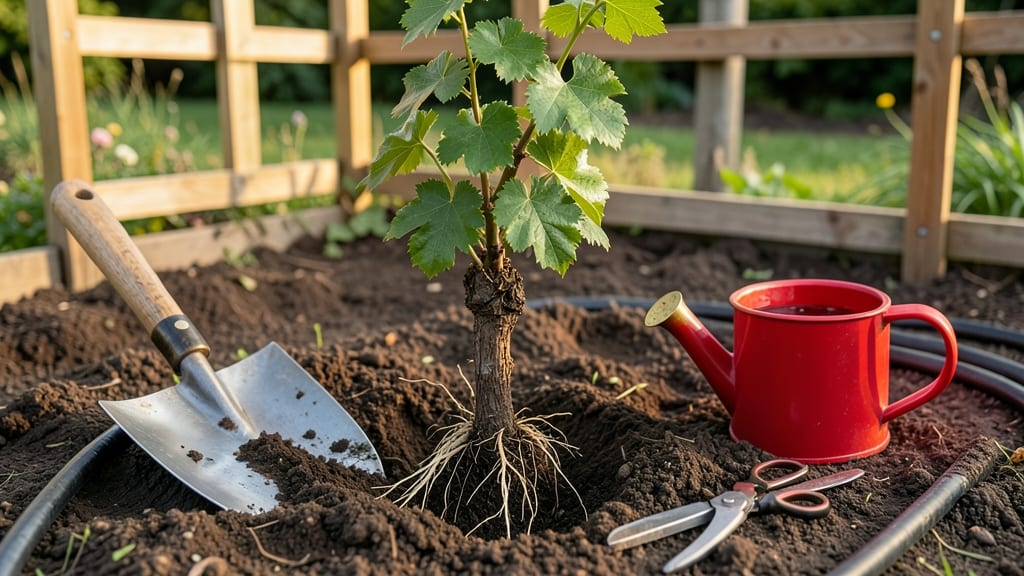
Planting grapes in Colorado isn’t just about grabbing a vine and sticking it in the ground—it’s about outsmarting the state’s unpredictable frost dates and short growing seasons.
Whether you’re in the high-altitude valleys of USDA Zone 5 or the warmer plains of Zone 7, timing matters more than you might think. Miss the window, and your 🍇 vines could freeze before they even take root.
Most Colorado gardeners swear by spring planting in April or May, when the soil warms enough to prevent root shock but before late frosts creep back. But fall planting in early September works too, giving roots time to establish before winter.
The key? Knowing your last frost date—because a 5-minute miscalculation could mean the difference between a thriving vineyard and a sad, frozen mess.
Here’s the game-changer: soil temperature and microclimates play just as big a role as the calendar. High-altitude gardens (think 6,000+ feet) need extra protection, while urban heat islands might let you plant a little earlier.
I’ll break down exactly how to read your local frost-free zone map and adjust your planting strategy—so you can grow grapes that ripen perfectly every season.
Ready to turn your backyard into a grape-growing powerhouse? Let’s dive into the exact steps to plant your vines at the ideal time, no matter where in Colorado you live.
Colorado’s frost-free zones: best planting months by region
Colorado’s USDA Hardiness Zones 4-7 create dramatic differences in grape-growing success. In Zone 7 (Denver metro, Pueblo), last frosts average April 15, while Zone 5 (Steamboat, Grand Junction) can see frost until May 15.
These timelines determine whether your Concord grapes or Frontenac vines thrive or freeze before fruiting.
Your planting window hinges on two critical factors: elevation adjustments and variety hardiness. Front Range gardens (5,000-7,000 ft) have shorter growing seasons than Western Slope (4,000-6,000 ft).
For example, wine grapes like Cabernet Franc need 150+ frost-free days, while cold-hardy table grapes like Niagara tolerate 120 days.
Here’s your region-specific planting calendar for Colorado grapes, accounting for frost risks and elevation differences:
For Front Range gardeners in Zone 5, aim to plant bare-root vines in late April when soil temperatures reach 50°F. This gives your Concord grapes enough time to establish roots before summer heat.
In Zone 7 areas like Pueblo, you can start as early as mid-March—just monitor CoCoRaHS frost alerts for local updates.
Elevation plays tricks on timing. A 6,500 ft Denver garden might have 130 frost-free days, while a 4,500 ft Grand Junction vineyard enjoys 150+ days. Adjust by choosing earlier-maturing varieties (like Frontenac) for high-altitude sites or longer-season grapes (like Cabernet Sauvignon) for lower elevations.
Pro tip: Use a soil thermometer to confirm 50°F soil temps before planting. Cold soil delays root growth, leaving young vines vulnerable to late spring frosts. In Zone 4 areas, consider container planting with black plastic mulch to warm roots faster.
Fall planting is riskier but works if you plant 6-8 weeks before first frost. For Colorado, that means early September in most zones. Choose dormant vines and mulch heavily with straw or wood chips to protect roots during winter.
Remember: Wine grapes need more heat than table grapes. If you’re growing Cabernet Franc in Zone 6, push planting to mid-April and use windbreaks to protect young canes from Chinook winds that can desiccate tender shoots.
Your grape’s success starts with the calendar—but don’t forget well-draining soil and full-sun exposure! With these timing tips, your Colorado vineyard will be thriving by harvest season. 🍇
How to adjust planting time for grapes in Colorado’s microclimates
Colorado’s microclimates can shift grape planting windows by weeks—even between neighboring towns. At 6,000+ feet elevation, like in Denver or Boulder, vines need 2-4 weeks earlier planting than in lower desert areas like Pueblo.
The key? Soil temperature, not just calendar dates. Wait until the ground reaches 50°F (10°C) at 6 inches deep—use a soil thermometer to avoid false starts.
Urban heat islands in cities like Colorado Springs or Aurora create microclimates where last frost dates arrive 10-14 days earlier than rural areas. Check CoCoRaHS frost data for your exact ZIP code—these local networks track real-time frost risks better than USDA zone maps.
For example, Fort Collins (Zone 5) might see May 10 as its safe planting date, while Grand Junction (Zone 7) can plant April 15.
⚠️ Colorado’s Frost Trap Danger
Low-lying areas and valleys (like Parker or Palmer Lake) hold cold air longer, delaying planting by 2-3 weeks. Windy plains (e.g., Yuma) dry soil faster—mulch heavily to retain moisture. Never plant before May 1 in high-altitude zones without row covers ready!
For high-altitude gardens above 7,000 feet, like in Leadville or Steamboat Springs, extend your season with black plastic mulch or straw bales. These raise soil temps by 5-10°F, letting you plant Concord grapes in late April instead of waiting for June.
Pair this with windbreaks—even a bamboo fence reduces drying winds that stunt young vines.
In urban heat islands, like Denver’s downtown, grapes ripen 2 weeks faster than in suburbs.
Monitor canopy temperature—if leaves feel hot to touch by midday, provide 30% shade cloth to prevent sunburn. Drip irrigation at dawn keeps roots cool while delivering 1-2 inches of water weekly during fruit set.
Windy plains (e.g., Lamar or Limon) demand staking vines immediately—use T-posts with 4-foot trellis wire to prevent root exposure. Bury the trellis 12 inches deep to anchor it against 40+ mph winds.
For fall planting (early September), choose cold-hardy varieties like Frontenac and cover with frost blankets until roots establish.
Pro tip: Test your soil in March—Colorado’s alkaline soils (pH 7.5+) need sulfur amendments for grape vines. Aim for pH 6.0-6.5 and amend with composted manure or peat moss. Once planted, mulch with straw to insulate roots during freeze-thaw cycles common in Zone 5 areas.