
Plants
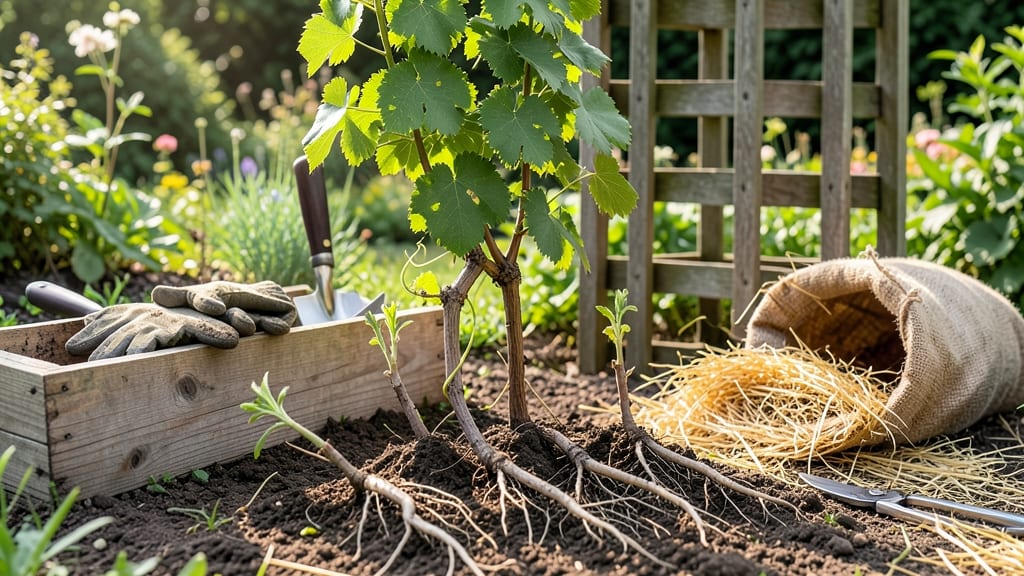
Planting grapes in North Carolina isn’t just about picking a month—it’s about matching your variety to your zone’s chill hours, avoiding frost traps, and timing the soil just right.
With USDA zones 6b-8a across the state, your coastal Muscadines need a different approach than your Piedmont Norton, and getting it wrong could mean years of struggling vines.
The ideal window for 🍇 grapes in NC is late winter to early spring (February–April) for bare-root vines or fall (September–October) for container-grown plants—but that’s just the start.
I’ll break down how to align your planting with your zone’s last frost date, soil prep secrets for sandy vs. clay soils, and why some growers swear by fall planting for stronger roots.
You’ll also discover how microclimates in the mountains vs. the coast shift your timeline by weeks, plus the one mistake that ruins 80% of NC grape plantings before they even take root.
Whether you’re a backyard gardener or dreaming of a small vineyard, these insights will help you plant with confidence.
Ready to skip the guesswork? Let’s dive into the exact months, varieties, and soil tricks that’ll give your grapes the best possible start—no matter where you are in the Tar Heel State.
NC grapes planting timeline by chill-hour Zone: what you must know
North Carolina’s 7a-8b zones create unique challenges for grape growers, where chill-hour requirements dictate planting success. In Zone 7a (mountains), vines need 800-1,000 chill hours, while Zone 8b (coastal) varieties thrive with just 200-400 hours.
Timing your planting window—whether bare-root or potted vines—directly impacts root establishment and first-year survival.
Most NC growers plant in late winter to early spring (February-April) for bare-root vines, but fall planting (September-October) works better for container-grown varieties.
The key is planting 4-6 weeks before last frost—typically mid-March in the mountains and early March near the coast—to allow roots to establish before summer heat.
Here’s how your chill-hour zone affects planting deadlines and dormancy timing:
| Zone | Chill Hours | Bare-Root Planting Window | Potted Vine Window | Last Frost Date |
|---|---|---|---|---|
| 7a (Mountains) | 800-1,000 | Feb 15 – Mar 15 | Sep 1 – Oct 15 | Mar 15 – Apr 1 |
| 7b (Piedmont) | 600-800 | Feb 20 – Mar 20 | Sep 15 – Oct 10 | Mar 1 – Mar 15 |
| 8a (Central NC) | 400-600 | Mar 1 – Mar 25 | Sep 20 – Oct 5 | Feb 28 – Mar 10 |
| 8b (Coastal) | 200-400 | Mar 10 – Apr 1 | Sep 25 – Oct 1 | Feb 15 – Feb 28 |
For Muscadine grapes (common in Zone 8a-8b), fall planting is ideal—these heat-loving varieties benefit from established roots before summer. In contrast, Vinifera varieties (like Cabernet Sauvignon) need Zone 7a’s cooler winters and should be planted bare-root in late winter to avoid summer stress.
Pro tip: Soil temperature matters just as much as air temperature. Wait until soil reaches 50°F (10°C)—use a soil thermometer—before planting bare-root vines. Cold soil slows root growth and increases root rot risk.
In Zone 7a, this often means waiting until mid-March, while Zone 8b growers can start as early as February.
If you’re planting container-grown vines in fall, aim for 6-8 weeks before first frost—typically early October in the mountains and mid-September near the coast.
This gives roots time to establish before winter dormancy. Water deeply after planting and mulch with 4-6 inches of straw to retain moisture and regulate soil temperature.
One common mistake? Planting too late in spring after buds have swollen. By April 15, vines in Zone 7a may already be breaking dormancy—planting then risks frost damage to emerging shoots.
Always check your local Cooperative Extension Service for microclimate adjustments, especially in valleys or coastal areas where frost patterns differ.
For dormant vines, store bare-root plants in a cool (32-40°F), moist environment until planting. If you’re unsure about timing, potted vines offer flexibility—they can be planted anytime roots aren’t frozen, but fall is best for root establishment before winter.
Remember: Grapes are perennial, so first-year care sets the stage for decades of harvests. Prioritize well-draining soil, full sun exposure, and proper trellising from day one.
With the right timing, your NC grapevine could be bearing fruit in just 2-3 years—not the 5+ years some varieties require.
Top 5 NC-grown grape varieties and their ideal planting months
Choosing the right grape variety for your North Carolina zone is half the battle—timing the planting is the other half. With chill-hour needs ranging from 200 to 1,000+ hours, your location dictates when to plant.
Coastal areas like Wilmington (Zone 8a) can plant Scuppernongs in September, while the mountains (Zone 6b) should stick to Norton in late winter. Let’s break down the top 5 NC-friendly varieties and their perfect planting windows.
First, consider your USDA zone and chill-hour requirements. For example, Muscadines thrive in warmer zones (7b+) with 200-400 chill hoursVinifera grapes need 800-1,000+ chill hours and are best suited for the Piedmont or mountain regions.
Below, I’ve ranked the top 5 varieties by ease of cultivation and yield potential, along with their ideal planting months.