
How To
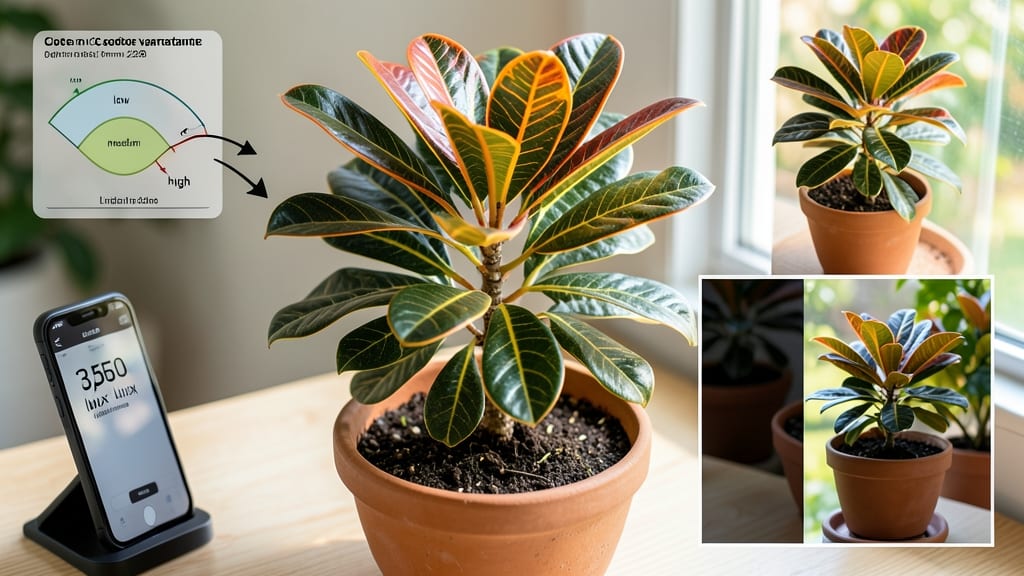
How much light does a croton plant need to keep its foliage vibrant? Bright indirect sunlight is the game-changer for those stunning leaves—but too much or too little can turn them dull or crispy. If you’ve ever watched your croton’s colors fade or new growth stretch leggy toward the window, you’re not alone.
Crotons thrive in 6+ hours of bright, filtered light daily, whether indoors near an east- or west-facing window or outdoors in partial shade. The key is avoiding harsh afternoon sun, which can scorch delicate leaves, while ensuring they get enough light to maintain their signature reds, oranges, and yellows.
I’ll show you exactly how to spot the signs of underlighting (pale leaves) or sunburn (brown patches) and how to adjust your croton’s light exposure—whether you’re dealing with a low-light apartment or a sunny patio. Let’s keep those leaves popping!
From grow lights for indoor setups to seasonal outdoor adjustments, you’ll learn the easiest ways to create the perfect light balance for a croton that stays bold and healthy year-round.


Optimal light requirements for croton plants: bright indirect sunlight explained
Croton plants (Codiaeum variegatum) are famous for their striking, multicolored foliage, but those vibrant hues fade when light conditions aren't ideal. Unlike sun-loving succulents, crotons thrive in bright indirect sunlight—a balance that mimics their native tropical understory habitats.
Too little light dulls their colors, while too much causes leaf scorch and crispy edges. Let's break down exactly how to meet their needs.
Understanding light intensity is key. Crotons fall into the medium-light category, requiring 6+ hours of filtered sunlight daily. This means positioning them where they receive ample light without direct sun exposure during peak hours.
Think of it like a sunbathing session with SPF—enough rays to stay healthy, but protected from harsh UV damage.
For indoor crotons, the best windows are east or west-facing, where morning or late-afternoon sun provides gentle light without the intense midday rays. If your home only has south-facing windows, place your croton 3-4 feet back from the glass and use a sheer curtain to diffuse harsh light. I’ve found that rotating my plant quarter-turns weekly ensures even growth and prevents lopsided exposure.
Outdoor crotons love partial shade—think dappled sunlight under a tree canopy or on a covered patio. In summer, move potted crotons to morning sun only, bringing them indoors by 10 AM to avoid afternoon heat stress.
I’ve successfully kept mine thriving on a shaded balcony with just 3 hours of direct morning sun and the rest indirect light.
Watch for visual cues that reveal light imbalances. Leggy growth with sparse leaves signals insufficient light, while crispy brown edges or bleached patches mean too much direct sun.
Even color fading from vibrant orange to dull green is a red flag. Adjust placement gradually—sudden light changes can shock your plant, causing leaf drop or stunted growth.
Seasonal adjustments are crucial. In winter, when daylight is shorter, supplement with a grow light for 12-14 hours daily to maintain health. I use a full-spectrum LED bulb on a timer near my croton’s favorite windowsill.
During summer, increase airflow with a small fan to help the plant recover from any accidental sunburn.
Pro tip: Test your light conditions with a light meter app (many are free for smartphones). Aim for 2,000-4,000 foot-candles of light—this range keeps crotons happy without risking damage. If you’re unsure, start with medium light and adjust based on your plant’s response over 2-3 weeks.
Remember, crotons are forgiving but finicky. They’ll let you know when something’s off—whether it’s drooping leaves from underwatering or yellowing foliage from overwatering in low light. By mastering their light needs, you’ll unlock bold, vibrant growth that makes these plants a showstopper in any space. 🌿
How to adjust light for different croton Varieties and growth stages
Not all crotons are created equal when it comes to light needs. The juvenile leaves of your Codiaeum variegatum may crave gentler sunlight than the mature foliage of a Croton petraeus.
Understanding these differences is key to preventing sunburned tips or leggy, pale growth. Let’s break down how to adjust light for each stage and variety without shocking your plant.
For new leaves emerging on young crotons, I always start with bright indirect light—think east-facing windows or filtered afternoon sun. These tender shoots are more sensitive to intense UV rays, which can scorch them before they fully develop.
Mature leaves, on the other hand, often handle 2-3 hours of morning sun without issues, but always monitor for color shifts.
Here’s how to fine-tune light exposure for your croton’s specific needs:
- 1. Juvenile Crotons: Place near east windows for 3-4 hours of light daily. Avoid south-facing windows—they’re too intense.
- 2. Mature Leaves: Gradually introduce morning sun (up to 2 hours) once leaves harden. Rotate the pot quarter-turns weekly for even growth.
- 3. Variegated Varieties: Croton ‘Petra’ needs more light than solid-green types. Use sheer curtains to diffuse harsh afternoon rays.
- 4. Transitioning Indoors: Move plants outdoors slowly—start with 1 hour/day, then increase by 30 minutes every 3 days to avoid sun shock.
- 5. Low-Light Recovery: If leaves fade, supplement with a grow light 6 inches away for 12 hours/day. Use a full-spectrum bulb to mimic natural light.
When adjusting light for outdoor crotons, pay attention to seasonal changes. In summer, I relocate my potted crotons to partial shade by 11 AM to prevent leaf scorch.
Conversely, winter’s weaker sunlight might require moving them closer to a south window or adding a grow light for 10-12 hours/day.
For new leaves struggling to unfurl, I’ve found that increasing humidity (via a pebble tray) alongside bright indirect light helps them unfold properly. This combo mimics their tropical origins and prevents crispy edges.
If your croton’s new growth looks pale, it’s likely light-starved—try a south-facing window with a sheer curtain.
Remember, gradual changes are critical. A sudden move from low light to full sun can cause irreversible damage in just 24 hours. I always test a plant’s tolerance by placing it in a shadier spot first, then slowly increasing exposure over 1-2 weeks.
Patience here pays off with vibrant, healthy foliage.
🌿