
Plants
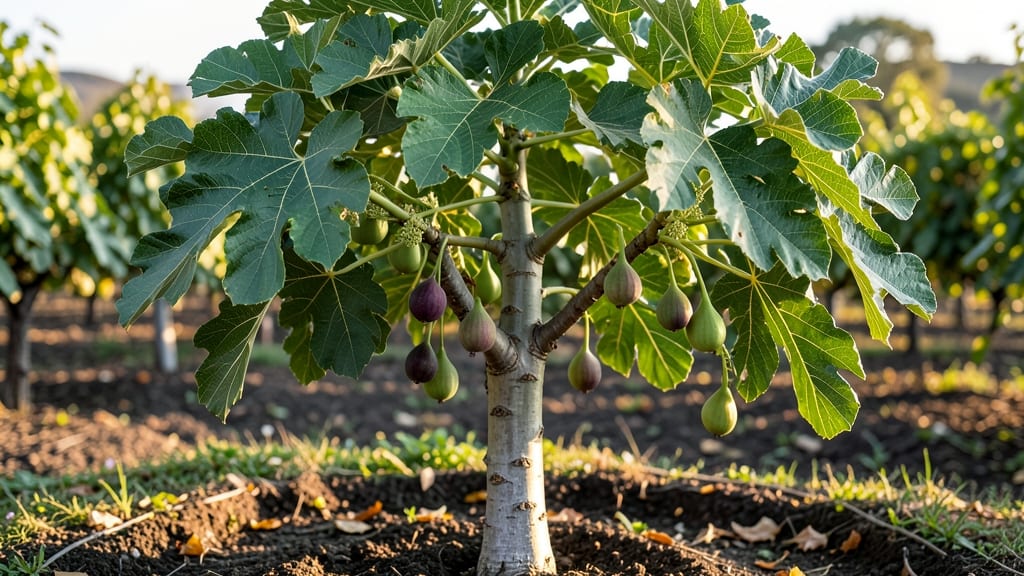
To keep your 🍈 fig thriving and loaded with sweet fruit, you might be surprised by how much light a fig plant needs—more than you’d expect for a "sun-loving" plant.
While most gardeners assume "full sun" means dumping their fig in the harshest spot, the truth is far more nuanced, especially in USDA Zone 6a where cooler summers can trick even experienced growers.
The sweet spot for most fig varieties isn’t just about hours—it’s about intensity. A common fig (like 'Brown Turkey') craves 6-8 hours of direct light, but too much midday sun in peak summer can scorch leaves faster than you can say "harvest season."
Meanwhile, indoor dwarf figs? They’ll stretch like over-caffeinated teenagers if left in a dim corner, no matter how much you water them.
Here’s the game-changer: figuring out whether your fig is begging for more light—or begging for shade. We’ll break down the exact signs to watch for (yellowing leaves?
Brown patches? No fruit at all?), plus how to tweak placement whether you’re growing outdoors in your April-May planting window or coaxing fruit indoors under grow lights.
By the end, you’ll know not just how much light your fig needs, but when to adjust it—so you’re not left with sad, leafless branches by August harvest time. Let’s get started.


Fig plant sunlight requirements: ideal hours and light intensity for growth
Fig trees thrive when they receive the right amount of sunlight, but their needs vary dramatically depending on the variety.
Whether you're growing a common fig (Ficus carica), a Chicago Hardy fig, or a desert fig like 'Brown Turkey', understanding these differences is key to maximizing growth and fruit production.
Too little light leads to sparse foliage and no fruit, while too much can scorch leaves and stress the plant—especially in hot climates.
Sunlight isn't just about hours; it's also about light intensity and seasonal adjustments. For example, a desert fig planted in Arizona needs full sun year-round, while a Chicago Hardy fig in Zone 5 might need afternoon shade in summer.
Let's break down the exact requirements for each type so you can position your fig tree for success.
| Fig Variety | Minimum Sunlight Hours | Ideal Light Intensity | Seasonal Adjustments | Growth Impact |
|---|---|---|---|---|
| Common Fig (Ficus carica) | 6-8 hours | Full sun to partial shade (60% sun) | Reduce to 4-5 hours in peak summer | Maximizes fruit production |
| Chicago Hardy Fig | 5-6 hours | Partial shade (40-50% sun) | Can tolerate 3-4 hours in winter | Balances cold hardiness and growth |
| Desert Fig (e.g., 'Brown Turkey') | 8+ hours | Full sun (direct sunlight) | No reduction needed | Prioritizes heat tolerance over shade |
For common figs, the sweet spot is 6-8 hours of sunlight daily, with a mix of direct sun and partial shade to prevent leaf scorch.
These varieties are the most versatile and can adapt to both indoor and outdoor settings, but they need at least 4 hours of morning sun to trigger fruit production. In hot summers, reduce exposure to 4-5 hours to protect leaves while still encouraging fruit development.
If you're growing a Chicago Hardy fig, which is bred for colder climates, aim for 5-6 hours of sunlight with partial shade (40-50% sun). These trees handle winter better than other figs, but they still need bright light to produce fruit.
In winter months, they can tolerate as little as 3-4 hours of sunlight, making them ideal for northern gardens or container growing in cooler zones.
Desert figs, like the popular 'Brown Turkey' variety, are the most sun-loving figs and require 8+ hours of full sun daily. These varieties thrive in arid climates and won't produce fruit if deprived of direct sunlight. Unlike other figs, they don't need seasonal adjustments—they crave intense light year-round. If you're in a hot, dry region, ensure they have access to well-draining soil and consistent watering to prevent stress.
One common mistake I see is assuming all figs need the same light conditions. For example, placing a Chicago Hardy fig in full sun will stress it, while a desert fig left in partial shade will fail to fruit.
Always match your fig variety to its native light conditions. If you're unsure, start with 6 hours of sunlight and adjust based on leaf color and growth patterns.
For indoor figs, especially dwarf varieties, position them near a south-facing window where they can receive 6-8 hours of indirect sunlight. If natural light is insufficient, supplement with a full-spectrum LED grow light placed 6-12 inches above the plant.
Run the light for 12-14 hours daily to mimic summer conditions and encourage fruiting.
Seasonal changes also play a critical role. In spring and fall, figs benefit from full sun exposure to build energy for fruit production. However, during peak summer, especially in hot climates, provide afternoon shade to prevent leaf burn.
This is particularly important for common figs and Chicago Hardy varieties, which are more sensitive to heat stress.
To monitor your fig's light needs, observe the color and texture of the leaves. Healthy leaves should be deep green and slightly waxy. If leaves turn yellow or pale, your fig needs more light.
If they develop brown patches or crispy edges, it's getting too much direct sun. Adjust the placement gradually to avoid shocking the plant.
Pro tip: If you're growing figs in containers, rotate the pot quarter-turns weekly to ensure even light exposure. This prevents the plant from leaning toward the light source and promotes balanced growth.
Pair this with regular pruning to maintain an open canopy, which allows light to penetrate deeper into the plant for better fruit production.
Signs your fig plant isn’t getting enough (or too much) light
Your fig plant might be silently screaming for help if its leaves look anything but vibrant. Light stress is the #1 reason fig trees struggle to grow—whether they’re stretched too thin from insufficient sun or scorched by too much intensity.
The good news? Recognizing these signs early can save your plant and even boost fruit production.
When a fig plant gets too little light, it stretches desperately toward any available source, producing long, weak stems and small, pale leaves. This "leggy" growth is a classic red flag that your plant is starving for sunlight.
Meanwhile, excessive light causes crispy edges, brown patches, and even leaf drop—clear signals your fig is overheating.
If your fig’s leaves are yellowing between veins, it’s often a sign of overwatering combined with low light. This condition, called chlorosis, means your plant can’t process sunlight efficiently. Check the soil—if it’s soggy, improve drainage while moving the plant to a brighter location.
For outdoor figs, afternoon shade can prevent sunburn while still providing enough light for healthy growth.
Another dead giveaway? No fruit production. Figs need plenty of sunlight to develop sweet, juicy fruit—if your plant is flowering but dropping buds, it’s likely not getting enough light. Indoor figs especially struggle here; supplement with a grow light 12-14 hours a day to mimic natural sunlight cycles.
Even a simple LED bulb can make a huge difference in fruit set.
Don’t ignore white or yellow spots on leaves—these are classic signs of sunburn, especially in hot climates. While figs love sunlight, they need time to adjust.
If you’ve recently moved your plant outdoors, acclimate it gradually by exposing it to a few hours of sun daily, increasing exposure over 1-2 weeks. Mulching around the base also helps retain moisture and protect roots from heat stress.
Finally, pay attention to leaf size and shape. Healthy fig leaves are large, glossy, and deep green. If yours are small and dull, your plant is likely light-deprived. On the flip side, curling or brittle leaves mean it’s getting too much direct sun.
Adjusting placement or using light filters can help strike the perfect balance for your fig’s needs.