
Plants
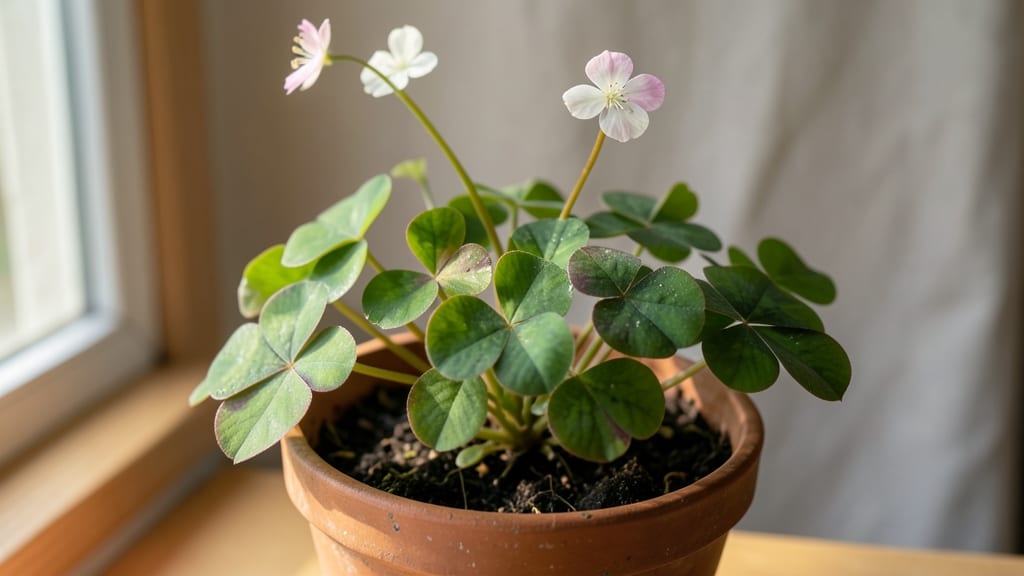
If you're wondering how much light does a shamrock plant need, your tired or stretched-out plant is likely the answer—and fixing it is simpler than you think.
These delicate plants thrive in bright, indirect sunlight, but too much direct sun or too little light can turn your lush foliage into a sad, leggy mess.
The ideal setup is 4-6 hours of filtered light daily, whether you're growing it indoors or outdoors in USDA Zone 6a. Too much harsh sun causes leaf burn, while weak light leads to pale, sparse growth.
I’ll show you exactly how to spot the signs and adjust your setup for a happier plant.
Whether your shamrock sits on a sunny windowsill or in a shady garden spot, small tweaks can make a big difference. Learn how to balance light exposure for year-round vibrancy, plus how to troubleshoot common issues like yellowing leaves or weak stems—so your shamrock stays perfectly green all season long.
Ready to transform your plant’s health? Let’s dive into the simple secrets for keeping your shamrock flourishing with just the right amount of light.


Ideal light requirements for shamrock plants: the perfect balance of brightness and indirect sun
Shamrock plants (Oxalis triangularis) thrive in bright, indirect light—the Goldilocks zone of gardening where they’re neither scorched nor stretched. Too little light causes leggy growth and pale leaves, while too much triggers sunburn on delicate foliage.
Understanding their light spectrum needs (40-60% sunlight intensity) is key to keeping those signature three-leaf clovers vibrant year-round.
In nature, shamrocks grow under dappled forest shade, mimicking the filtered light they crave indoors. This means positioning them near east or west-facing windows where morning or afternoon sun gently grazes their leaves. South-facing windows can work, but only with sheer curtains to diffuse harsh midday rays.
Here’s the light breakdown you need: shamrocks need 4-6 hours of indirect light daily, with 2-4 hours of morning sun being ideal. Think of it like a sunbathing session—short and sweet, not all-day exposure.
For indoor growers, this translates to placing your plant 3-5 feet from a bright window where leaves stay bright green, not bleached.
Seasonal adjustments matter too. During summer months, when sunlight is intense, reduce exposure to 2-3 hours daily or move your shamrock slightly farther from the window. In winter, when days are shorter, supplement with a grow light for 12-14 hours of total light to prevent dormancy.
| Light Requirement | Specification | Indoor Solution |
|---|---|---|
| Daily Light Hours | 4-6 hours (indirect) | East/west window, 3-5 ft away |
| Light Intensity | 40-60% sunlight | Sheer curtains for diffusion |
| Summer Adjustment | 2-3 hours max | Move 1-2 ft back from window |
| Winter Supplement | 12-14 hours total | Grow light 6-8 inches above |
| Signs of Overlighting | Brown leaf tips, crispy edges | Relocate to shade immediately |
For outdoor shamrocks, partial shade is ideal—think morning sun with afternoon shade from trees or structures. In USDA Zone 6a, where many gardeners grow shamrocks, they perform best in woodland gardens or under lattice canopies that mimic their natural habitat.
Avoid full sun spots, which can cause leaf scorch and stunted growth.
Pro tip: Rotate your shamrock plant every 2-3 weeks to ensure even light exposure. This prevents lopsided growth and helps leaves develop uniformly.
Watch for new leaf growth—if it’s pale or stretched, your plant needs more light; if it’s dark green with crispy edges, it’s getting too much.
If you’re growing shamrocks in low-light conditions (like a north-facing room), opt for variegated varieties that tolerate dimmer spaces. Pair them with a full-spectrum LED grow light for 14 hours daily to compensate. Remember, shamrocks are adaptable but not low-light lovers—they’ll always perform best with bright, indirect light.
One common mistake is assuming more light is always better. Shamrocks are sun-sensitive, and even 2-3 hours of direct midday sun can cause damage. Test your setup by placing a white sheet near the plant—if shadows are sharp and dark, the light is too intense.
Adjust until shadows are soft and diffused.
For container gardening, use glazed pots to reflect extra light onto the soil, or place a mirror behind the plant to bounce light upward. This hack works wonders in small apartments where window space is limited. Just ensure the mirror is angled to avoid overheating the leaves.
🌱
Signs your shamrock isn’t getting enough (or too much) light—and how to fix it
Your shamrock plant might be silently screaming for help—literally. When light levels are off, these delicate plants show dramatic symptoms. Yellowing leaves, leggy stems, or pale foliage are classic red flags.
The good news? Fixing light issues is often as simple as repositioning your plant or adjusting your window treatments. Let’s decode your shamrock’s light language and restore its vibrant green glow.
First, observe the leaf color. Healthy shamrock leaves should be a rich, vibrant green. If they’re turning yellow or pale, your plant is likely underlit. This often happens in north-facing rooms or behind thick curtains.
On the flip side, brown patches or crispy edges signal too much direct sun, especially during harsh afternoon rays. Both extremes stress your plant, so balance is key.
How Much Light Does a Shamrock Plant Need?
Shamrocks thrive with 4-6 hours of bright indirect light daily. Think dappled shade or morning sun (6 AM–10 AM) near an east-facing window. Avoid harsh afternoon sun or deep shade—both extremes cause stress. In low-light spaces, supplement with a grow light 12 inches away for 6–8 hours daily.
Leggy growth is another clear sign of light deprivation. When stems stretch unusually tall and weak, your shamrock is reaching for more light. This happens when placed too far from windows or under artificial lights that aren’t bright enough.
To fix it, move your plant closer to a window or rotate it quarter-turns weekly for even growth. If you’re using a grow light, upgrade to a full-spectrum LED for better results.
For indoor growers, a DIY light test can save your shamrock. Place a white sheet of paper near your plant for a day. If the paper stays mostly white, your space is underlit.
If it turns yellow or brown, direct sun is overpowering your plant. Use this test to adjust placement before symptoms worsen. Sheer curtains or a light diffuser can also soften harsh rays.
If your shamrock’s leaves are small and sparse, it’s likely underwatered or underlit. Combine both fixes: Repot in well-draining soil and move to a brighter spot. For outdoor shamrocks, watch for seasonal shifts.
In winter, reduce direct sun exposure to 2–3 hours max to prevent scorching. Mulch around the base to insulate roots and maintain steady moisture.
Don’t let light stress ruin your shamrock’s charm! With these fixes—repositioning, supplemental lighting, and seasonal adjustments—your plant will bounce back in 2–4 weeks. Keep an eye on those leaves, and soon you’ll have a lush, thriving shamrock that’s the envy of every gardener. 🍀