
Plants
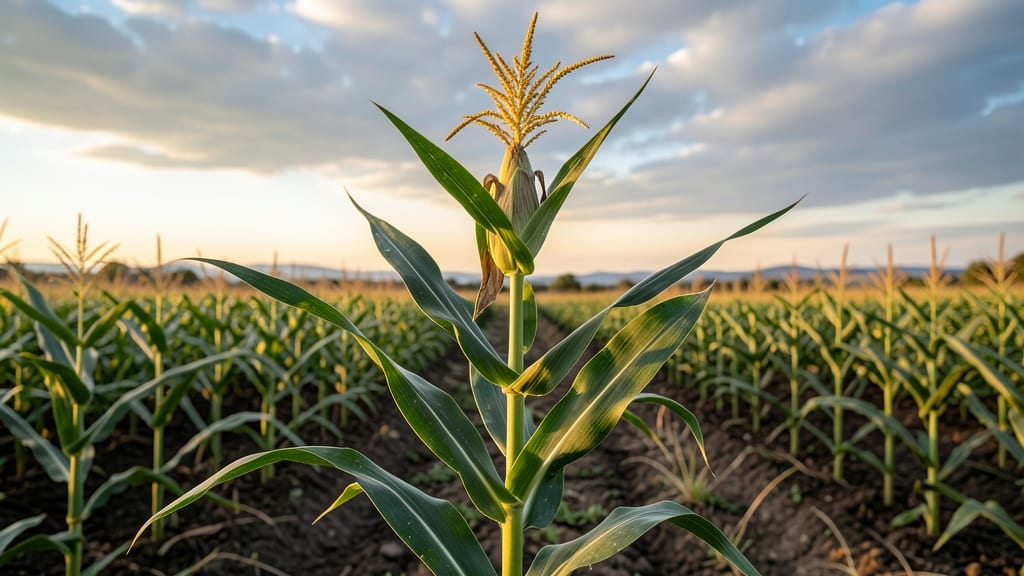
If you’ve ever wondered how tall a corn plant can grow, the answer depends entirely on the type of corn you plant. 🌽 Sweet corn, popcorn, and ornamental varieties can range from just 4 feet to over 12 feet—meaning your space and goals should dictate your choice.
The height of your corn isn’t just about aesthetics—it directly impacts spacing, support needs, and even harvest ease. For example, dwarf varieties thrive in containers or small plots, while standard sweet corn can stretch toward the sky, requiring sturdy stakes or trellises.
Knowing these differences upfront saves you from overcrowding or struggling with unruly stalks later.
But here’s the kicker: soil quality, sunlight, and watering habits can push a corn plant 2 feet taller—or shorter—than its expected range. A nutrient-rich, well-drained plot in full sun will encourage that 10-foot giant, while poor conditions might leave you with a scrappy 6-footer.
Let’s break down the varieties and conditions that shape your corn’s height so you can grow with confidence.
Whether you’re a beginner planning a first patch or a seasoned gardener tweaking your layout, understanding these factors will help you maximize your harvest—and maybe even turn your backyard into a mini cornfield without the chaos. Ready to find the perfect fit for your space?


Corn plant height ranges by variety: from dwarf to giant stalks
When planning your corn garden, one of the first questions I ask myself is how tall will these plants grow? The answer varies dramatically depending on the variety—some stay compact enough for containers, while others reach heights that rival small trees.
Understanding these differences helps me choose the perfect fit for my space and growing goals.
Corn varieties typically fall into three height categories: dwarf (under 5 feet), standard (5-9 feet), and giant (9+ feet). Each category has unique growing requirements and ideal uses, whether you're growing sweet corn for eating, popcorn for snacks, or ornamental varieties for decoration.
For those with limited space, dwarf varieties like 'Tom Thumb' reach just 3-4 feet tall, making them perfect for containers or small urban gardens. Meanwhile, traditional varieties like 'Golden Bantam' grow 5-6 feet, while giants like 'Mammoth Melting' can exceed 12 feet—ideal for large rural plots or cornfield displays.
If you're growing sweet corn, standard varieties like 'Silver Queen' (6-7 feet) are excellent choices for home gardens, offering a balance between manageable height and productive yields. These varieties thrive with 8+ hours of sunlight daily and rich, well-draining soil, which I always amend with compost before planting.
For popcorn lovers, giant varieties like 'Country Gentleman' can reach 10-12 feet tall, making them perfect for large rural gardens or even as natural windbreaks. These towering stalks need extra space—30-36 inches apart—and benefit from staking if your area experiences strong winds.
Ornamental corn varieties add visual interest to gardens with their striking colors and textures. Varieties like 'Glass Gem' grow 4-8 feet tall and produce ears in vibrant hues of purple, blue, and red. These make excellent cut flowers and thrive in containers or garden beds with proper support.
When selecting varieties, always check the mature height on seed packets and match it to your available space. In my experience, dwarf varieties are ideal for beginners or small yards, while standard and giant varieties reward patient gardeners with impressive yields and dramatic visual impact.
Remember that proper spacing is crucial for all corn varieties—crowded plants lead to poor air circulation, increasing the risk of fungal diseases like corn smut. I always follow the recommended spacing guidelines to ensure healthy growth and easy harvests.
For those growing corn in containers or raised beds, dwarf varieties are the best choice. A 5-gallon container can comfortably accommodate a single 'Tom Thumb' plant, while larger varieties like 'Golden Bantam' need at least 10-gallon containers with proper drainage.
No matter which height range you choose, all corn varieties share similar care requirements: full sun exposure, consistent watering, and nutrient-rich soil. With the right variety and growing conditions, you'll enjoy a bountiful harvest whether your corn plants reach 3 feet or 12 feet tall.
Factors that influence corn plant height beyond variety
While corn varieties determine the baseline height of your plants, environmental factors can dramatically alter how tall your stalks grow. Even a standard 8-foot variety might reach 10 feet with ideal conditions—or stay under 6 feet if stressed.
Understanding these influences lets you fine-tune growth for your space and goals, whether you're aiming for tall stalks for shade or compact plants for containers.
Sunlight exposure is the most critical factor. Corn needs full sun (6-8+ hours daily), but excess heat without adequate moisture can stunt growth. In hot, dry climates, plants may focus energy on survival rather than height, while cool, cloudy regions can slow photosynthesis, reducing stalk development.
My USDA Zone 6b garden produces noticeably taller corn when I add shade cloth during peak summer afternoons.
Soil quality plays a surprising role too. Corn thrives in well-draining, nutrient-rich soil with a pH of 6.0-7.5. Compacted or poor soil forces plants to divert energy to root development, resulting in shorter stalks and smaller ears.
I once grew 12-foot popcorn stalks in amended soil versus 7-foot stalks in the same variety's native clay—just by adding compost and sand!
- 🌞 Sunlight: 6-8 hours daily maximizes height; less than 5 hours stunts growth by 30-50%
- 💧 Watering: 1-2 inches weekly promotes tall growth; drought stress reduces height by up to 40%
- 🌡️ Temperature: 70-85°F ideal; below 60°F slows growth; above 90°F can cause bolting
- 🌱 Soil Nutrients: Nitrogen-rich soil boosts stalk height; phosphorus deficiency limits root development
- 🌍 Climate Zone: Southern climates produce taller corn; Northern zones may yield shorter stalks due to shorter growing seasons
Watering practices directly impact height too. Corn plants need consistent moisture, especially during tasseling and ear development.
I noticed my 10-foot sweet corn variety shrank to 7 feet when I reduced watering during a drought—yet recovered fully when I resumed deep watering. Morning watering is key to prevent fungal diseases that weaken stalks.
Your regional climate zone also matters. Corn grown in USDA Zone 9+ often reaches its full height potential, while Zone 5 gardens may produce shorter stalks due to cooler temperatures.
I adapted by choosing early-maturing varieties in my Zone 6a garden to maximize height before fall frosts. For taller growth, select varieties with longer maturity dates suited to your zone.
To optimize height, combine these factors: plant in amended, well-draining soil, ensure full sun exposure, water deeply 2-3 times weekly, and choose varieties matched to your climate zone.
For shorter plants, reduce nitrogen or plant in partial shade. My 8-foot ornamental corn now reaches 10 feet with these adjustments—perfect for creating natural privacy screens!