
Plants
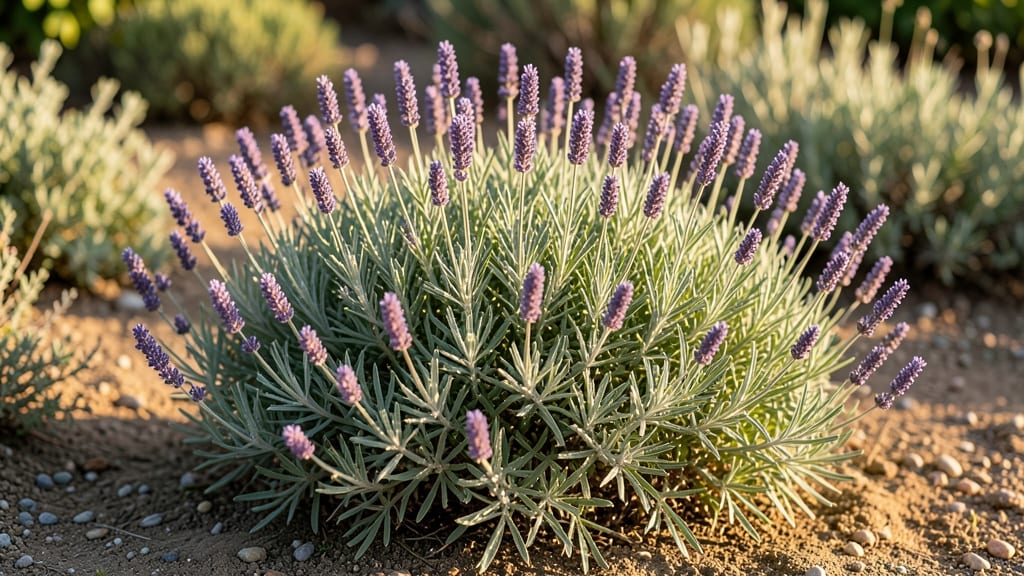
When you picture lavender in your garden, do you imagine how tall a lavender plant grows—a low, fragrant border or a towering hedge that adds drama?
The answer depends entirely on the variety you choose—because lavender’s height can range from just 8 inches to over 3 feet, completely transforming your outdoor space.
If you're working with limited room, dwarf varieties like 'Hidcote' or 'Munstead' stay perfectly contained, making them ideal for containers or tight borders. But for a bold statement, taller types like 'Grosso' or 'Provence' reach their full 3-4 foot potential, creating stunning vertical interest.
The key is understanding how each grows so you can plan your garden with confidence.
Beyond just aesthetics, height affects everything from spacing to pruning needs. Too little room means crowded plants that struggle to thrive, while too much space can leave your garden looking sparse.
I’ll break down the exact spacing you need for each variety and share my easiest pruning tricks to keep your lavender looking its best year after year.
Whether you're designing a cozy herb garden or a grand landscape, choosing the right lavender height makes all the difference. Let’s explore how to pick the perfect size for your vision—and keep it thriving for seasons to come.


Lavender plant height by variety: compact vs. tall species compared
Choosing the right lavender variety for your garden starts with understanding their mature heights. Some lavender plants stay under 12 inches, perfect for window boxes, while others can tower over 3 feet, ideal for hedges or borders.
The key difference often lies between English lavender and Spanish lavender varieties, each with distinct growth habits and fragrance profiles.
If you're working with limited space, dwarf varieties like 'Hidcote' or 'Munstead' are excellent choices, rarely exceeding 18 inches in height. On the other hand, varieties like 'Grosso' or 'Provence' can reach 4 feet or more, making them better suited for larger landscapes or privacy screens.
Below is a detailed comparison of popular lavender varieties, including their mature heights, growth habits, and ideal uses in your garden. This will help you select the perfect variety for your space and design goals.
| Variety | Type | Mature Height | Spread | Growth Habit | Best For |
|---|---|---|---|---|---|
| Hidcote | English | 12-18 in | 12-18 in | Compact, bushy | Containers, borders, window boxes |
| Munstead | English | 18-24 in | 24-30 in | Upright, dense | Borders, hedges, cottage gardens |
| Grosso | Spanish | 3-4 ft | 3-4 ft | Tall, sturdy | Privacy screens, large borders |
| Provence | Spanish | 2-3 ft | 2-3 ft | Bushy, spreading | Mass plantings, pollinator gardens |
| Bandera | Spanish | 4-5 ft | 3-4 ft | Tall, upright |
How to control lavender growth for your garden spaceLavender’s height can transform your garden from cluttered to curated, but without proper care, even the most compact varieties can sprawl into unruly bushes. The key to maintaining your lavender’s ideal size lies in pruning techniques, spacing strategies, and soil adjustments—all while preserving that signature fragrance and vibrant blooms. I’ve learned the hard way that skipping these steps leads to leggy stems and fewer flowers, so let’s fix that together. Start by understanding your lavender’s natural growth habits. Most standard varieties like English lavender reach 3–4 feet tall if left unchecked, while dwarf types such as ‘Hidcote’ stay under 12 inches. The difference? Pruning timing and intensity. For example, cutting back Spanish lavender too aggressively can stunt its woody growth, while French lavender thrives with regular trims to encourage bushiness. Your goal is to shape the plant without sacrificing its health or fragrance. ⚠️ Callout Tip: How Tall Does a Lavender Plant Grow?Mature heights vary wildly: Dwarf varieties (8–12 inches) suit window boxes, while standard types (3–4 feet) work for hedges. Spanish lavender can even hit 5 feet if unpruned! Measure your space first—lavender needs 12–24 inches of spacing for airflow, or it risks disease. Pro tip: Use a ruler to check growth annually; most lavender grows 6–12 inches per year if happy. Pruning is your best tool to control height. For standard lavender, trim back one-third of the oldest wood in late winter or early spring before new growth starts. This encourages fresh, fragrant stems and prevents the plant from becoming woody at the base. For dwarf varieties, a light trim after flowering keeps them tidy without sacrificing blooms. Always use clean, sharp shears to avoid tearing stems—dull blades cause stress and invite pests. Soil and sunlight play equally critical roles. Lavender hates soggy roots, so amend heavy soil with gravel or sand to improve drainage. If your lavender stretches toward light, it’s not getting enough 6+ hours of full sun daily. Move it to a sunnier spot or supplement with a grow light if container-grown. I once had a lavender plant lean dramatically toward my kitchen window—after relocating it to the patio, it grew 2 inches taller in a month and bloomed twice as much! Reviving overgrown lavender is easier than you think. If your plant looks leggy and sparse, give it a hard prune in early spring: cut back half the height to just above a set of leaves. This may seem drastic, but lavender rebounds quickly with proper care. Water deeply afterward to help it recover, and avoid fertilizing for 4–6 weeks to let roots establish. Within a season, you’ll see fuller growth and more blooms—just like my 5-year-old ‘Grosso’ lavender that went from sad to showstopper after this method. Container gardening offers another way to control height. Choose pots with drainage holes and limit lavender to 1–2 feet in diameter for dwarf types or 3+ feet for standards. Root-bound plants grow slower, so repot every 2–3 years to refresh the soil. Group containers in a sunny cluster to maximize fragrance and create a cohesive look. I love using lavender in terracotta pots on my balcony—they stay compact, fragrant, and portable if I need to adjust their placement. Remember, lavender’s height isn’t just about aesthetics—it’s about health and fragrance. A well-pruned plant produces more oil-rich flowers, meaning stronger scent and longer-lasting blooms. Start with the right variety for your space, prune regularly, and give it the soil and sun it craves. With these tips, your lavender will stay lush, fragrant, and perfectly sized for years to come. 🌿✂️💜 |