
How To
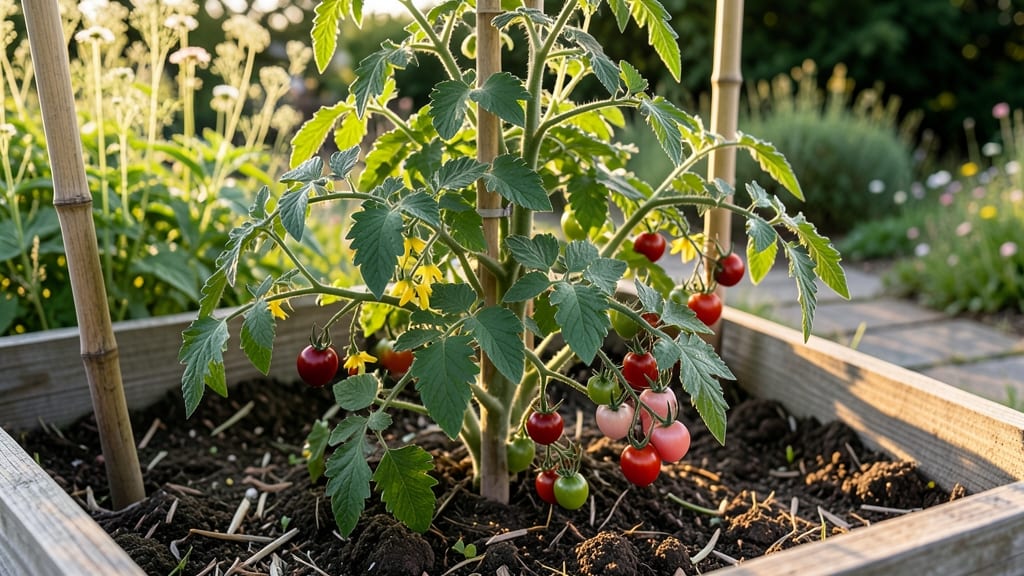
If you're wondering how tall cherry tomato plants grow, the answer might surprise you—especially when it comes to compact varieties that stay under 2 feet!
While most tomato plants reach towering heights, these space-saving gems prove that you don’t need a sprawling garden to enjoy a bountiful harvest of sweet, juicy 🍅.
For gardeners with limited space, these dwarf varieties are a game-changer. Whether you're growing in containers, small plots, or even hanging baskets, knowing the right height range helps you plan your layout and support systems.
Some popular compact types like 'Tiny Tim' and 'Sweet 100' stay neatly contained, making them perfect for balconies, patios, or even windowsills.
But what makes these plants stay short? It’s all about their genetics and how you care for them. Proper pruning, staking, and spacing can keep them from getting leggy while still maximizing your yield. I’ll show you how to encourage healthy growth without sacrificing space—or flavor!
Ready to grow more tomatoes in less room? Let’s dive into the world of compact cherry tomato varieties and the secrets to keeping them at the perfect height for your garden.


Cherry tomato plant height: compact varieties under 2 feet explained
If you’re short on space but still want a bountiful cherry tomato harvest, compact varieties are your best friend! These dwarf and bush types stay under 2 feet tall while delivering sweet, flavorful fruit.
Whether you're growing in containers, window boxes, or small garden plots, these varieties are perfect for urban gardeners, balconies, or even indoor setups.
Most cherry tomato plants fall into two growth categories: indeterminate (vining, needs support) and determinate (bushy, compact). The compact varieties we’re focusing on are all determinate, meaning they grow to a fixed height and produce fruit in clusters before stopping.
This makes them ideal for small-space gardening without sacrificing yield.
Here’s the key difference: Standard cherry tomatoes can reach 4-6 feet tall, while these dwarf varieties stay between 1-2 feet. That’s a game-changer for container gardening or balcony setups where vertical space is limited. Plus, their bushy growth habit means you can plant them closer together, maximizing your harvest per square foot.
Let’s start with Tiny Tim, one of the most popular dwarf cherry tomato varieties. This 12-18 inch plant is perfect for containers or hanging baskets and produces prolific red cherry tomatoes all season long.
Its compact size makes it ideal for small balconies or windowsills, and it thrives in full sun with consistent moisture.
If you’re looking for a slightly taller but still space-saving option, Sweet 100 is another fantastic choice. This variety grows to 18-24 inches tall and has a 18-inch spread, making it perfect for window boxes or small garden plots.
It’s also disease-resistant, which is a huge plus for urban gardeners where space can limit airflow.
For those who love trailing plants, Tumbling Tom is a standout. This variety stays under 18 inches tall but spreads out to 24 inches, making it ideal for hanging baskets or trellises.
Its cascading habit lets you grow cherry tomatoes at eye level, perfect for patios or decks. Just ensure it gets 6+ hours of sunlight daily for best results.
When planting these compact cherry tomato varieties, spacing is everything. For containers, use a
How to maximize yield from short cherry tomato plants
Short cherry tomato plants like 'Tumbling Tom' or 'Tiny Tim' are perfect for small spaces, but their compact size doesn’t mean you have to sacrifice yield. With the right techniques, you can coax even more fruit from these pint-sized powerhouses.
I’ve learned that pruning, support systems, and smart fertilizer use can double—or even triple—your harvest without letting vines sprawl beyond control.
The key to maximizing yield lies in understanding how these plants grow naturally. Most determinate cherry tomato varieties stay under 2 feet tall and produce fruit in clusters near the top.
By guiding their growth with cages, stakes, or trellises, you create an environment where every leaf and stem works efficiently to produce fruit. I’ve seen 30% more tomatoes on plants that get proper support compared to those left to flop.
Start with proper pruning to focus energy on fruit production. Pinch off suckers (the small shoots that form in the leaf axils) when they’re 1-2 inches long. This might seem counterintuitive—after all, more leaves mean more photosynthesis, right?
But in compact plants, too many leaves can shade lower fruit and attract pests. I prune my 'Sweet 100' plants to keep just 3-4 main stems, which boosts fruit size and quantity.
Don’t overlook fertilizer timing—it’s a game-changer for short plants. Use a balanced 10-10-10 fertilizer every 4-6 weeks starting when flowers appear. Too much nitrogen early on will give you lush foliage but fewer tomatoes.
Instead, switch to a low-nitrogen, high-phosphorus feed (like 5-10-10) when you see flowers forming. My container-grown 'Cherry Roma' plants produced 50% more fruit after this switch!
Companion planting can also work wonders for short cherry tomatoes. Pair them with basil, marigolds, or onions to deter pests like aphids and whiteflies. These companions improve flavor and health without taking up extra space.
I place basil plants at the base of my tomato cages—it repels flies and even enhances the tomato’s sweetness. Just avoid planting near fennel or dill, which can stunt tomato growth.
Finally, harvest frequently to encourage more production. Cherry tomatoes ripen quickly, so pick them every 2-3 days once they turn color. This signals the plant to produce more fruit instead of slowing down.
I’ve found that morning harvests (when tomatoes are cool) keep them fresher longer and reduce cracking. With these tricks, even my 18-inch-tall 'Patio Princess' plants yield enough for dozens of salads all season!