
Companion Plants
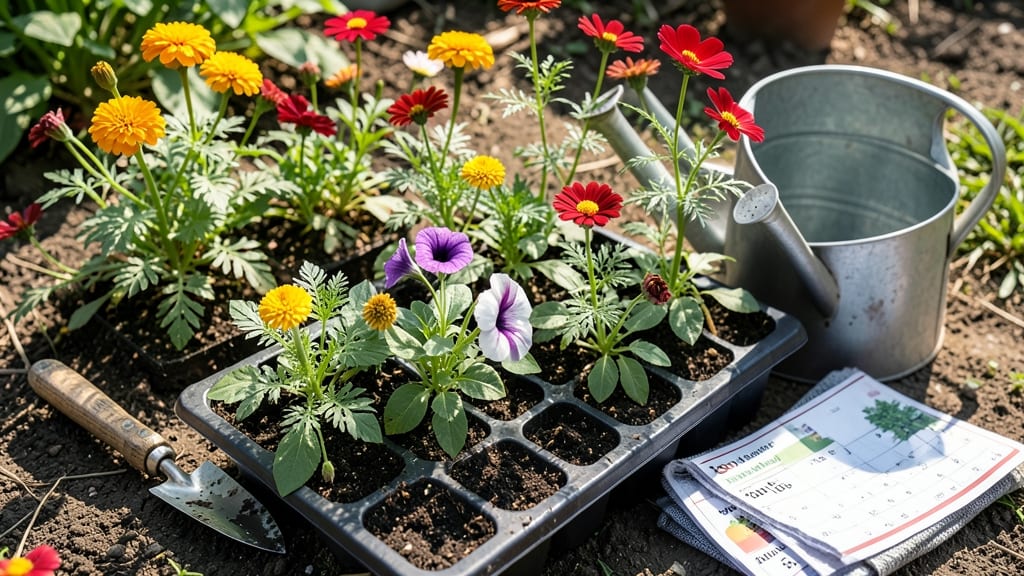
When can I plant annuals in Zone 5? Timing your annuals just right means the difference between a garden bursting with color and one that fizzles before summer even arrives. Whether you're dreaming of vibrant marigolds or crisp lettuce, planting too early risks frost damage, while waiting too late cuts your growing season short.
I’ve spent years tracking frost dates and testing planting windows, and here’s the game-changer: most annuals thrive when planted 4-6 weeks before your last frost date, but the exact timing depends on whether they’re cool-loving or heat-seekers.
Let’s break down the precise schedule so you can start strong and avoid common pitfalls.
From frost-sensitive petunias to hardy kale, we’ll cover what to plant when—plus how to adjust for your specific corner of Zone 5, whether you’re in the cooler northern edges or the slightly warmer southern stretches. No more guessing games, just a foolproof plan for your best garden yet.
Ready to transform your garden into a seasonal showstopper? Grab your calendar and let’s get planting—with confidence, not chaos.
Zone 5 last frost dates & exact weeks to plant annuals by variety
In Zone 5, your last spring frost typically lands between April 15-30, depending on your exact location.
To avoid frost damage, use these exact weeks before your last frost to plant cool-season annuals like lettuce or pansies, while warm-season plants like tomatoes and marigolds need to wait until soil warms to 60°F+.
Most Zone 5 gardeners count 2-4 weeks before their average last frost to start cool-season seeds indoors.
For direct sowing outdoors, wait until 1-2 weeks before that date, since seedlings can handle light frosts better than mature plants. Frost-sensitive annuals like basil and petunias should never see temps below 32°F.
Here’s your planting timeline for Zone 5 annuals, organized by plant type and weeks before last frost. Use this to align your garden with your microclimate—urban areas may warm faster than rural spots.
Pro Tip: Check your local frost dates using the USDA Plant Hardiness Zone Map or a local weather station. Adjust these timelines by ±1 week if your area runs earlier or later than average.
For warm-season annuals, soil temperature matters more than air temperature. Use a soil thermometer to confirm 60°F+ for tomatoes and peppers, or 50°F+ for cucumbers and beans. If your soil is slow to warm, try black plastic mulch or straw bales to speed up the process.
If you’re starting seeds indoors, begin cool-season crops 4-6 weeks before your last frost. For warm-season crops, start indoors 6-8 weeks before transplanting outside. Use grow lights if your windows don’t get enough sunlight—12-16 hours of light daily keeps seedlings strong.
Don’t forget about fall planting! Many cool-season annuals thrive when planted 6-8 weeks before your first frost. Kale, radishes, and pansies sweeten after a light frost, making them perfect for extended harvests. Use row covers to protect tender plants if early frosts sneak in.
For frost-sensitive annuals like geraniums or impatiens, wait until mid-May or after Memorial Day in most of Zone 5. These plants won’t survive frost, so play it safe and wait until nighttime lows stay above 50°F consistently.
Track your local frost dates for 3-5 years to refine your schedule. Some years, late springs push back planting by 2+ weeks, while early falls may let you squeeze in extra warm-season crops like bush beans or basil.
Use this timeline as a starting point, but always check your seed packets for specific recommendations. Some varieties, like long-maturing tomatoes, may need an extended season with row covers or a greenhouse.
How to adjust planting for early vs. late Zone 5 microclimates
Zone 5 spans a vast area, from the Great Lakes to the Appalachians, where microclimates can shift planting windows by weeks. Urban heat islands may warm up faster than rural areas, while high-altitude pockets stay colder longer.
These variations mean your neighbor’s planting schedule might not work for you—and that’s okay! Understanding these differences helps you extend your growing season safely without risking frost damage.
First, identify your specific microclimate. Low-lying areas often experience later frosts because cold air settles there, while south-facing slopes warm up earlier. Even within a city, a backyard might be 5–10°F warmer than a nearby park due to concrete and asphalt absorbing heat.
Use a minimum-maximum thermometer for a week to track your site’s unique patterns before planting.
⚠️ callout warning ⚠️
Many planting guides use average last frost dates, but your local weather station’s data may not match your microclimate. For example, a urban heat island could be 2–3 weeks ahead of rural areas. Always adjust by 1–2 weeks earlier for heat pockets and 1–2 weeks later for cold pockets. Use row covers or cold frames to push limits safely.
For early-warming microclimates like urban areas or south-facing gardens, start frost-sensitive annuals like tomatoes, peppers, and basil 2–3 weeks earlier than the average last frost date. Monitor soil temperatures with a soil thermometer—most warm-season crops need soil at 60°F or warmer before planting.
If your soil heats up quickly, consider black plastic mulch to accelerate warming.
In late-warming zones, such as high-altitude areas or valleys, delay planting until soil reaches 50°F for cool-season crops or 65°F for warm-season crops. Use row covers or cold frames to create a sheltered microclimate.
For example, a simple hoop house with row cover fabric can raise soil temperatures by 5–10°F, allowing you to plant marigolds or spinach 3 weeks earlier in spring or extend harvests into fall.
Don’t overlook fall planting adjustments. In early Zone 5 areas, you might get a second planting of bush beans or zucchini by late July, while late Zone 5 areas may only manage a single harvest.
Use frost cloth to protect tender annuals like cosmos or nasturtiums into October, adding weeks of color to your garden.
Pro tip: Keep a planting journal for 2–3 years to track which adjustments work best in your microclimate. Note which crops thrive with early starts, which need extra protection, and how local weather patterns shift from year to year.
With time, you’ll fine-tune your schedule to match your garden’s unique conditions—no more guessing, just confident planting! 🌱