
Plants
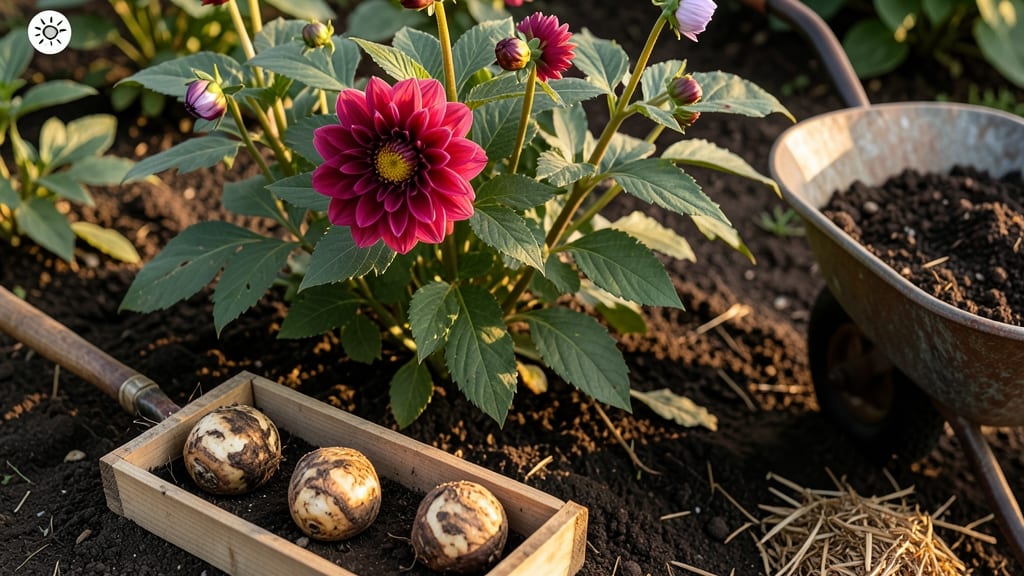
Planting dahlias in San Diego might seem simple since frost isn't a concern, but timing still matters to get those stunning 🌸 blooms all season. Unlike colder climates, your tubers need to wake up gradually—especially when coastal humidity meets inland heat.
The key is preparing them 4-6 weeks before your ideal planting window, which in San Diego typically lands in late February or early March.
Why wait? Because rushing tubers into warm soil without proper conditioning leads to weak stems and fewer flowers. I’ve learned the hard way that even in Zone 10a, giving your dahlias a head start indoors (or under grow lights) makes a world of difference in their first flush of blooms.
Think of it like breaking in new shoes—gradual exposure builds strength.
Once your tubers are ready, San Diego’s microclimates add another layer. Coastal areas stay cooler longer, while inland spots can dry out fast. That’s why I’ll show you how to adjust planting times based on your specific neighborhood—because what works in Encinitas might need tweaking for Chula Vista.
Let’s make sure your dahlias thrive from the get-go.
Ready to dive in? You’ll discover the exact steps to prep your tubers, choose the right varieties for your area, and keep those blooms coming until October. Trust me, your garden will thank you for the extra care!
San Diego’s last frost dates and ideal dahlia planting timeline
San Diego’s USDA Zone 10a/10b climate means you won’t face frost, but soil temperature thresholds of 60°F+ are critical for dahlia success. Unlike northern gardens, your 4-6 week pre-planting window isn’t about frost—it’s about avoiding heat stress and ensuring tubers establish before summer’s intensity.
Coastal areas like Encinitas stay cooler longer, while inland Escondido heats up faster.
For peak blooms, aim to plant dahlia tubers when daytime temps consistently hit 65°F and nighttime temps stay above 55°F. This typically lands in late February to early March for most of San Diego, but coastal regions can start as early as mid-February.
Inland areas may need to wait until early April to avoid early heat waves.
Here’s your custom planting timeline based on San Diego’s microclimates, including soil prep and tuber conditioning to maximize bloom time:
| Region | Ideal Planting Window | Soil Temp Threshold | Key Microclimate Note |
|---|---|---|---|
| Encinitas (Coastal) | Mid-February to late March | 60°F+ (soil) | Cooler nights, higher humidity |
| Escondido (Inland Valleys) | Early March to early April | 65°F+ (soil) | Warmer days, lower humidity |
| Chula Vista (Coastal Urban) | Late February to mid-March | 62°F+ (soil) | Moderate heat island effect |
| San Diego (City Center) | Early March to late March | 63°F+ (soil) | Balanced coastal/inland mix |
To calculate your personal planting window, check your local soil temperature using a soil thermometer (available at garden centers). If your soil hasn’t reached 60°F by mid-March, hold off—cold soil slows root growth and increases rot risk.
For coastal gardens, you can push planting to early February if you use black plastic mulch to warm the soil faster.
Pro tip: Pre-chit your tubers (place them in a bright, 60°F+ spot 4-6 weeks before planting) to jumpstart growth. This is especially useful for inland areas where soil warms quickly. For coastal gardens, focus on hardening tubers gradually to avoid shock from humidity shifts.
If you’re aiming for summer-long blooms, plant your latest tubers by mid-April. These will bloom later but extend your season until first frost (which never happens in San Diego). Just be prepared to water deeply and mulch heavily to protect roots from summer heat stress.
For container gardening, adjust your timeline by 2 weeks earlier—pots heat up faster than in-ground soil. Use heat-resistant containers and self-watering systems to maintain consistent moisture. Coastal containers may need extra wind protection, while inland containers benefit from light-colored pots to reflect heat.
Remember: Dahlias thrive on routine. Once planted, maintain consistent moisture and fertility to encourage vigorous growth. In San Diego, this means deep watering every 3-5 days and monthly feeding with a balanced fertilizer (5-10-10) during the growing season.
With this microclimate-specific timeline, your dahlias will reward you with bold blooms from June through October—just in time for San Diego’s perfect fall weather. Happy planting! 🌸
How to prep dahlia tubers for San Diego’s climate: chitting vs hardening
San Diego’s coastal fog and inland heat create two very different challenges for dahlia tubers. Whether you’re growing in Encinitas’ damp air or Escondido’s dry heat, proper tuber prep is key to avoiding rot or stress.
The two main methods—chitting and hardening—each have unique benefits depending on your microclimate and bloom goals.
Chitting, or pre-sprouting tubers indoors, gives you a 4-6 week head start on growth. This method works especially well for coastal gardeners who want to beat the June Gloom and get blooms earlier.
Hardening, on the other hand, gradually acclimates tubers to outdoor conditions, making it ideal for inland areas with intense afternoon sun.
Here’s how to decide which method suits your San Diego garden best:
Chitting Dahlias
- ✅ Early blooms (2-3 weeks ahead)
- ✅ Coastal-friendly (handles humidity better)
- ✅ Controlled growth (prevents legginess)
- ❌ Requires indoor space (bright, warm spot)
- ❌ Risk of rot if overwatered
- ❌ Less hardy for extreme heat
Hardening Dahlias
- ✅ Outdoor-ready (handles heat better)
- ✅ No indoor space needed
- ✅ Stronger roots (better drought tolerance)
- ❌ Slower blooms (1-2 weeks later)
- ❌ Coastal fog risk (may develop mildew)
- ❌ Requires gradual exposure (time-consuming)
To chit dahlias, place tubers in a bright, warm spot (60-65°F) with the eyes facing up. Keep soil lightly moist but never soggy—overwatering is the #1 killer of chitting tubers.
For inland gardeners, start hardening 4-6 weeks before your target planting date by moving tubers outside for 2-3 hours daily, gradually increasing exposure.
For coastal areas, focus on airflow to prevent fungal issues. Elevate tubers on wire racks or use perforated containers to mimic San Diego’s natural drainage. Avoid planting until soil temps reach 60°F+—use a soil thermometer to check, especially in shady microclimates like Balboa Park.
Once tubers are ready, plant them 4-6 inches deep with the neck above soil level. Water deeply at planting, then reduce frequency to encourage root growth. Mulch with straw or wood chips to retain moisture and regulate soil temps—critical for heat-sensitive varieties like ‘Thomas Edison.’
Pro tip: If you’re in Zone 10b, consider a second planting in late summer for fall blooms. Just repeat the hardening process with fresh tubers—your garden will thank you with nonstop color from June to October! 🌸