
Companion Plants
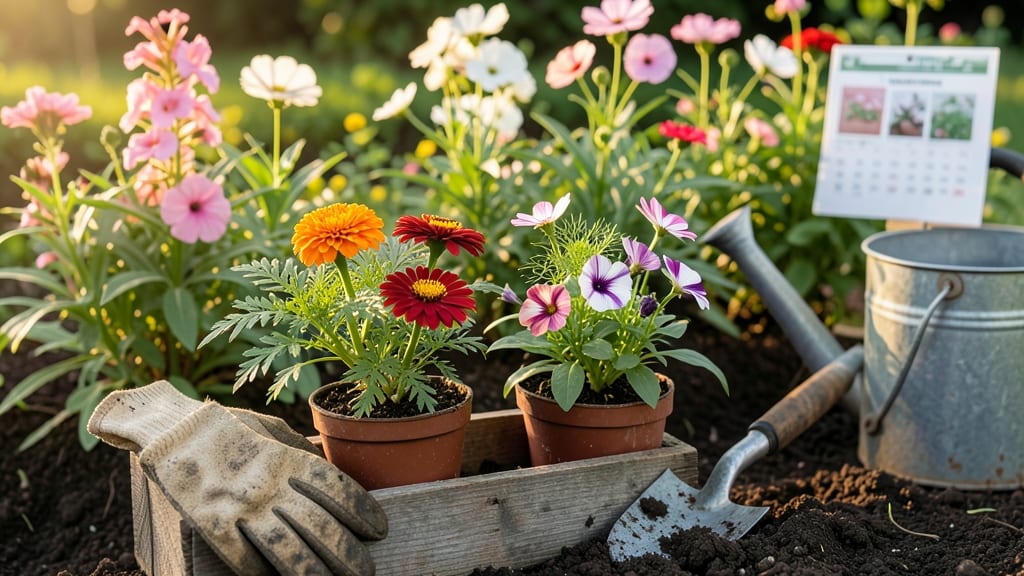
Planting annuals in Zone 6 at the wrong time means frost-nipped dreams before they even bloom—so getting those dates right is the difference between a garden that wows and one that fizzles.
The key isn't just waiting for spring; it's knowing exactly when your soil warms enough to support tender roots while still avoiding late frosts that can sneak in even after the calendar says "safe."
I've learned the hard way that Zone 6's unpredictable weather demands precision. Whether you're dreaming of spring pansies or summer zinnias, timing matters more than you might think.
The good news? With the right schedule, you can stretch your blooming season from early May all the way through October—no frost damage required.
Let me show you exactly when to plant cool-season annuals (like sweet alyssum) versus warm-season stars (think marigolds), plus how to adjust for your specific corner of Zone 6.
We'll cover soil temperature tricks, frost-free date calculations, and even how to cheat the system with row covers when Mother Nature throws you a curveball.
Ready to turn your garden into a nonstop floral show? Grab your calendar and let's dive into the exact planting windows that'll have your annuals thriving—no guesswork, just glorious blooms.
Zone 6 annual planting calendar: exact dates for cool and warm-season flowers
Mastering your Zone 6 planting schedule means knowing when to sow cool-season annuals like pansies and when to wait for warm-season favorites like zinnias.
The difference between a thriving garden and a frost-killed disappointment often comes down to precise timing—especially in Zone 6, where last-frost dates can vary by 2-3 weeks across regions like Chicago or Virginia.
Most Zone 6 gardeners experience their average last frost date between April 15 and May 15, but your exact window depends on elevation and microclimates. For example, Chicago's last frost typically lands around May 10, while Virginia's Piedmont region may see frost-free conditions by April 20.
Warm-season plants like marigolds and petunias need soil temperatures above 60°F to thrive, while cool-season stars like snapdragons can handle 40-50°F soil.
Use this Zone 6 planting calendar as your guide, but always double-check with your local NOAA frost data or plant a few extra seeds under row covers for insurance.
The key is balancing frost risk with plant maturity—most annuals need 4-8 weeks to bloom after germination, so timing is everything.
| Plant Type | Best Planting Window | Soil Temp Requirement | Zone 6 Last Frost Date | Bloom Time |
|---|---|---|---|---|
| Cool-Season Annuals | March 15 - April 30 | 40-50°F | April 15 - May 15 | Spring/Fall |
| Pansies | March 1 - April 15 | 45-55°F | April 1 - May 10 | Spring/Fall |
| Snapdragons | March 15 - April 30 | 40-50°F | April 15 - May 15 | Spring/Fall |
| Warm-Season Annuals | May 1 - June 15 | 60-70°F | After May 15 | Summer/Fall |
| Marigolds | May 10 - June 1 | 65-75°F | After May 15 | Summer |
| Zinnias | May 15 - June 10 | 60-70°F | After May 15 | Summer/Fall |
| Petunias | May 1 - June 15 | 60-65°F | After May 15 | Summer |
For cool-season annuals, start seeds indoors 6-8 weeks before
How to adjust planting times for Zone 6’s unpredictable spring frost risks
Zone 6’s spring weather can be a real garden gambler—one day it’s 60°F sunshine, the next a 28°F surprise frost. I’ve lost count of the tender seedlings I’ve watched wilt overnight because I misjudged the timing.
The key to success? Adjusting your planting schedule based on soil temperature, not just the calendar.
Most gardeners rely on average last frost dates, but Zone 6’s variability means those dates can swing by 2-3 weeks either way.
Instead of guessing, I track soil temperatures (aim for 50°F for cool-season crops) and use NOAA’s frost prediction tools to pinpoint the safest window for each planting. This isn’t just theory—it’s how I’ve extended my spring blooms by 3 weeks every year.
⚠️ Frost Risk Alert!
Zone 6’s late spring frosts can hit as late as May 15th in northern areas (like Chicago) or April 15th in southern regions (like Virginia). Never plant warm-season annuals (like tomatoes or marigolds) until soil stays above 60°F for 5+ days. Use row covers for early plantings—they raise temps by 5-8°F!
One of my go-to strategies is the two-week rule: Wait until two weeks after your average last frost date to plant heat-loving annuals. For example, if your local average is April 20th, don’t plant zinnias until May 5th.
This buffer accounts for those unpredictable cold snaps that sneak in when you least expect them.
For cool-season annuals (like pansies or snapdragons), I start seeds indoors 6-8 weeks before the last frost date. These hardy plants can handle light frosts and often bloom earlier than their warm-season counterparts.
Pro tip: Use a soil thermometer—if temps dip below 45°F, cover seedlings with frost cloth immediately.
Don’t overlook microclimates in your garden. A south-facing bed warms up faster than a north-facing corner, so adjust planting times accordingly. I’ve seen calendulas thrive in sunny spots while petunias in shadier areas struggled—location matters just as much as timing.
When in doubt, start with containers; they’re easier to move if frost threatens.
Finally, leverage season-extending tools like cold frames or hoop houses to push your planting windows. I’ve gotten cosmos blooming in early May and asters lasting until November using these methods. The investment pays off in longer bloom times and healthier plants that aren’t stressed by sudden temperature swings.