
Companion Plants
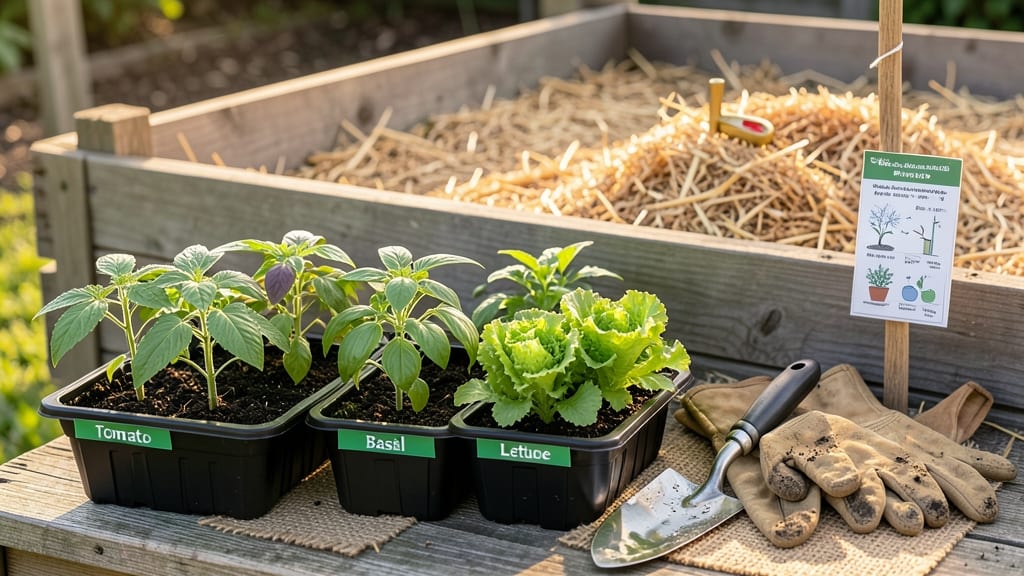
Timing your garden in Zone 6b can feel like a high-stakes guessing game—plant too early, and frost zaps your seedlings; wait too long, and you miss the perfect window for harvest-ready crops.
The difference between a bumper crop and a disappointing patch often comes down to knowing exactly when to put those seeds in the ground.
With last-frost dates typically landing between mid-April and mid-May, Zone 6b gardeners face a tight schedule. Cool-season crops like peas and lettuce need to go in 4-6 weeks before that final frost, while tomatoes and peppers demand warmth—so they can’t wait.
But here’s the catch: your exact planting window depends on whether you’re in the Piedmont or the Appalachians, where microclimates can shift dates by weeks.
In this guide, I’ll break down the precise planting calendar for Zone 6b, including how to adjust for unpredictable springs and extend your growing season. Whether you’re a first-time gardener or a seasoned pro, these insights will help you avoid common mistakes and maximize your harvest.
Ready to turn your garden into a year-round success? Let’s dive into the month-by-month planting strategy that works for Zone 6b’s unique climate.
Zone 6b last-frost dates by month: when to plant cool vs. warm-season crops
Zone 6b gardeners face a critical 30-day window between April 15 and May 15 for last-frost dates, but regional differences—like Piedmont's warmer lowlands versus Appalachian valleys' late frosts—can shift planting by 2 weeks or more.
Warm-season crops like tomatoes and peppers need soil temperatures above 55°F, while cool-season kale and spinach thrive when nights stay below 70°F. Without timing precision, even frost-tolerant plants like broccoli can bolt or rot.
First-frost dates in Zone 6b typically arrive between October 15 and November 15, but elevations above 2,000 feet can push frost dates 2 weeks earlier. This means fall-planted garlic or overwintered onions must go in by September 15 to establish roots before dormancy.
Even perennials like asparagus need 60 days of frost-free growth to mature properly.
Here’s how to navigate these dates with confidence—starting with the most critical planting windows for Zone 6b’s top crops:
For cool-season crops, start seeds indoors 6–8 weeks before your last frost date. In Zone 6b, this means mid-February for broccoli or cabbage, while lettuce can wait until late March. Harden off seedlings by mid-April to avoid transplant shock when nights still dip to 35°F.
I’ve lost entire spinach batches to overnight freezes—always use row covers for the first 2 weeks after planting.
Warm-season crops like tomatoes and peppers are far more forgiving if planted 2 weeks late than early. The key is <
How to adjust planting dates for Zone 6b’s unpredictable spring weather
Zone 6b’s unpredictable spring weather can turn a perfect planting plan into a disaster overnight. Even if your last-frost date is April 15, a late freeze in May can wipe out tender seedlings.
The key is flexibility—using microclimate adjustments, cold-hardy crops, and protective tools to extend your growing season safely.
Start by checking your local frost-free date using tools like the National Weather Service’s frost calculator or your county extension office. These dates often vary by 1–2 weeks even within the same zone.
For example, Piedmont Zone 6b may see frost by May 1, while Appalachian 6b could wait until May 15.
- 📅 Use a frost-free date calculator (e.g., Almanac’s Frost/Freeze Tool) to get localized averages, not just zone-wide estimates.
- 🌱 Plant cold-hardy crops 4–6 weeks before your last frost (e.g., spinach, peas, kale)—they’ll survive light frosts.
- 🛡️ Extend seasons with row covers (e.g., floating tunnels or frost blankets) to push planting 2–4 weeks earlier for warm-season crops.
- 🌡️ Monitor soil temperature—most seeds need 40–50°F to germinate. Use a soil thermometer to avoid planting too early.
- 📍 Leverage microclimates: South-facing slopes warm faster, while low areas stay colder. Plant heat-lovers (tomatoes, peppers) in sunny spots first.
For warm-season crops like tomatoes and peppers, wait until 2–3 weeks after your last frost date—but don’t wait too long. Soil temperatures above 60°F are ideal for germination. If your soil is still cold, use black plastic mulch to warm it faster.
Another trick is successive planting. Sow lettuce or radishes every 2 weeks from early spring to early summer. This ensures a steady harvest even if early plantings fail due to frost. Pair this with fast-maturing varieties (e.g., ‘Early Girl’ tomatoes or ‘Cherry Belle’ radishes) to maximize yields.
Don’t forget fall planting! Zone 6b’s first frost typically arrives between October 15–November 15. Cool-season crops like broccoli, carrots, and garlic thrive when planted in late summer (August–September). Use row covers to protect them into early winter for extended harvests.
When in doubt, start seeds indoors 4–6 weeks before your last frost. This gives you a head start and lets you harden off seedlings gradually. For extra insurance, keep a frost watch on your phone—apps like Frost Alert send warnings so you can cover plants quickly if needed.