
Plants
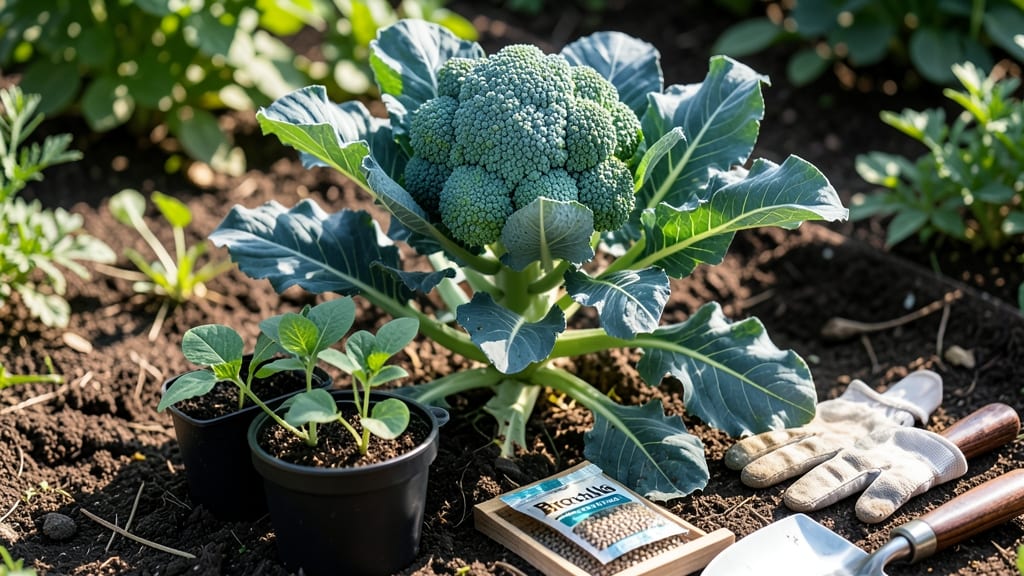
Planting broccoli 🥦 at the wrong time in Zone 6b can turn your lush green heads into bitter, bolted flowers—wasting months of effort. But timing it just right ensures a bountiful harvest with crisp, flavorful crowns.
If you've ever stared at a sad, yellowing broccoli plant in July and wondered, "What went wrong?"—the answer is likely heat stress.
Broccoli thrives in cooler weather, and in Zone 6b, that means planting early enough to avoid the summer heat while still giving it time to mature before frost.
I’ve grown broccoli in Zone 6b for years, and the key is planting 4-6 weeks before your last frost date—typically late March to early April—for a spring harvest. For a fall crop, aim for late summer (August) to give it 80-100 days before the first frost.
In this guide, I’ll break down the exact dates, soil temperature tips, and how to adjust for early vs. late varieties—so you can avoid bolting and enjoy a harvest from May to November. Let’s get started!
Optimal broccoli planting dates in Zone 6B (with bolting risks)
Broccoli thrives in Zone 6B when planted during two precise windows: early spring and late summer. Missing these timelines risks premature bolting—when your plants flower instead of forming heads.
The key is avoiding soil temps above 85°F or extended heat waves, which trigger bolting even in fast-maturing varieties.
For spring planting, start seeds indoors 4-6 weeks before your last frost date (typically March 1-15 in Zone 6B). Transplant seedlings outdoors 2-3 weeks before last frost—around April 1-15—when soil reaches 40-50°F. This ensures heads form before summer heat arrives.
Fall planting is trickier but rewarding. Sow seeds 80-100 days before first frost (aim for August 15-September 1) to harvest before winter sets in. Use fast-maturing varieties like 'Calabrese' (58 days) to beat Zone 6B's first frost around October 15.
Bolting risks spike when daytime temps exceed 75°F for 3+ days. In Zone 6B, this often happens by mid-June, making spring planting a race against time. Shade cloth (30-50%) can delay bolting by 1-2 weeks if applied when heads form.
| Planting Window | Ideal Start Dates | Soil Temp | Bolting Risk | Harvest Window |
|---|---|---|---|---|
| Spring Planting | Indoors: Mar 1-15 Outdoors: Apr 1-15 |
40-50°F | Low (if planted early) | May-June |
| Fall Planting | Outdoors: Aug 15-Sep 1 | 50-70°F | Moderate (heat risk early) | Oct-Nov |
| Extended Fall (Risky) | Outdoors: Sep 15-Oct 1 | 50-65°F | High (late frost risk) | Nov (if frost delayed) |
Zone 6B's 165 frost-free days create a narrow window for fall broccoli. Plant too early (before August), and summer heat triggers bolting. Plant too late (after September 10), and heads won't mature before frost. Staggered plantings every 2 weeks in August can extend your harvest through October.
Choose cool-season varieties like 'Waltham 29' (70 days) for fall or 'De Cicco' (50 days) for early spring. Avoid heat-tolerant types like 'Belstar'—they bolt faster in Zone 6B's summers. Always check seed packets for days to maturity and count backward from your first frost date.
Even with perfect timing, soil moisture is critical. Let soil dry between waterings, but never to the point of wilting. Drip irrigation keeps leaves dry, reducing disease risks that stress plants and encourage bolting. Mulch with straw or grass clippings to maintain even moisture and cool roots.
If your broccoli bolts prematurely, don't despair—side shoots (small heads that form after bolting) are still edible and flavorful. Harvest these every 2-3 days to encourage more production. Just avoid letting flowers fully open, as they become bitter and tough.
For Zone 6B gardeners, success hinges on two dates: your last frost (April 15) and first frost (October 15). Master these, and you'll enjoy crisp, sweet broccoli heads twice a year—no bitter surprises included.
How to adjust planting for early vs late varieties in Zone 6B
In Zone 6B, broccoli varieties mature at different speeds, which means planting timing can make or break your harvest. Fast-maturing types like 'Calabrese' (50-60 days) bolt quickly in heat, while slower varieties like 'Waltham 29' (70-80 days) need cooler conditions to develop properly.
The key is staggered planting to avoid a single overwhelming harvest or wasted effort.
Early varieties like 'De Cicco' (45-55 days) are perfect for spring planting in March, while late varieties such as 'Waltham Butternut' (80+ days) thrive when seeded in late summer (August). This strategy ensures you’re always harvesting fresh heads instead of dealing with a glut or bitter, bolted plants.
| Variety Type | Days to Maturity | Best Planting Window | Harvest Window | Key Strategy |
|---|---|---|---|---|
| Early (e.g., 'Calabrese') | 50-60 days | March 15-April 15 | May-June | Plant in cool soil (40-50°F) |
| Mid (e.g., 'Waltham 29') | 60-70 days | April 1-April 30 | June-July | Use shade cloth if temps rise |
| Late (e.g., 'De Cicco') | 70-80+ days | August 1-September 1 | October-November | Plant after 90°F heat waves pass |
For continuous harvests, I plant a mix of varieties every 2-3 weeks in spring and again in late summer. For example, start with 'Calabrese' in mid-March, then follow with 'Waltham 29' two weeks later. This ensures you’re always picking fresh heads while older plants finish maturing.
Zone 6B’s unpredictable heat spikes can turn even late varieties bitter. To mitigate this, I use row covers for early plantings and focus on fall varieties that mature before the first frost.
Always check your last frost date (typically October 15 in Zone 6B) and count back 80-100 days to determine your latest planting window.
Don’t overlook transplanting tips for seedlings. If you start indoors, harden off seedlings for 7-10 days before setting them out. This reduces transplant shock, which can delay maturity and increase bolting risks. Use well-draining soil with a pH of 6.0-7.0 to give all varieties their best shot at success.
By matching your variety choice to the season and using staggered planting, you’ll enjoy a steady supply of broccoli from May through November—without the frustration of bolting or wasted effort. 🌱