
Companion Plants
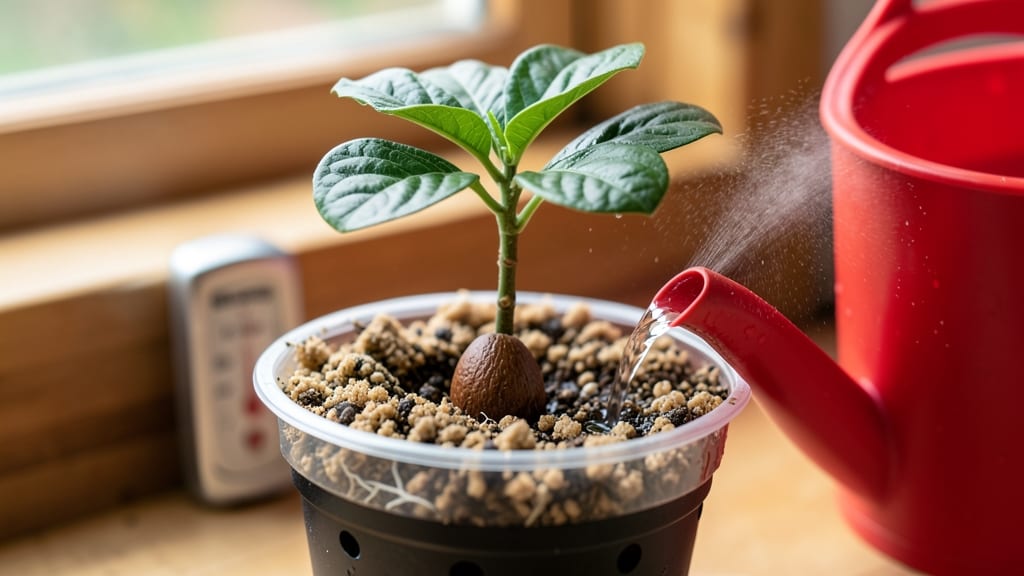
Planting your avocado seed in soil at the wrong time can turn your 🥑 Avocado Tree project into a soggy disappointment—too soon, and you risk rot; too late, and germination stalls forever.
The secret lies in watching for those tiny but critical signs of readiness, like 1-2 inch roots and a sturdy 1-inch shoot.
Most gardeners start their seeds indoors in water, but moving them to soil too early—before 4-8 weeks of root development—can drown your seedling. Instead, wait until your Avocado Tree has a strong root system and a leafy top, usually by late spring in USDA Zone 6a.
Once your seedling is ready, the next challenge is choosing the right soil mix and container. Poor drainage is the #1 killer of young avocado trees, so we’ll cover how to set up your seedling for success—whether you’re planting in pots or directly in the ground after the last frost.
From picking the perfect transplant window to keeping your seedling happy post-planting, I’ll walk you through every step. By the end, you’ll know exactly when and how to give your 🥑 Avocado Tree the best shot at growing into a thriving plant.
Optimal germination timeline: when to move avocado seeds from water to soil
Timing the transition from water to soil is the most critical step in growing an avocado tree from seed. Most seeds develop roots in 3–8 weeks of soaking, but waiting too long increases rot risk while transplanting too early stalls growth.
The exact window depends on root length, shoot emergence, and your climate zone.
Start by monitoring your seed daily once the primary root reaches 2–3 inches long. This typically occurs within 4–6 weeks for healthy seeds. Tropical climates may see faster growth, while cooler temperate zones could extend this to 7–8 weeks.
The key is watching for a second root or small leaves forming.
Here’s the exact timeline breakdown with environmental cues to watch for:
| Development Stage | Root/Shoot Characteristics | Transplant Window | Climate Adjustments |
|---|---|---|---|
| Root Growth (2–3") | Single root, no leaves | Not ready (wait 1–2 weeks) | Temperate zones: slower growth |
| Early Sprout (3–4") | Root splits, tiny leaves | Ideal transplant time | Tropical zones: transplant sooner |
| Leaf Formation (4–6") | 2–3 leaves, 1–2" long | Last chance (8 weeks max) | Indoor seedlings: extend window |
| Over-Mature (>6") | Yellow leaves, weak stem | Risky (high failure rate) | Avoid in cold climates |
For tropical climates, aim to transplant when roots reach 3–4 inches and leaves appear—this usually happens within 4–6 weeks. The warm, humid conditions accelerate growth, so don’t wait past 6 weeks or risk stunted development.
In temperate zones, extend the window to 7–8 weeks and prioritize transplanting once you see 2–3 leaves forming.
Indoor-grown seeds may take slightly longer due to lower humidity. If your seedling develops yellowing leaves or a weak stem before transplanting, it’s a sign of over-maturation.
This often happens when roots exceed 6 inches without soil support. In this case, trim roots to 4 inches and proceed with caution.
Outdoor transplanting should align with your last frost date. In USDA Zone 6a, this is typically mid-April. If transplanting indoors, use a grow light to simulate 6+ hours of sunlight daily until outdoor conditions stabilize. Avoid transplanting outdoors before temperatures consistently stay above 50°F (10°C).
One common mistake is transplanting based solely on root length without checking leaf health. A seedling with dark green leaves and firm stems is ready, while wilted or brown leaves signal stress. Always transplant on a cloudy day to reduce shock from direct sunlight.
Pro tip: Use a clear container for water germination to monitor root growth without disturbing the seed. Once roots hit 3 inches, prepare a well-draining potting mix with perlite or sand to prevent rot. This mix should be slightly acidic (pH 6.0–7.0) to mimic natural avocado growing conditions.
Remember, patience is key. Rushing the transplant process can lead to root damage or fungal infections, while waiting too long may result in a seedling too large for its first container. Aim for a 4–6 inch root system with 2–3 leaves for the best success rate.
Step-by-step soil transplant process for avocado seeds: what to do and avoid
Now that your avocado seed has sprouted roots and a small shoot, it’s time to transition it from water to soil—but timing and technique matter. Planting too soon risks root rot from soggy conditions, while waiting too long can stunt growth.
The key is watching for a 1-2 inch root system and a leafy shoot 3-4 inches tall, which usually takes 4-8 weeks after germination.
Before transplanting, prepare a well-draining potting mix with perlite or sand to prevent waterlogging. Avoid garden soil—it’s too dense and can suffocate young roots. A 50/50 mix of potting soil and coconut coir works perfectly for avocado seedlings, mimicking their natural tropical environment.
✅ Step-by-Step Transplant Process
- 1. Choose a container with drainage holes—4-6 inch pots are ideal for young seedlings. Avoid plastic if possible; terracotta breathes better and prevents root rot.
- 2. Fill the pot ⅔ full with your prepared soil mix. Gently tap the container to settle the soil and create a small hole for the seedling.
- 3. Handle roots with care: Remove the seed from water and rinse off excess. Use a moist paper towel to wrap the roots and protect them during transfer.
- 4. Plant at the right depth: Bury the seed 1-2 inches deep, ensuring the top of the seed sits just below soil level. Press lightly to secure it.
- 5. Water thoroughly but avoid over-saturating. Let excess water drain completely—soggy soil kills seedlings faster than drought.
- 6. Place in bright, indirect light for the first week. Avoid direct sun, which can scorch tender new leaves.
One of the biggest mistakes is overwatering after transplanting. Avocado seedlings are sensitive to root suffocation, so always check the top inch of soil before watering.
Stick your finger in—if it’s dry, water lightly. If it’s still damp, wait another day. Yellowing leaves are a red flag for overwatering or poor drainage.
After the first week, gradually introduce morning sunlight to harden the seedling. By week 3, it should tolerate 4-6 hours of direct sun daily, just like a mature avocado tree.
Monitor for pests like aphids or spider mites, which thrive in dry conditions. A light spray of water or neem oil can prevent infestations.
If your seedling develops blackened roots or mushy stems, it’s a sign of fungal infection from overwatering or poor drainage. In this case, trim the affected roots with sterilized scissors and repot in fresh, dry mix.
With proper care, your avocado seedling will thrive and reach 1-2 feet tall within a year!