
Plants
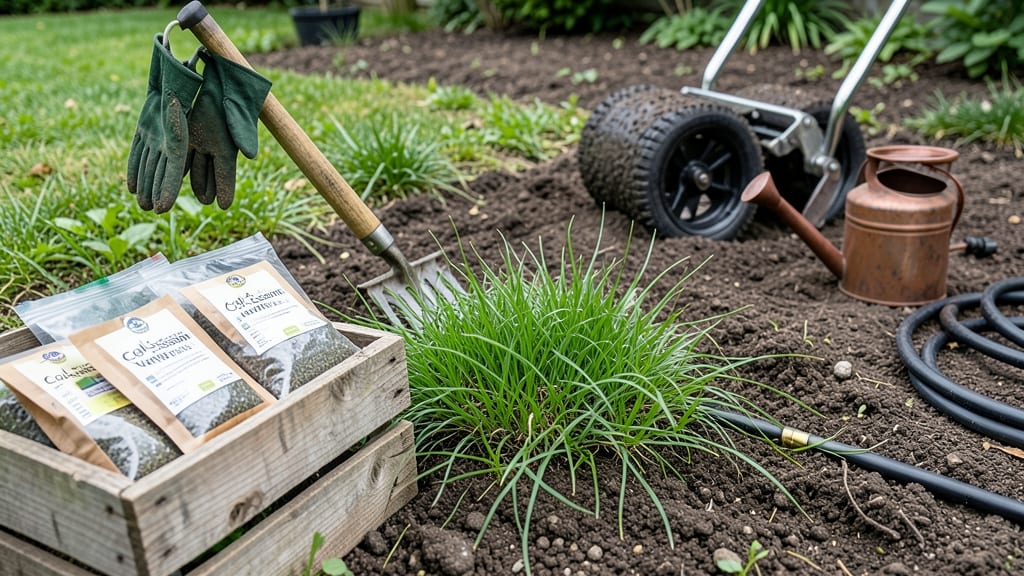
Planting grass seed in Colorado isn’t just about grabbing a bag and scattering—it’s about timing it perfectly to outsmart 160 frost-free days and unpredictable weather shifts. Get it wrong, and your lawn could end up patchy or choked with weeds before it even takes root.
I’ve seen firsthand how a two-week window difference can mean the difference between a lush, drought-resistant lawn and months of frustration. Whether you’re in Denver’s lowlands or the foothills near 6,000 feet, knowing when to plant—spring or fall—depends on soil temperatures, elevation, and even your local microclimate.
Here’s the game-changer: spring planting works best when soil hits 50°F, typically by mid-April, while fall offers a second chance if you act by early September. But altitude changes everything—mountain regions need adjustments you won’t find in generic guides.
Let’s break down the exact deadlines for your elevation, soil prep secrets, and watering hacks to ensure your 🌱 grass thrives year-round—no guesswork, just results.
Colorado grass seed planting deadlines by elevation: spring vs fall timing guide
Colorado’s diverse elevations create dramatically different planting conditions—what works in Denver (5,280 ft) may fail in Aspen (8,000 ft). The key to success lies in matching your soil temperature thresholds and frost-free dates to your elevation zone.
For most Colorado lawns, cool-season grasses like Kentucky bluegrass and fescue thrive when planted during two optimal windows: early spring (before weeds explode) or early fall (when soil stays warm but nights cool).
Your first step is calculating your last frost date—this determines your spring planting deadline. In lowland areas (3,000–6,000 ft), average last frosts range from mid-April to early May, while mountain regions (8,000+ ft) can see frost until late May or June.
For fall planting, aim to finish 4–6 weeks before your first frost, typically mid-September to early October in most zones.
Here’s your elevation-specific planting timeline, including soil temperature requirements for optimal germination (50–60°F for cool-season grasses):
For lowland regions (like Colorado Springs or Pueblo), spring planting should wrap up by late April to avoid weed dominance. I recommend testing soil moisture—if it’s dry below 2 inches, wait for spring rains or irrigate lightly before seeding.
In foothills areas, like Boulder or Fort Collins, extend your spring window to mid-May but monitor for late frosts, which can damage tender seedlings.
Fall planting offers a second chance for Colorado gardeners, especially in higher elevations. The 60-day window before first frost lets grass establish deep roots before winter dormancy.
In mountain regions, like Estes Park or Leadville, focus on July–August planting—this aligns with warmer soil temperatures and lower weed pressure. Pro tip: Use a soil thermometer to confirm temperatures stay above 50°F for at least 7 days post-planting.
One common mistake I see is planting too late in spring—by June, weed seeds are already germinating, and your grass seedlings won’t compete. Instead, opt for fall planting if you miss spring.
Another critical factor is seed selection: Tall fescue tolerates drought and heat, making it ideal for lowland areas, while fine fescue thrives in cooler mountain climates. Always check the seed packet for elevation-specific recommendations.
After seeding, maintain consistent moisture—aim for 1 inch of water per week (either from rain or irrigation) for the first 4–6 weeks. In dry years, consider a light mulch (like straw) to retain soil moisture.
Avoid walking on new seedlings until they reach 3–4 inches tall, or you’ll compact the soil and stunt growth. For mountain regions, extend this protection until 5–6 inches tall due to strong winds and thin air.
Remember, Colorado’s microclimates can vary dramatically even within cities. A south-facing slope may warm up 2–3 weeks earlier than a north-facing yard. Use these elevation guidelines as a starting point, then adjust based on your specific yard conditions.
With the right timing, your grass will outcompete weeds and establish a thick, resilient lawn that survives Colorado’s droughts and freeze-thaw cycles. 🌱
5 Critical factors that determine your grass seed planting success in Colorado
Timing isn't the only factor for a thriving Colorado lawn—your soil moisture, microclimate, and seed selection play equally critical roles. Urban Denver yards face different challenges than rural farmland, and cool-season grasses like tall fescue thrive where warm-season buffalo grass might fail.
Let's break down the five game-changers that separate successful lawns from patchy disappointments.
First, soil moisture is Colorado's biggest wild card. Our state's arid climate means seed can dry out before germinating, while sudden spring rains can wash it away. The key is testing your soil's moisture retention before planting—aim for consistent dampness at 1-2 inches deep.
I've seen lawns fail spectacularly when homeowners assumed "wet" meant "ready," only to watch seeds bake in the sun.
Your microclimate matters more than you think. Urban areas like Denver and Aurora experience heat islands that dry out soil faster, while mountain towns like Fort Collins get cooler nights that slow germination.
Even within your yard, south-facing slopes dry out quicker than north-facing areas. I recommend testing three zones in your yard before planting—you might need different seed mixes for each!
- 1 Soil Moisture Mastery: Test soil dampness at 1-2" depth—aim for consistent moisture without sogginess. Use hydro-mulch to lock in moisture during Colorado's unpredictable spring rains.
- 2 Microclimate Mapping: Urban yards dry 30% faster than rural areas. Test three zones—sunny, shady, and transitional—and select seed blends for each. Tall fescue thrives in Denver's heat, while Kentucky bluegrass struggles.
- 3 Seed Type Strategy: Cool-season tall fescue (60% of Colorado lawns) dominates, but warm-season buffalo grass saves water in drought years. Mix 20% perennial ryegrass for faster germination if planting in late spring.
- 4 Post-Planting Shield: Use straw mulch (not hay!) to protect seeds from wind erosion and bird theft. Water lightly twice daily for 10 days—never let soil dry out during germination.
- 5 Weed Barrier Tactics: Apply corn gluten meal (natural pre-emergent) 2 weeks before planting. Hand-pull weeds immediately after germination—don't let them compete for 60+ days of establishment.
Next up is seed type selection, where Colorado's USDA zones 4-7 create a perfect storm of possibilities. Tall fescue dominates because it handles our hot summers and cold winters, but I've had clients switch to fine fescue mixes for shady areas where tall fescue struggles.
Pro tip: If you're planting in late May or June, add 20% perennial ryegrass to your blend—it germinates faster in our short growing season.
Don't overlook post-planting care, where most Colorado lawns fail. I've seen beautiful new lawns ruined by overwatering or early mowing. After planting, cover seeds with straw mulch (not hay!) to prevent wind erosion and bird theft.
Water lightly twice daily for the first 10 days—think mist, not monsoon. Then switch to deep watering every 2-3 days until germination.
Finally, weed prevention is where many homeowners drop the ball. Apply corn gluten meal (a natural pre-emergent) two weeks before planting to block weed seeds. After