
Plants
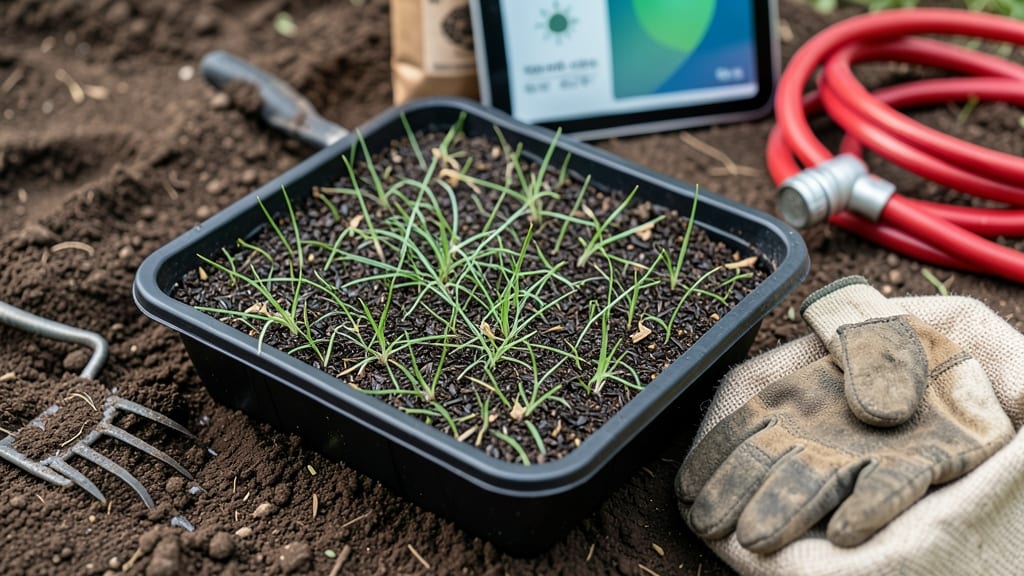
Planting grass seed in North Carolina at the wrong time can leave you staring at a lawn full of weeds instead of lush 🌱 grass. The secret to thick, resilient turf lies in timing—specifically, leveraging the state’s unique climate to give your seeds the best shot at survival.
Most gardeners assume spring is the only window, but early fall actually gives your grass deep root growth before winter sets in. With North Carolina’s varying zones (6a-8b), coastal humidity, and mountain coolness, the ideal planting window shifts slightly depending on where you live.
I’ll break down exactly when to plant—whether you’re in the Piedmont, mountains, or coastal areas—and how to prep your soil for maximum success. Skip the guesswork and get a lawn that stays green year-round.
Ready to transform patchy soil into a vibrant carpet? Let’s dive into the best times, soil secrets, and regional tweaks that make all the difference.
North Carolina’s ideal grass seed planting windows: fall vs. spring breakdown
North Carolina’s climate throws curveballs—humid summers, sudden frosts, and regional microclimates that can make or break your lawn. The best time to plant grass seed hinges on two critical windows: early fall (August–September) and spring (March–April).
But here’s the catch: fall planting gives you a 3-week head start on root growth before winter dormancy, while spring planting races against summer’s scorching heat and weed competition. Let’s break down which window wins in your corner of NC.
Soil temperature is your #1 guidepost. Grass seeds germinate best when soil hovers between 60–75°F. In NC’s coastal regions (Zone 8b), this window stretches from mid-March to early October, while the mountains (Zone 6a) narrow it to late April–mid-September.
Piedmont areas (Zone 7a) fall right in the middle. Humidity also plays a role—too much moisture in summer can smother seeds, while fall’s gentle rains create the perfect germination cocktail.
Here’s the visual breakdown of your planting options, tailored to NC’s three distinct regions:
| Factor | Early Fall (Aug–Sep) | Spring (Mar–Apr) |
|---|---|---|
| Soil Temp Threshold | 60–75°F | 60–75°F |
| Coastal (Zone 8b) | Aug 15–Sep 30 | Mar 1–Apr 15 |
| Piedmont (Zone 7a) | Aug 1–Sep 20 | Mar 15–Apr 10 |
| Mountains (Zone 6a) | Aug 20–Sep 10 | Apr 1–May 1 |
| Humidity Impact | Moderate (ideal) | High (risk of fungal issues) |
| Weed Competition | Low (weeds dormant) | High (spring weeds explode) |
| Root Growth Advantage | ✅ 3x deeper roots by winter | ⚠️ Shallow roots if planted late |
| Best Grass Types | Tall fescue, ryegrass | Bermuda, zoysia (warm-season) |
| Critical Mistake to Avoid | Planting after Oct 15 (frost risk) | Planting before soil warms to 60°F |
Fall planting is my top recommendation for NC gardeners because it sidesteps summer’s brutal heat and gives grass a 6-week head start before winter dormancy. The cooler temps and higher humidity in September create ideal conditions for germination, while weeds are still dormant.
Plus, established roots in fall mean your lawn bounces back faster in spring. That said, spring planting works if you’re seeding warm-season grasses like Bermuda or zoysia, which thrive in NC’s summer heat once established.
Regional timing matters—coastal areas can push fall planting into early October, while mountain zones should wrap up by mid-September to avoid early frosts. Pro tip: Check your USDA zone and aim to plant 4–6 weeks before the first
How to prepare your NC lawn for fall grass seed planting: soil, seed, and weather checklist
Fall is the golden window for planting grass seed in North Carolina, but success hinges on prep work that most gardeners overlook. The soil temperature drops just enough to slow weed competition while keeping seeds moist—ideal for root establishment.
However, skipping soil tests or choosing the wrong seed type can turn your effort into a costly mistake.
I’ve planted grass seed in every NC zone from the coastal plain to the mountains, and the difference between a thin lawn and a thick carpet comes down to three critical factors: soil pH balance, NC-adapted seed selection, and weatherproofing against deer or birds.
Let’s tackle each step so your lawn thrives from seed to maturity.
- 1 Test soil pH (aim for 6.0–7.0) using a home test kit or send a sample to your local Cooperative Extension. NC soils often lean acidic—lime or sulfur amendments may be needed.
- 2 Choose NC-adapted seeds: Tall fescue (shade-tolerant), Bermuda (drought-resistant), or zoysia (heat-loving). Avoid Kentucky bluegrass—it struggles in NC’s humidity.
- 3 Aerate compacted soil in late August to loosen roots and improve seed-to-soil contact. Use a core aerator for best results—rentals cost ~$60/day and save hours of backbreaking work.
- 4 Seed in September (before first frost), but delay in Zone 8b until October. Cover seeds with ¼-inch straw mulch to retain moisture and deter birds.
- 5 Water deeply twice daily (morning/evening) for 2 weeks, then taper to 1 inch/week. Use a rain gauge to avoid over/under-watering—NC’s erratic rainfall makes this critical.
Don’t overlook afternoon shade in urban areas—it can delay germination by 30%. If your lawn has partial shade, opt for tall fescue blends labeled “shade-tolerant.” I once planted Bermuda in a shady spot and ended up with bare patches by winter—learn from my mistake!
Protect your new seeds from deer and birds with wire mesh cages or a lightweight row cover until sprouts reach 2 inches. In my mountain garden, deer decimated a fresh seeding overnight—physical barriers are non-negotiable in high-traffic areas.
Finally, fertilize lightly 4–6 weeks after planting with a starter blend (10-10-10). Avoid high-nitrogen mixes—they burn tender new roots. For organic options, use composted manure or fish emulsion diluted to half-strength.
With these steps, your NC lawn will establish deep roots before winter, outlasting summer heat and next year’s weeds. The key? Prep now—don’t wait until the seed catalogs arrive in spring. 🌱