
Companion Plants
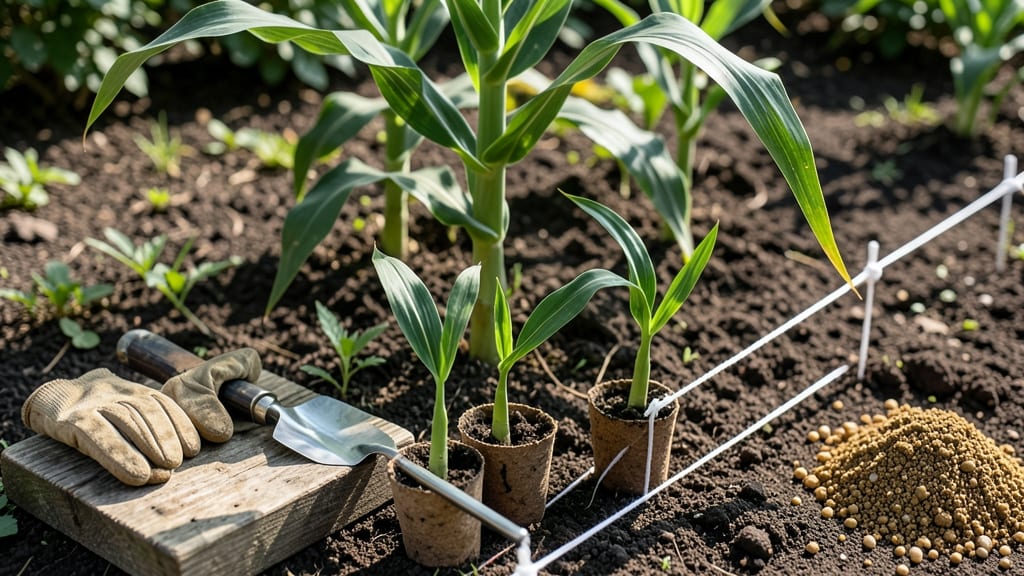
Planting corn in Pennsylvania at the wrong time could leave you with stunted stalks or shriveled ears—especially when late frosts or summer heat throw off your harvest.
The key to sweet, plump corn lies in timing: wait until soil temperatures hit 60°F and all frost danger has passed, typically between mid-April and early June in zones 5b-7a.
But here's the catch: rushing too early risks frost damage, while waiting too late may mean corn matures just as summer heat sets in.
I'll break down the exact months for your zone, plus how to adjust for Pennsylvania's unpredictable weather—so you get ears that are juicy, tender, and ready to harvest by late July.
Whether you're a first-time gardener or a seasoned grower, these insights will help you avoid common mistakes like planting too shallow or spacing seeds incorrectly. We'll also cover companion plants and succession planting to keep your garden productive all season long.
Ready to grow corn that tastes like summer? Let's get started with the perfect planting schedule for Pennsylvania's climate.
Best planting months for corn in PA by hardiness Zone (with exact dates)
Pennsylvania's USDA hardiness zones 5-7 create unique challenges for corn growers, where late spring frosts can delay planting while summer heat demands quick maturity. The key to success lies in understanding your specific zone's last frost dates and soil temperature thresholds—corn needs 60°F soil to germinate properly.
Most Pennsylvania gardeners aim to plant corn between mid-April and early June, but your exact timing depends on whether you're in Zone 5b, 6a, or 7a. In colder northern zones, you might need to use early-maturing varieties, while southern zones can handle slightly later plantings.
Let's break down the optimal windows by zone to ensure your corn reaches peak sweetness.
🌽
In Zone 5b, where late frosts are common, wait until late May to plant—this ensures your corn has enough time to mature before the first frost in mid-October. Use early-maturing varieties like Early Sunglow, which takes just 60-65 days to harvest.
For Zone 6a, you have more flexibility with a window from early to mid-May, allowing for slightly later varieties like Silver Queen.
Gardeners in Zone 7a can plant as early as April, but monitor soil temperatures closely—corn seeds won't germinate below 55°F. The warmer climate supports longer-season varieties, but be prepared to harvest by early October before cooler weather sets in.
Always check your local microclimate, as urban areas may experience 2-3°F warmer soil temperatures than rural spots.
For all zones, succession planting every 2 weeks after your initial planting ensures a continuous harvest. This works especially well in Zone 7a, where you might stagger plantings from April through early June.
Just remember: corn needs 60-90 days to mature, so your last planting should allow for harvest before the first frost.
🌡️
One common mistake is planting too early when soil is still cold. Use a soil thermometer to confirm temperatures—corn seeds won't sprout below 55°F, and germination slows dramatically below 60°F.
If your soil is too cold, consider using black plastic mulch to warm it faster. Another tip: plant corn in blocks rather than single rows to improve pollination and yield.
In Pennsylvania's variable climate, early varieties are your best friend in cooler zones, while heat-tolerant varieties work better in southern PA. Always check seed packets for days to maturity and adjust your planting schedule accordingly.
With the right timing, you'll enjoy sweet, juicy corn straight from your garden all summer long!
☀️
How to adjust corn planting for PA’s unpredictable weather (early vs late varieties)
Pennsylvania’s unpredictable spring frosts and sweltering summer heat demand smart corn planting strategies. Choosing the right variety maturity and planting timing can turn a risky gamble into a reliable harvest.
I’ve learned that early-maturing varieties (like 'Early Sunglow') beat late frosts, while heat-tolerant hybrids (such as 'Silver Queen') thrive in July’s scorching sun.
Your last frost date (typically mid-April in PA) isn’t the only factor—soil temperature matters just as much. Corn needs 60°F+ soil to germinate reliably. I’ve planted too early and watched seedlings wilt from cold soil, so I now wait for consistent 60°F+ readings before dropping seeds into the ground.
🌱
Early-Maturing Varieties (60-75 Days)
- Beat late frosts
- Ready by July
- Good for short seasons
- Smaller ears
- Less heat tolerance
- Limited succession planting
Late-Maturing Varieties (90+ Days)
- Larger ears
- Heat-tolerant
- Better for late summers
- Risk frost damage
- Need longer season
- Requires row covers
To extend your harvest window, I’ve had success using black plastic mulch to warm soil faster and row covers to protect young plants. For early plantings, lay down mulch 2 weeks before to raise soil temps.
For late plantings, use row covers until plants reach 12 inches tall to shield them from late frosts.
Don’t forget succession planting—sow new seeds every 2 weeks in May and June to ensure a steady supply of fresh ears. I’ve planted 'Bodacious' (85 days) in early June and still harvested plump ears in September before the first frost hit.
For heat-prone areas (like Zone 7 in southern PA), opt for drought-tolerant varieties like 'Peaches and Cream'. These hold moisture better and resist silking failure during dry spells. Pair them with drip irrigation for consistent moisture during tasseling and ear development.
🌽