
Plants
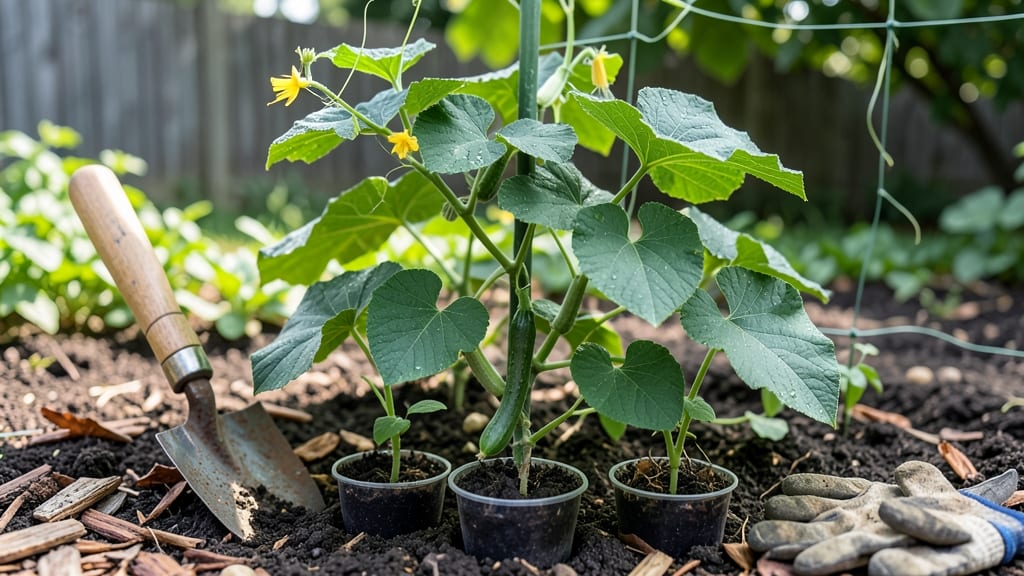
Planting cucumbers in Texas isn’t just about grabbing seeds and sticking them in the dirt—it’s about outsmarting the heat and avoiding the dreaded bolt before you even get a harvest.
With temperatures swinging from chilly mornings to scorching afternoons, timing your 🥒 cucumber planting can mean the difference between a bountiful summer and a wasted season.
If you’ve ever watched your cucumber plants send up flowers and seeds before producing a single fruit, you know the frustration.
Texas’ 8a-10b climate zones demand precision—North Texas gardeners can start as early as mid-February, while South Texas growers should wait until late March to avoid frost damage and heat stress. But here’s the secret: soil temperature matters more than the calendar.
I’ve learned the hard way that rushing cucumbers into cold soil or planting too late in the summer heat leads to disappointment. The key is waiting until the soil hits at least 60°F and choosing the right varieties for your region.
Ready to master the perfect planting window? Let’s break down the science—and save your cucumbers from bolting before they even begin.
From using black plastic mulch to extend your season to selecting heat-tolerant varieties like ‘Straight Eight,’ I’ll share the exact strategies that work in Texas.
Whether you’re in North Texas or the Rio Grande Valley, you’ll leave here with a clear plan to plant cucumbers at the ideal moment—no guesswork, just guaranteed success.
Texas heat zones explained: best planting months by region
Texas’ extreme climate makes cucumber planting a high-stakes game—too early, and cold snaps trigger bolting (flowering without fruit); too late, and 100°F+ heat stresses plants before harvest. The state’s 11 heat zones (A-D) divide planting windows dramatically.
North Texas (Zone A) can start in March, while South Texas (Zone D) begins in February—but even then, soil must hit 60°F+.
Cucumbers thrive in warm soil and consistent moisture, but Texas’ unpredictable heat waves demand flexibility. For example, a North Texas gardener might plant bush varieties in May to escape summer’s worst, while a South Texas grower sows heat-tolerant vining types in late winter for a spring harvest.
Below, we break down the optimal planting months by zone, including temperature thresholds and avoidance periods.
Pro Tip: Use a soil thermometer—cucumbers won’t germinate below 55°F, and vines wilt above 95°F without shade. Black plastic mulch can warm soil 5–10°F faster in cooler zones, while drip irrigation prevents bolting from stress.
| Heat Zone | Region Examples | Optimal Planting Months | Soil Temp Threshold (°F) | Avoid Planting After | Best Varieties |
|---|---|---|---|---|---|
| A | Dallas, Fort Worth, Wichita Falls | March–April (spring), August–September (fall) | 60°F+ | June (heat stress) | ‘Straight Eight’, ‘Bush Champion’ |
| B | Austin, San Antonio, College Station | February–March (spring), July–August (fall) | 65°F+ | May (bolting risk) | ‘Armenian’, ‘Lemon’ |
| C | Houston, Corpus Christi, Beaumont | January–February (spring), June–July (fall) | 70°F+ | April (extreme heat) | ‘Suyo Long’, ‘Marketmore 76’ |
| D | Brownsville, McAllen, Laredo | December–January (spring), May–June (fall) | 75°F+ | March (100°F+ risk) | ‘Diva’, ‘Sweet Success’ |
Zone A (North Texas) has the shortest growing season—plant bush varieties in March for a June harvest before summer’s 105°F+ heat sets in.
Zone D (South Texas), however, can grow cucumbers year-round with shade cloth and drip irrigation, but January–February is ideal for avoiding humidity-related diseases like powdery mildew.
For transplants, wait until after the last frost (even in Texas, late February–March in North zones) and harden them off for 5–7 days. Direct-sow seeds 1 inch deep, 2–3 feet apart, and use trellises to save space and improve airflow.
In Zone C/D, start seeds indoors 3–4 weeks before outdoor planting to beat the heat.
Heat Zone C (Houston area) is the most challenging—cucumbers bolt if temps dip below 50°F or spike above 90°F for >3 days. My trick? Plant shade-tolerant varieties like ‘Suyo Long’ under 30% shade cloth in July–August for a fall harvest. Pair with mulch to retain moisture and reduce soil temps by 5–10°F.
In Zone B (Austin/San Antonio), Armenian cucumbers are my go-to—they handle 95°F+ better than slicing types. Sow in February for a May harvest or July for a September–October bounty. Always water deeply in the morning to prevent bolting and blossom-end rot.
Remember: Texas’ 11 heat zones aren’t just about temperature—they’re about humidity,
How to time cucumber planting for Texas’ unpredictable weather
Texas’ weather can swing from freezing mornings to 110°F heatwaves in a single season, making cucumber planting a high-stakes game. Unlike cooler climates, Texas cucumbers need precise timing to avoid bolting (premature flowering) or heat stress.
The key? Monitoring soil temperature and adjusting for your specific region—North Texas’ last frost might be in February, while South Texas never sees one.
Most Texas gardeners swear by soil thermometers—cucumbers won’t thrive until the ground hits 60°F. In North Texas, this usually means waiting until mid-April, while South Texas can start as early as February under shade cloth.
But don’t rely solely on dates: heat waves can derail even the best-laid plans, so flexibility is your best tool.
🌱 5 Critical Steps to Time Your Texas Cucumber Planting
- Step 1: Test soil temp with a soil thermometer—wait until it’s 60°F+ for 5+ days. Cold soil = stunted growth.
- Step 2: Check your last frost date (e.g., Feb 15 in North Texas, Jan 1 in South Texas). Cucumbers hate frost—even a light freeze kills seedlings.
- Step 3: Use black plastic mulch to warm soil 2-3 weeks earlier in spring. This trick adds 10°F+ to soil temp.
- Step 4: For summer planting, use shade cloth (30-50%) to protect seedlings from 100°F+ heat. Remove after vines establish.
- Step 5: Plant bush varieties (like ‘Bush Champion’) for fall harvests—they mature faster in cooling temps.
Texas’ unpredictable weather demands backup plans. If a heat wave hits right after planting, cucumbers can bolt in days. My go-to fix? Row covers (lightweight fabric) to shield seedlings while allowing airflow. Remove them once vines hit 12 inches tall—this buys you 2-3 weeks of protection.
Don’t overlook fall planting—it’s often more reliable than summer. In North Texas, sow seeds in late July to early August for a cool-season harvest. The trade-off? Shorter days mean slower growth, so choose fast-maturing varieties (like ‘Sweet Success’) with 50-day harvest times.
Pro tip: Mulch heavily with straw or wood chips to keep roots cool. In my East Texas garden, mulched beds stayed 10°F cooler during August heatwaves, preventing fruit scorch. Pair this with drip irrigation (never overhead water) to avoid fungal diseases like powdery mildew.
Remember: Texas cucumbers reward precision. Stick to these steps, and you’ll beat the heat—no bolting, no wilting, just crisp, homegrown harvests all season long. 🥒