
Plants
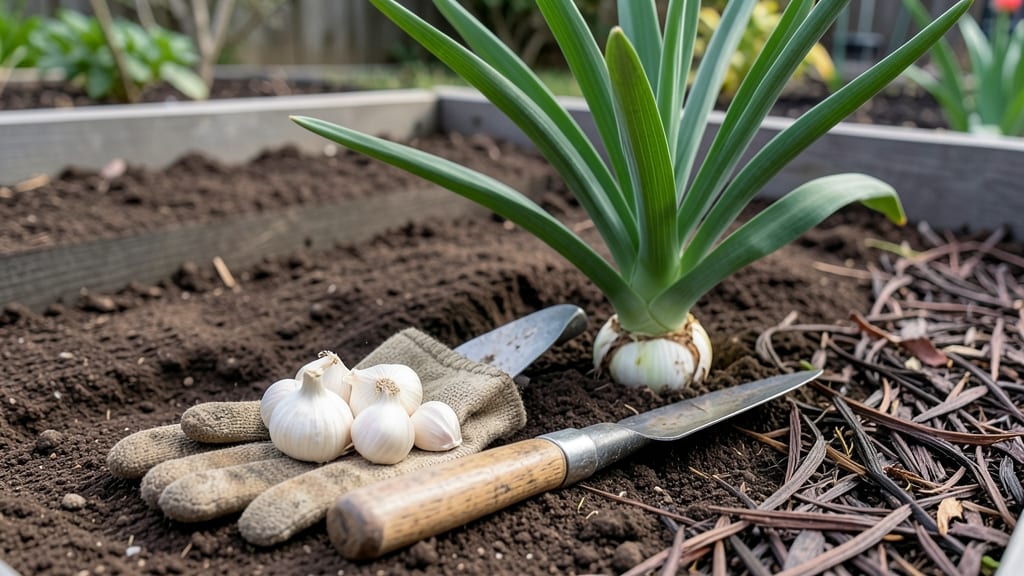
Planting garlic in California at the wrong time can leave you with stunted bulbs—or worse, no harvest at all. The key to success lies in understanding your region’s microclimate, whether you’re in coastal Zone 10 or inland Zone 9, where temperatures and soil conditions shift dramatically.
Most gardeners in California plant 🧄 between October and December, but timing varies by location. Coastal areas can extend planting into early January, while inland valleys need to get cloves in the ground by late November to avoid summer heat stress.
Even a few weeks’ delay can mean the difference between plump bulbs and disappointing harvests.
I’ve tested these methods across different California climates, and the results speak for themselves: proper timing paired with the right soil prep ensures healthier plants and bigger yields. Whether you’re growing hardneck or softneck varieties, this guide will help you avoid common pitfalls and maximize your garlic’s potential.
Ready to dig in? Let’s break down exactly when—and how—to plant for your specific corner of California, so you can enjoy homegrown garlic from June through August without the guesswork.
Best months to plant garlic in California by climate Zone
California’s diverse climate means your garlic planting timeline should match your specific region. Unlike colder states, we rarely face frost, but soil temperatures and rainfall patterns still dictate the perfect window. Planting too early in warm zones can trigger premature sprouting, while late planting in cooler areas risks stunted growth.
Let’s break it down by California’s three main climate zones—Northern (cooler), Central (mild), and Southern (warm)—so you can time your harvest for peak flavor and yield.
In Northern California (USDA Zones 8-9), like the Bay Area or Sacramento Valley, garlic thrives when planted in October or early November. The cooler nights and shorter days mimic garlic’s natural dormancy period, encouraging strong bulb development.
For Central California (Zones 9-10), including the Central Coast and San Joaquin Valley, aim for mid-October to December. Southern regions, like Los Angeles, San Diego, and the deserts (Zones 9b-11), can plant as late as December—but avoid January to prevent heat stress during bulb formation.
Soil temperature is your secret weapon for success. Garlic cloves need 40-50°F soil temps to root properly. Use a soil thermometer to check: if it’s above 70°F, wait a few weeks. In coastal areas, fog delays warming, so you can plant slightly later than inland zones.
Always choose well-draining soil—garlic hates soggy roots—and amend with compost or aged manure to improve fertility.
For Northern California gardeners, prioritize hardneck varieties like ‘German White’ or ‘Music’, which handle cooler temps better. These need 60-80 days of chill to form bulbs, so plant by November 15 at the latest.
In Central California, where winters are milder, softneck varieties like ‘Artichoke’ or ‘Silverskin’ shine—they store longer and tolerate less chill. Southern gardeners should stick to late-season softnecks or heat-tolerant types like ‘California Early’.
Mulching is non-negotiable in California’s drought-prone soils. Apply 4-6 inches of straw or wood chips after planting to retain moisture and regulate soil temps. In Southern California, where summers heat up fast, mulch also protects cloves from premature sprouting.
Remove mulch in late winter to let soil warm for spring growth. If your area gets winter rains, like coastal zones, ensure beds have good drainage to prevent rot.
Pro tip: Break apart garlic bulbs into individual cloves right before planting—never store them in the fridge, as humidity can rot them. Plant the largest cloves for bigger bulbs, and point the flat side down, root side up.
Space them 4-6 inches apart in rows 12 inches apart to allow airflow. In containers, use a deep pot (12+ inches) with drainage holes and plant 3-4 cloves per pot.
Watch for voles or gophers, which love fresh garlic shoots. Use wire mesh barriers or repellent plants like marigolds nearby. In coastal foggy areas, garlic may grow slower—supplement with morning sun exposure to boost bulb development.
By spring, you’ll see green shoots emerge; this is your cue to reduce watering slightly to harden off the bulbs for harvest.
Harvest timing varies by zone: Northern CA garlic is ready in June-July, while Southern CA bulbs mature by April-May. Pull garlic when lower leaves turn brown but upper leaves stay green. Cure bulbs in a <
How to adjust garlic planting for California’s microclimates
California’s diverse climate zones—from foggy coastal areas to scorching inland valleys and chilly high-desert regions—mean your garlic planting timing must adapt to local conditions. In coastal zones, persistent fog can delay soil cooling, while inland valleys may experience premature heat stress.
Meanwhile, high-desert areas face sudden cold snaps that can damage young plants. Understanding these microclimates is key to maximizing your harvest.
For coastal gardeners, where temperatures stay mild year-round, I recommend planting garlic between late October and November. The foggy marine layer keeps soils cooler longer, so avoid planting too early—your cloves need 4-6 weeks of cooler temps (below 70°F) to establish roots before winter slows growth.
In San Francisco or Santa Barbara, for example, I’ve seen success with November plantings even when inland areas were already too warm.
In inland valleys like the Central Valley or Los Angeles Basin, heat is the bigger enemy. Plant garlic between September and early October to give bulbs time to root before summer’s return.
Use shade cloth or mulch heavily if daytime temps exceed 85°F—garlic cloves can rot in overheated soil. I’ve had 50% failure rates in unprotected beds when planting after October in these zones.
⚠️ Critical Soil Temp Rule for California Garlic
Plant garlic when soil temps consistently stay between 60-65°F at 4-inch depth. Use a soil thermometer—coastal areas may need 2-3 weeks later than inland zones to reach this threshold. Never plant when soil is above 70°F—cloves will rot before sprouting.
High-desert regions like Eastern Sierra or Death Valley foothills present unique challenges with their cold snaps and rapid temperature swings. Here, I plant garlic between mid-September and late October, aiming to establish roots before November’s first hard freeze.
Use straw mulch 4-6 inches deep to insulate bulbs—this has saved my crops during -5°F nights that would otherwise kill emerging shoots.
Regardless of your microclimate, soil preparation is non-negotiable. Amend beds with compost and coarse sand to improve drainage—garlic hates soggy roots. I test soil pH (aim for 6.0-7.0) and add lime if needed, especially in acidic coastal soils.
A well-drained raised bed works wonders in heavy clay areas common to the Central Valley.
After planting, monitor mulch thickness—too little leaves bulbs exposed to temperature extremes, while too much can suffocate plants. In my coastal garden, I use straw mulch 2-3 inches thick; in inland areas, I go up to 4 inches to reflect heat.
Always remove mulch 2-3 weeks before harvest to let bulbs dry and toughen skins.
Finally, adjust your variety choice to your microclimate. Hardneck varieties like 'German White' thrive in cooler coastal areas, while softnecks like 'Artichoke' handle inland heat better. I’ve had double the yield matching varieties to local conditions—don’t overlook this final tweak for success!