
Plants
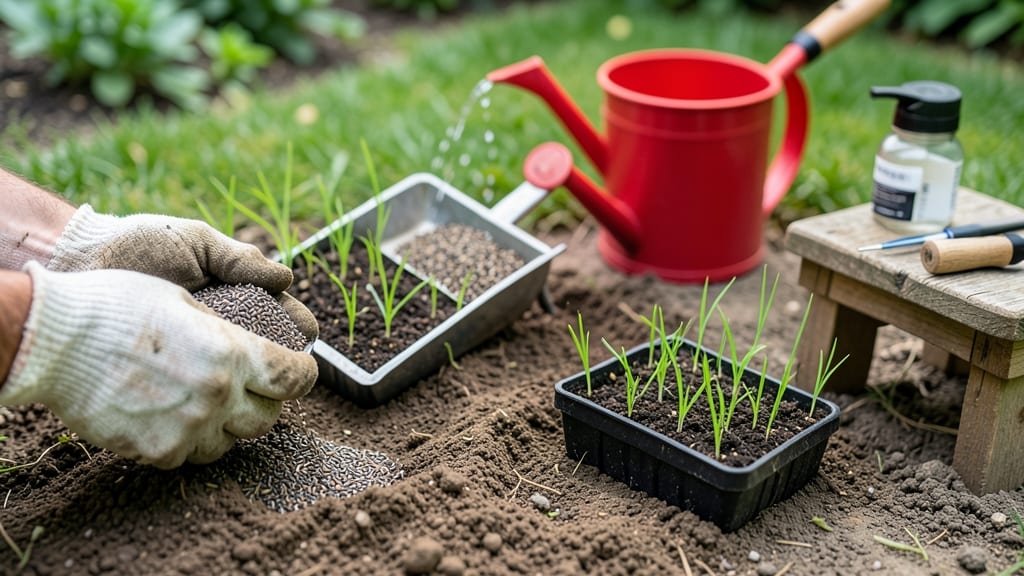
Planting grass seed in Texas isn't just about picking a month—it's about outsmarting the 100°F heat and unpredictable rains that can turn your lawn dreams into a costly mistake.
The difference between a lush, green lawn and patchy disappointment often comes down to timing, especially when you're dealing with warm-season grasses like Bermuda or cool-season varieties like Tall Fescue.
Most Texas gardeners swear by late summer to early fall—August through October—as the best window for planting, when soil temperatures hover in the ideal 70-75°F range.
But here's the catch: North Texas, Central Texas, and South Texas each have their own microclimates, meaning what works in Zone 8a might fail in Zone 10b. Early spring—February to April—is another prime opportunity, but only if you act fast before the heat sets in.
Why does timing matter so much? Because grass seed needs consistent moisture and moderate temperatures to germinate. Plant too early, and you risk drought stress; too late, and the heat will bake your seeds before they even sprout.
I’ve seen firsthand how a well-timed planting can transform a bare yard into a vibrant lawn—without the frustration of replanting.
In this guide, I’ll break down the exact months to plant by region, plus the critical prep steps and care tips that Texas gardeners can’t afford to skip. Let’s get your lawn off to the best start—no guesswork required.
Optimal Texas grass seed planting months by region (North, central, South)
Texas' diverse climate zones mean your grass seed planting timing can vary dramatically from North to South. In the North Texas Panhandle, where winters dip below freezing, cool-season grasses like Tall Fescue thrive when planted in early fall (September-October) or late winter (February-March).
Meanwhile, South Texas' warm-season grasses like Bermuda and St. Augustine demand late spring (April-May) planting to escape summer droughts.
The key to success lies in soil temperature and rainfall patterns. Warm-season grasses need soil temps between 70-75°F, while cool-season varieties prefer 55-65°F. Central Texas sits in the middle, offering a 60-day window from late August to October for ideal germination conditions before winter arrives.
Let's break down the perfect planting months for each Texas region, including soil temperature requirements and weather risks to avoid.
In North Texas, where winters can bring freezing temperatures, planting cool-season grasses like Tall Fescue in early fall gives seeds time to establish before winter dormancy. The September-October window provides 60-70°F soil temps and consistent rainfall, perfect for germination.
If you choose late winter planting (February-March), monitor for late frosts that can damage tender seedlings.
Central Texas offers a unique transitional climate, making it ideal for both cool-season and warm-season grasses. The late summer to early fall (August-October) window works for Bermuda and Zoysia, while Tall Fescue thrives with February-March planting.
However, unpredictable Texas rains can wash away seeds, so use straw mulch to protect newly sown areas.
For South Texas homeowners, the April-May planting window is critical for warm-season grasses like Bermuda. By this time, soil temperatures reach 70-75°F, and the risk of hurricane-season flooding has passed. September-October is your second chance, but be prepared for late summer heatwaves that can stress young seedlings.
Regardless of region, avoid planting during Texas' extreme heat (June-August) or peak hurricane season (August-October). Instead, align your planting with soil temperature and rainfall patterns to give your grass the best chance to establish deep roots before facing seasonal challenges.
Pro tip: Use a soil thermometer to confirm ideal planting temperatures. For warm-season grasses, wait until soil temps stay above 65°F for at least 5 days. For cool-season varieties, aim for 55-65°F to prevent seed rot.
🌱
Remember, Texas' regional differences mean what works in Lubbock may fail in Houston. Always check your local USDA zone (8a-10b) and microclimate—shaded areas stay cooler longer, while full sun spots heat up faster. When in doubt, late summer to early fall remains the safest bet for most Texas lawns.
Once you've picked your planting window, prepare your soil by removing debris, loosening compacted clay, and adjusting the pH to 6.0-7.0. These steps ensure your grass seed gets the best start in Texas' challenging growing conditions.
✂️
How to time your planting for perfect germination conditions
Timing your grass seed planting in Texas requires more than just picking a month—it’s about creating the perfect soil temperature and moisture balance for germination. Warm-season grasses like Bermuda and St. Augustine thrive when soil temps hit 70-75°F, while cool-season Tall Fescue needs 55-65°F.
Texas’ unpredictable heatwaves and sudden rainstorms can derail even the best-laid plans, so preparation is key.
Start by testing your soil temperature with a simple soil thermometer (available at garden centers). For warm-season grasses, wait until late summer or early fall when daytime highs are consistently above 80°F but nights cool slightly—this prevents seed from drying out too quickly.
Cool-season grasses should go in early spring or late summer when soil temps drop below 80°F.
⚠️ WARNING: Planting in Texas’ Peak Heat is a Recipe for Failure ⚠️
- Soil temps exceed 85°F (seeds bake before germinating)
- Forecasts show 10+ days of 100°F+ heat (drought stress kills seedlings)
- Heavy rains are predicted within 48 hours (seeds wash away or rot)
- Early fall (Sept-Oct) for warm-season grasses
- Late winter (Feb-Mar) for cool-season varieties
- Soil moisture levels at 30-50% (use a moisture meter)
To maintain ideal conditions, mulch lightly with straw or peat moss (¼ inch thick) to retain moisture without smothering seeds. Water deeply twice daily—morning and late afternoon—for the first 10-14 days, then taper to 1-1.5 inches per week.
Use a sprinkler with gentle mist or a soaker hose to avoid displacing seeds. In Texas’ clay-heavy soils, amending with compost or sand improves drainage and prevents waterlogging.
Monitor your lawn for even moisture—uneven watering leads to patchy germination. If you notice dry spots, hand-water with a watering can until the soil is uniformly damp. For shady areas, extend the watering schedule by 1-2 extra days since cooler temps slow germination.
Remember, consistency is critical—skipping watering for even a day can set back your entire lawn.
Once seedlings reach 1-2 inches tall, reduce watering to every other day and gradually introduce them to full sun. At this stage, fertilize lightly with a starter fertilizer (high in phosphorus) to encourage root development.
Avoid heavy foot traffic for at least 6-8 weeks—your new grass needs time to establish a strong root system before enduring Texas’ harsh conditions.
By mastering these timing and care strategies, you’ll give your grass seed the best chance to thrive in Texas’ challenging climate. Patience and preparation pay off with a lush, resilient lawn that survives both scorching summers and unpredictable rains. 🌱