
Plants
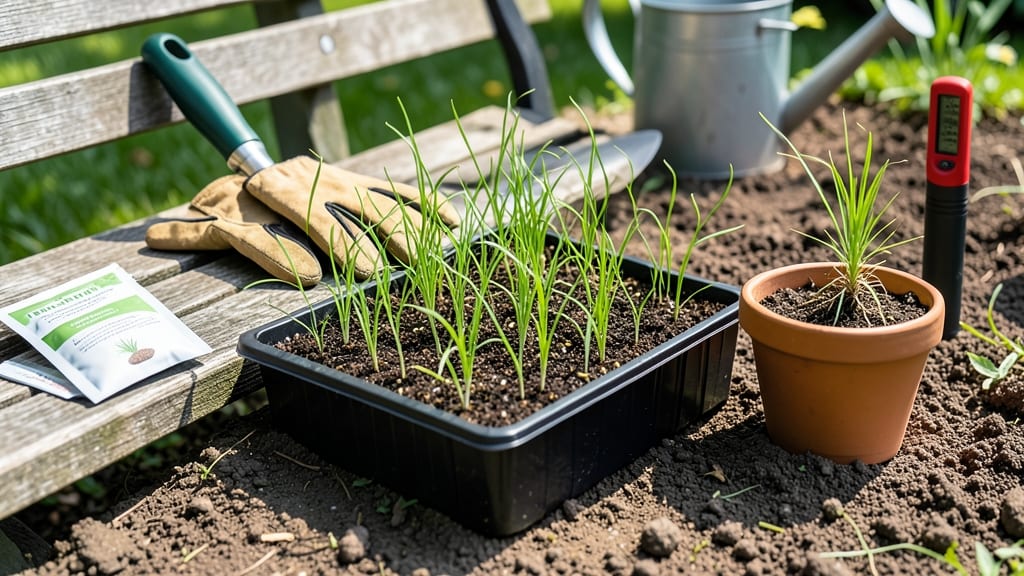
Planting Bermuda seed in North Texas at the wrong time means frost will kill your lawn before it even takes root—or worse, your grass won’t survive the brutal summer heat.
The perfect window is late April through early June, when soil temperatures hit 65°F and the last frost has passed for good.
This isn’t just about avoiding frost, though. Bermuda grass 🌱 thrives in USDA Zone 8a, but even here, early spring can be unpredictable. Too soon, and your seed sits dormant; too late, and your lawn struggles to establish before the scorching Texas sun sets in.
Timing is everything for a lawn that stays lush year-round.
I’ve seen firsthand how a well-timed planting can transform a patchy yard into a dense, drought-resistant carpet. The key? Planting after the last frost date—usually around March 15—but before the soil bakes in mid-June.
Let me show you exactly how to nail this window for a lawn that survives North Texas’ extremes.
We’ll cover soil prep, irrigation tricks, and even how to adjust for urban vs. rural microclimates. By the end, you’ll know not just when to plant, but how to give your Bermuda grass the best shot at thriving—no matter what North Texas throws at it.
North Texas Bermuda seed planting calendar: exact months by frost Zone
North Texas gardeners face a tight window for planting Bermuda seed—too early risks frost damage, while late planting leaves grass vulnerable to summer heat stress. The USDA Zones 7b-8a in this region demand precision timing, with soil temperatures and frost dates dictating success or failure.
Let’s break down the exact months to plant for a thriving lawn, based on local climate data.
Bermuda grass thrives in warm-season conditions, meaning it needs soil temperatures above 65°F (18°C) to germinate properly. In North Texas, this typically aligns with late April through early June, after the average last frost date of March 15.
However, urban areas like Dallas may experience slightly later frost dates, while rural zones like Lubbock can warm up faster.
Here’s your month-by-month planting calendar, tailored to North Texas’ microclimates and frost patterns:
| Month | Planting Window | Soil Temp Threshold | Risk Factors | Action Steps |
|---|---|---|---|---|
| Late April | Optimal start | 65°F+ (18°C+) | Late frosts in rural areas | Test soil temp with thermometer |
| May | Peak window | 70°F+ (21°C+) | None (ideal conditions) | Plant after evening frost risk passes |
| Early June | Extended window | 75°F+ (24°C+) | Heat stress on seedlings | Use shade cloth if temps exceed 90°F |
| July+ | Not recommended | N/A (too hot) | Seedling burn risk | Wait for fall planting (not common) |
For USDA Zone 7b areas (e.g., Denton, Waco), aim for mid-April to early May when soil temperatures consistently reach 68°F (20°C).
In Zone 8a regions (e.g., Lubbock, Abilene), you can start as early as late March, but monitor local frost alerts—urban heat islands can delay frost dates by up to 2 weeks.
Pro tip: Use a soil thermometer to confirm readiness. Bury it 4 inches deep in the shade—Bermuda seed won’t germinate until the soil hits 65°F+. If your thermometer reads lower, wait 7-10 days for consistent warmth. Morning readings are most accurate for planting decisions.
Once planted, Bermuda grass needs 6-8 hours of direct sunlight daily to establish. Shade from trees or buildings can delay germination by 2-3 weeks, so choose open areas for best results.
If you’re in a high-shade zone, consider Tifway Bermuda, which tolerates partial shade better than other varieties.
Watering is critical in the first 30 days—keep soil consistently moist (not soggy) by watering early morning for 10-15 minutes daily. Avoid evening watering to prevent fungal diseases like brown patch, which thrives in North Texas’ humid summers.
After establishment, Bermuda grass becomes drought-tolerant, but seedlings need steady moisture.
Remember: Bermuda grass is warm-season annual in North Texas—it goes dormant in winter. Planting too late (after June 15) means your lawn won’t fully establish before heat sets in, leaving it vulnerable to weeds and pests.
For maximum coverage, aim to have 50% of your lawn green by July 4th.
🌱 For gardeners in DFW or East Texas, check your local AgriLife Extension frost maps weekly—urban areas can have 5-7°F warmer microclimates than rural zones. Adjust your planting date accordingly to avoid frost surprises.
Critical factors that determine your planting success (beyond just months)
North Texas’ unpredictable spring weather throws off even experienced gardeners. While April through early June is your ideal window, success hinges on three critical factors: soil temperature, rainfall patterns, and the Bermuda grass variety you choose. Ignore these, and your seed could struggle to germinate—or worse, fail entirely.
First, soil temperature must reach 65°F consistently at 4-inch depth for Bermuda seed to sprout. A soil thermometer is your best friend—planting too early in March risks frost damage, while waiting until late May may leave your lawn vulnerable to summer heat stress before full establishment.
Next, rainfall patterns play a hidden role. North Texas averages 1.5–3 inches of rain per week in spring, but drought years (like 2022) can slash that by half. Riviera Bermuda handles drought better than Tifway, but both need deep, infrequent watering (1–1.5 inches per week) to develop deep roots.
Overwatering? That’s just as deadly—it promotes shallow roots and fungal diseases.
⚠️ callout warning
- Soil temp < 65°F (seed won’t germinate)
- Forecasted rain < 1 inch/week (drought stress kills seedlings)
- Using Tifway in full sun without irrigation (burns out before rooting)
- Soil hits 65°F+ for 3+ days (test at 4" depth)
- Rainfall ≥ 1.5 inches/week (or supplemental watering set)
- Choosing Riviera for drought years (better heat/drought tolerance)
For drought years, adjust your strategy: plant Riviera Bermuda (not Tifway) and schedule deep watering every 5–7 days instead of daily light sprinkles. Mulch with straw or wood chips to retain moisture, but avoid thick layers—Bermuda needs air and light to germinate.
Pro tip: Test soil moisture by grabbing a handful; if it crumbles easily, it’s dry enough to water.
Finally, microclimates matter. Urban areas like Dallas run 5–10°F hotter than rural Hillsboro, speeding up soil warming. If your yard sits in a heat sink (paved areas, blacktop), plant 2 weeks earlier than the general guideline.
Conversely, shady spots or north-facing yards may need a 1–2 week delay to avoid frost pockets.
Master these factors, and your Bermuda lawn will outperform neighbors’—even in North Texas’ harshest summers. Start with a soil test (pH 6.0–7.5 is ideal), then monitor weather forecasts like a hawk. Patience and prep pay off in thick, green grass by July. 🌱