
Plants
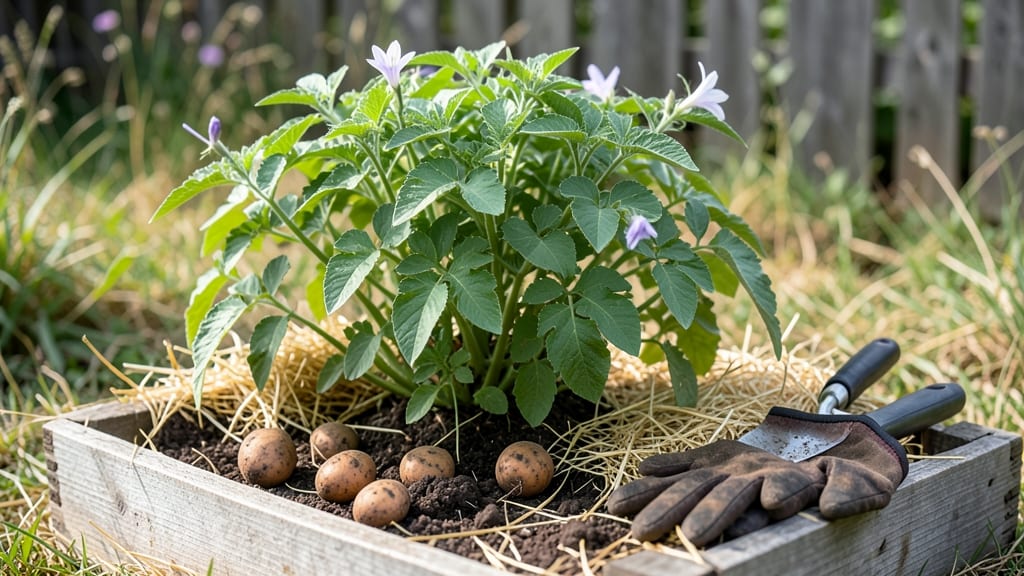
Planting your 🥔 potatoes at the wrong time in Kentucky could mean the difference between a bumper crop and a total flop—especially with USDA Zone 6a frost dates that shift yearly.
While many gardeners default to spring, fall planting is actually a smart strategy for extending your harvest window, but only if you time it perfectly.
Here’s the truth: Kentucky’s last frost typically hits between mid-March and mid-April, but soil temperature—not air temperature—is the real game-changer.
You’ll want to wait until the ground warms to at least 45°F for spring planting, or aim for late September to early October for fall, when tubers have time to mature before winter sets in.
I’ve grown potatoes in Kentucky for years, and the key is balancing variety selection with climate quirks. Early-maturing types like ‘Yukon Gold’ thrive when planted in March or early April, while late varieties need that fall window to avoid frost damage.
Let’s break down the exact timing, soil prep secrets, and how to adjust for your specific corner of the state.
Whether you’re a first-time gardener or a seasoned grower, getting this right means fewer wasted seed potatoes and more crisp, homegrown harvests. Ready to master Kentucky’s potato planting schedule? Let’s dig in.
Kentucky’s ideal potato planting windows: spring vs fall timing explained
Kentucky’s USDA hardiness zones 6a-7a create a unique challenge for potato growers—get the timing wrong, and you’ll either lose your crop to early frost or miss peak harvest season.
The key lies in understanding soil temperature thresholds (45–50°F) and your last average frost date (typically April 15–May 15 across the state). Whether you’re planting in Louisville’s warmer microclimate or Eastern Kentucky’s cooler highlands, these windows ensure your spuds thrive.
Spring planting (March–April) is the gold standard for Kentucky gardeners, giving tubers 90–120 days to mature before frost. Fall planting (September–October) offers a second chance for early-maturing varieties like Red Pontiac, but requires precise timing to avoid winter kill.
Let’s break down the science behind each window and how to adapt to Kentucky’s variable microclimates.
| Factor | Spring Planting (March–April) | Fall Planting (September–October) |
|---|---|---|
| Planting Window | Late March–mid-April (soil at 45°F+) | Mid-September–early October (6–8 weeks before first frost) |
| Ideal Varieties | Yukon Gold, Kennebec (90–120 days) | Red Pontiac, Irish Cobbler (60–90 days) |
| Soil Temp Requirement | 45–50°F (use soil thermometer) | 50–55°F (warmer than spring) |
| Frost Risk | Low (after April 15) | High (November frost likely) |
| Harvest Window | Late August–October | October–early November (before frost) |
| Kentucky-Specific Tip | Use black plastic mulch to warm soil faster in cooler zones (e.g., Eastern KY). | Plant in well-drained raised beds to prevent winter waterlogging. |
For spring planting, Kentucky gardeners should aim to plant seed potatoes as soon as the soil reaches 45°F—typically late March in Western Kentucky and early April in Eastern Kentucky’s higher elevations. Use a soil thermometer to avoid planting too early, which can stunt growth.
In Louisville’s USDA zone 7a, you might even start as early as mid-March, while Lexington’s zone 6b may need to wait until late March.
If you’re considering fall planting, focus on early-maturing varieties like Red Pontiac, which can complete their lifecycle before Kentucky’s first frost (typically November 1). Plant in mid-September for a harvest by late October, giving tubers time to mature before winter sets in.
This method works best in warmer microclimates like Paducah, where fall temperatures linger longer.
One critical factor Kentucky gardeners often overlook is soil preparation. Potatoes thrive in loose, well-draining soil with a pH of 5.0–6.5. Before planting, amend your soil with compost or aged manure to improve drainage, especially in clay-heavy soils common in Northern Kentucky.
Avoid fresh manure, which can burn tender potato roots and reduce yields.
For those in USDA zone 6a (most of Kentucky), spring planting offers the highest yield potential because it aligns with the longest growing season. However, fall planting can be a space-saving strategy if your garden is already occupied with spring crops.
Just be prepared to harvest before frost—even hardy varieties like Irish Cobbler won’t survive prolonged freezing.
Pro tip: Use chitting (pre-sprouting seed potatoes) to jumpstart your spring crop. Place seed potatoes in a cool, bright location (like a sunny windowsill) 4–6 weeks before planting. This ensures your tubers sprout strong, uniform stems ready to hit the ground running when soil warms up.
For fall planting, skip chitting—you’ll want fast germination to beat the clock before frost.
Remember, Kentucky’s microclimates vary wildly. If you’re near the Ohio River Valley, you might enjoy 10–14 days earlier planting than someone in the
5 Critical factors that determine your Kentucky potato planting schedule
Timing your potato planting in Kentucky isn’t just about the calendar—it’s a science of soil warmth, frost risk, and variety selection. Whether you’re in Louisville’s USDA Zone 7a or Eastern Kentucky’s Zone 6a, these five factors will help you avoid frost damage or missed harvest windows.
Let’s break down what truly matters for your spud success.
First, soil temperature is non-negotiable. Potatoes need the ground to reach at least 45–50°F before planting. In Kentucky, this typically aligns with mid-to-late March in most regions, but Eastern Kentucky’s cooler microclimates may push you into early April.
Use a soil thermometer to confirm—planting too early in cold soil leads to rot.
🌱Numbered Highlights Visual Element:
Next, frost risk zones vary dramatically across Kentucky. Louisville’s Zone 7a typically sees its last frost around April 15, while Eastern Kentucky’s Zone 6a can linger until May 1.
For early-maturing varieties like Red Pontiac (90 days to harvest), plant by March 15 in Western KY or March 30 in Eastern KY. Late bloomers like Yukon Gold (120 days) need to be in the ground by April 1 to avoid fall frost.
Don’t overlook container gardening adjustments. Pots heat up faster than soil, so you can plant 2 weeks earlier than ground plantings. However, containers must be at least 12 inches deep and have drainage holes to prevent rot.
Place them in full sun and monitor soil moisture closely—containers dry out quicker than in-ground beds.
Finally, leverage Kentucky State University Extension resources for precision. Their Planting Date Calculator (available at ksre.c.uky.edu) factors in your zip code, variety, and even microclimate to generate a personalized planting window.
This is especially useful if you’re near mountain valleys or urban heat islands, where frost patterns differ from averages.
By mastering these five factors—soil warmth, frost risk, variety selection, container tweaks, and local data—you’ll transform guesswork into a reliable harvest. Happy planting! 🌱