
Plants
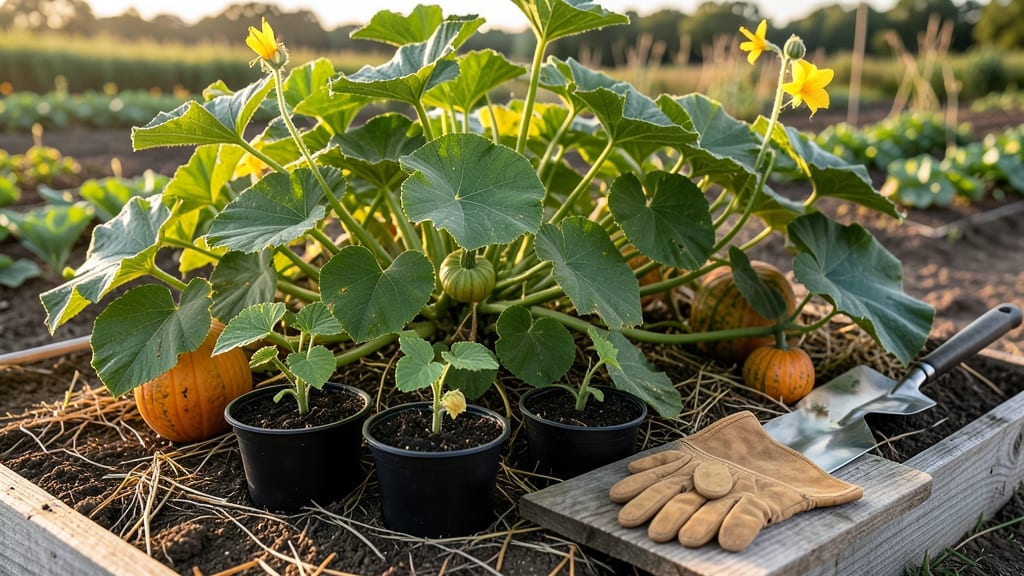
Planting pumpkins in Indiana isn’t just about grabbing seeds and sticking them in the ground—it’s about timing your moves to beat the frost and maximize that 🎃 harvest.
With Indiana’s USDA Zones 5b-6b and unpredictable spring weather, getting the window right means the difference between a thriving patch and a sad, wilted vine.
Most gardeners here swear by mid-April to mid-May as the sweet spot, but that’s not the whole story. Soil temperature plays a bigger role than you’d think—pumpkin seeds need at least 60°F to sprout, and waiting for that warmth can make or break your crop.
Too early, and frost will nip your seedlings in the bud; too late, and you might miss the 90-day growing window before fall’s chill sets in.
Whether you’re starting seeds indoors or sowing directly into the garden, I’ll break down the exact steps to align with Indiana’s climate—plus, how to spot the signs that your pumpkins are ready to hit their prime. Let’s get those vines growing strong and your harvest bountiful.
Skip the guesswork and plant with confidence. By the end, you’ll know exactly when to put those seeds in the soil for a successful pumpkin patch that’ll make your neighbors jealous.
Optimal pumpkin planting dates in Indiana by soil temperature and frost zones
Indiana’s USDA Hardiness Zones 5b-6b create a perfect pumpkin-growing climate, but timing is critical. Soil temperature and frost-free dates determine when to plant for maximum yield. Northern Indiana’s cooler climate differs from southern Indiana’s longer growing season—understanding these differences ensures your pumpkins thrive.
Pumpkin seeds need soil temperatures of 55-60°F to germinate successfully. In Indiana, this typically aligns with mid-April to early May, after the last average frost date. Southern Indiana can start slightly earlier, while northern areas should wait until late April to avoid frost damage to young seedlings.
Giant pumpkin varieties like Atlantic Giant or Mammoth Gold Cube require longer growing seasons (100-120 days), so planting in early May is ideal. Smaller varieties like Jack Be Little or Sugar Pie mature faster (75-90 days) and can tolerate later plantings up to mid-May.
Here’s a quick reference for Indiana’s planting windows based on USDA zones and soil temperature thresholds:
For northern Indiana, planting too early risks frost damage to tender seedlings. Wait until soil temperatures consistently reach 55°F—typically late April. Southern Indiana’s warmer climate allows earlier plantings, but avoid mid-June plantings unless you’re growing fast-maturing varieties like Jack Be Little.
If you’re transplanting seedlings, start them indoors 4-6 weeks before the last frost date. Use biodegradable pots to reduce transplant shock. Harden off seedlings by exposing them to outdoor conditions for 1-2 hours daily the week before transplanting.
Indiana’s humidity and variable rainfall can delay germination. Use a soil thermometer to monitor temperatures and ensure they stay above 60°F for at least 7-10 days post-planting. If nights are still chilly, use row covers to protect young plants.
Giant pumpkin growers should prioritize early May plantings to maximize the growing season. These varieties need 100+ days to mature, so planting in late May may result in underdeveloped pumpkins before the first frost. For smaller varieties, mid-May plantings still allow time for a full harvest.
Always check local frost-free date averages—Indiana’s climate can shift yearly. The Indiana State Climate Office provides updated frost data to help refine your planting schedule. Adjust for microclimates, like urban heat islands or sheltered garden spots, which may extend your growing season by 1-2 weeks.
With the right timing, Indiana’s climate rewards gardeners with abundant pumpkin harvests. Whether you’re growing for carving, baking, or giant competitions, aligning your planting with soil temperatures and frost dates is the key to success. 🎃
Step-by-step guide to planting pumpkins in Indiana’s climate: from seed to soil
Indiana’s humid summers and variable spring frost dates demand careful planning when planting pumpkins. Whether you’re starting from seeds or transplanting seedlings, understanding soil temperature, spacing requirements, and organic matter needs is key to success.
My garden thrives when I follow these proven steps tailored to Indiana’s USDA Zones 5b-6b.
Pumpkins need warm soil (60°F+) to germinate, which typically aligns with Indiana’s last frost date around April 15. However, northern Indiana may need to wait until May 1 for consistent warmth.
Southern Indiana can start as early as mid-April, but always check your local frost-free calendar to avoid frost damage.
- 1 Prepare the Soil: Test your soil’s pH (6.0-6.8) and amend with compost or aged manure to improve drainage. Indiana’s clay-heavy soils benefit from adding sand or perlite for better root development.
- 2 Choose Your Method: Direct sowing is best for Indiana’s short season. Plant seeds 1 inch deep in hills (3-4 feet apart) for better drainage. For seedlings, harden them off for 7-10 days before transplanting after the last frost.
- 3 Space for Success: Vining varieties need 3-4 feet apart in all directions. Bush varieties can be spaced 2-3 feet apart. Overcrowding leads to disease pressure and smaller pumpkins—something I learned the hard way in my first Indiana garden!
- 4 Water Deeply: Keep soil consistently moist (1-2 inches per week) but avoid waterlogging. Indiana’s humidity can encourage powdery mildew, so water at the base of plants in the morning to allow foliage to dry quickly.
- 5 Mulch and Monitor: Apply straw or grass clippings to retain moisture and regulate soil temperature. Watch for squash vine borers, a common Indiana pest—cover young plants with row fabric if needed.
Indiana’s late-season heat can accelerate pumpkin growth, so prioritize shade cloth if temperatures exceed 90°F. My ‘Howden’ pumpkins thrive in these conditions, but I always monitor for heat stress by checking leaf color. Yellowing leaves signal the need for balanced fertilizer (10-10-10) applied every 4-6 weeks.
For compact varieties like ‘Jack Be Little’, reduce spacing to 2 feet and use containers if space is limited. These adapt well to Indiana’s urban gardens and shorter growing seasons.
Always save seeds from your best pumpkins for next year’s heirloom varieties—Indiana’s climate is perfect for preserving unique genetics!
🎃