
Plants
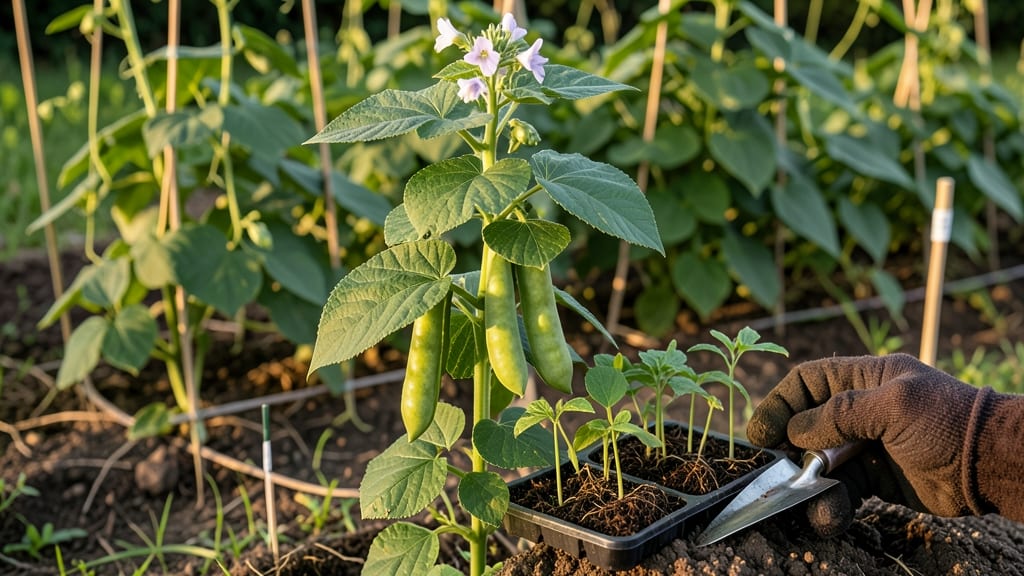
Planting soybeans in Alabama at the wrong time can turn your 🌱 soybean dreams into a costly gamble—especially when heat stress hits hard in USDA Zones 7b-8a. The difference between a thriving crop and a failed harvest often boils down to those critical 3-week windows when soil temperatures and moisture align perfectly.
If you've ever wondered why some Alabama farmers pull in record yields while others struggle, the answer starts with timing. The key isn't just avoiding frost—it's mastering the balance between early planting risks and late-season heat damage.
I'll break down exactly when to plant for maximum success, including how to adjust for your specific microclimate.
You'll discover the ideal planting dates for your region, plus pro tips for soil prep and variety selection that can add thousands to your harvest. Whether you're a beginner or a seasoned grower, these insights will help you sidestep common mistakes and make the most of Alabama's growing season.
Let's dive into the science-backed timeline that separates good soybean crops from great ones—so you can plant with confidence and harvest like a local expert.
Optimal soybean planting timeline for Alabama’s USDA Zones 7b-8a
Alabama’s USDA Zones 7b-8a offer an ideal climate for growing soybeans, but precise timing is critical to avoid heat stress or early frost damage. The last frost date typically falls around March 15, but soil temperature must reach 60°F before planting.
This creates a 6-8 week window from mid-April to early June, depending on your specific zone and variety.
Soybeans thrive in Alabama’s humid heat, but planting too early risks cold soil and slow germination, while late planting exposes them to summer heat stress.
The key is balancing soil warmth with daylength—soybeans need 14+ hours of daylight for optimal growth, which aligns with Alabama’s late spring to early summer.
Determinate varieties (bush types) mature faster—ideal for early-season planting—while indeterminate varieties (vining types) benefit from late-season starts to maximize yield before frost. For Zone 7b, aim for mid-April to late May, and in Zone 8a, extend to early June for late-maturing varieties.
| Planting Window | Soil Temp | Variety Type | Days to Maturity | Best For |
|---|---|---|---|---|
| Mid-April to late April | 60-65°F | Determinate | 80-90 days | Early harvest, Zone 7b |
| Late April to early May | 65-70°F | Indeterminate | 90-100 days | Mid-season yield, both zones |
| Early to mid-May | 70-75°F | Indeterminate | 100-120 days | Late harvest, Zone 8a |
| Early June (Zone 8a only) | 75°F+ | Indeterminate | 120+ days | Heat-tolerant varieties |
For Zone 7b, prioritize early-maturing varieties (80-90 days) planted in mid-April to ensure harvest before September heat waves. In Zone 8a, you can push planting to early June for late-season varieties, but monitor soil moisture closely—Alabama’s summer droughts can stress plants.
Use a soil thermometer to confirm readiness—soil must stay above 60°F for 7+ days before planting. In Zone 7b, aim for April 15-30; in Zone 8a, extend to May 1-15. Late plantings risk pod abortion from heat, reducing yield by up to 30%.
Indeterminate varieties like 'Lee 74' or 'Bragg' thrive with late-season starts (early June in Zone 8a), while determinate types such as 'Hutcheson' excel in early plantings. Adjust row spacing—3-4 inches apart for early varieties, 6-8 inches for vining types—to optimize airflow and reduce disease risk.
Alabama’s humidity demands well-drained soil—amend clay soils with compost to prevent waterlogging. Mulch with straw to retain moisture and regulate soil temperature. In Zone 7b, expect harvests from late August to mid-September; in Zone 8a, extend to October for late varieties.
Monitor first frost dates—typically November 15—and avoid planting after June 1 in Zone 7b or June 15 in Zone 8a unless using heat-tolerant varieties. Late plantings may not mature before frost, wasting resources. For organic growers, use cover crops
How to adjust planting dates for heat stress in Alabama’s humid climate
Alabama’s humid subtropical climate creates unique challenges for soybean growers. While the long growing season offers opportunities, heat stress after mid-June can reduce yields by up to 30%.
The key is adjusting planting dates to align with soil moisture and temperature windows that minimize heat exposure during critical growth stages.
For USDA Zones 7b-8a, I recommend planting determinate varieties between mid-April and early May to ensure maturity before summer’s peak heat. Indeterminate types should go in by late May at the latest.
This timing allows pods to form before consistent 90°F+ temperatures arrive, which can stunt growth and reduce protein content.
⚠️ Critical Heat Stress Window
Alabama’s heat stress period begins after June 15 when daytime temps consistently exceed 88°F. Soybeans planted after this date risk:
- ✖️ Reduced pod set (flowers drop before fertilization)
- ✖️ Seed abortion (developing pods shrivel)
- ✖️ Lower protein content (critical for market value)
Solution: Use shade cloth (30-50%) during July-August if planting late, or select heat-tolerant varieties like 'Bragg' or 'Dare'.
To extend your planting window, I suggest soil moisture management as your first defense. Maintain 1-2 inches of mulch around plants to retain moisture and regulate soil temperature.
Drip irrigation systems set to early morning (before 8 AM) prevent leaf scorch while delivering water directly to roots where it’s most effective.
For drought-resistant varieties, prioritize types with deep root systems like 'Tracy-M' or 'Hutcheson'. These can access moisture 12+ inches deep, giving them an edge during Alabama’s summer dry spells. Pair them with mycorrhizal fungi inoculants at planting to further enhance water uptake efficiency.
Adjust your irrigation schedule based on weekly rainfall totals. In Zone 8a, soybeans typically need 1-1.5 inches of water per week during peak heat.
Use a rain gauge to track accumulation—if you receive less than 0.5 inches in a week, supplement with irrigation immediately after sunset to minimize evaporation.
Finally, consider succession planting for smaller plots. By staggering plantings every 2-3 weeks from April through early June, you create a buffer against heat stress. This strategy ensures at least one healthy crop reaches maturity while others may struggle during extreme heat events.