
Plants
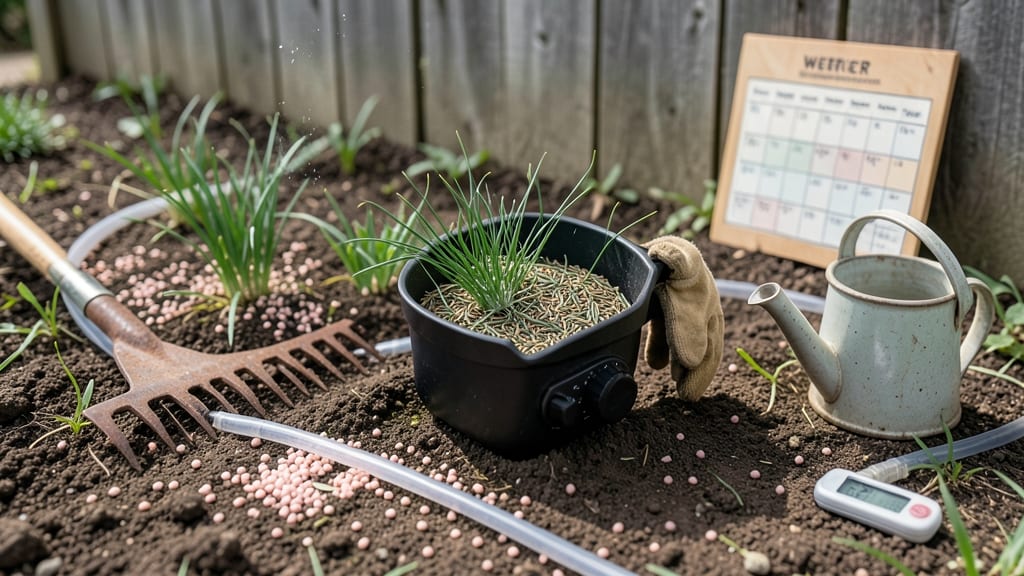
Planting grass seed at the wrong time in spring can turn your dream of a vibrant lawn into a frustrating wait—especially when you factor in your USDA zone's unique deadlines. Whether you're in Zone 6 or another region, timing matters more than most gardeners realize.
In Zone 6, where last frost typically arrives around mid-April, the sweet spot for planting grass seed is 4-6 weeks after that date—when soil temperatures hit 55-65°F.
This window ensures your seeds germinate quickly and avoid frost damage, but getting it wrong could mean wasted effort and patchy results.
I’ve learned the hard way that rushing too early or waiting too late can backfire—whether it’s seeds washing away in heavy rains or struggling to establish before summer heat sets in. The key is balancing soil warmth, moisture, and your local climate patterns.
In this guide, I’ll break down exactly when to plant in your zone, plus 5 critical factors that determine success—so you can finally grow that lush, even lawn you’ve been dreaming of. Let’s get started.
USDA zone-specific spring planting deadlines for grass seed germination
Planting grass seed at the right time in spring ensures strong germination and a lush lawn. The USDA hardiness zones (3-10) dictate the ideal window, with soil temperatures between 50-65°F being critical for success.
In colder zones, early spring planting risks frost damage, while warmer zones may need late spring starts to avoid heat stress.
Cool-season grasses like Kentucky Bluegrass and Fescue thrive when planted in early to mid-spring, while warm-season grasses such as Bermuda and Zoysia prefer late spring planting. Regional variations also play a role—Northern states should aim for March-April, while Southern states can extend planting into May.
Below is a zone-specific guide to help you determine the best time to plant grass seed in your area. Pay attention to soil temperature thresholds and local frost dates to maximize germination rates and minimize risks.
In USDA zones 3-4, where winters are harsh, aim for planting between late April and early May. The soil should be at least 50°F to prevent seed rot, and you should wait until the risk of frost has passed.
For these colder regions, cool-season grasses like Tall Fescue and Perennial Ryegrass are ideal choices due to their cold tolerance.
Zones 5-6 offer a slightly longer window, from early April to mid-May, with soil temperatures ideally between 55-60°F. This is perfect for Kentucky Bluegrass and Fine Fescue, which germinate well in these conditions.
However, avoid planting too early, as late frosts can still occur and damage tender seedlings.
For transition zones (7-8), you have flexibility but must choose the right grass type. Cool-season grasses like Tall Fescue can be planted in April, while warm-season grasses such as Bermuda should wait until late spring (May-June) when soil temperatures exceed 65°F.
This dual approach ensures your lawn stays green year-round.
In warmer zones (9-10), where frost is rare, you can start as early as late March. However, the best time to plant warm-season grasses like St. Augustine or Zoysia is between April and May.
Planting too early can lead to heat stress, while delaying too long risks weed competition and poor establishment before summer.
To ensure success, always test your soil temperature with a soil thermometer before planting. If temperatures are too low, wait a few days—patience pays off with stronger germination. Additionally, prepare your soil by removing weeds and loosening the top layer to create an ideal seedbed for your new lawn.
Finally, remember that watering is critical in the first few weeks after planting. Keep the soil consistently moist (not soggy) until the grass reaches 3-4 inches tall. This encourages deep root growth and helps your lawn establish quickly for long-term success.
5 Critical factors that determine the best planting time for your lawn
Planting grass seed in spring isn’t just about picking a month—it’s a science of timing based on your lawn’s unique conditions. I’ve learned the hard way that rushing too early or waiting too late can leave you with patchy results.
The ideal planting window depends on five key factors that go beyond checking a calendar. Let’s break down what truly matters for your grass seed germination success.
First, soil temperature is your most critical guide. Cool-season grasses like Kentucky Bluegrass and Fescue thrive when soil reaches 50-65°F, while warm-season types such as Bermuda and Zoysia need 65-75°F. A soil thermometer (just $10 at garden centers) will save you from guessing.
I always test in the morning for the most accurate reading—this small step has prevented wasted seed packets for me.
Next comes moisture levels. Your soil should be consistently damp but not soggy during germination. A simple test: grab a handful of soil—if it crumbles when dry but holds shape when wet, you’re golden. Drought conditions or waterlogged areas will stress your new seedlings.
I’ve seen lawns fail because of inconsistent watering, so I set reminders for daily light watering (about ¼ inch) until the grass reaches 3 inches tall.
Don’t overlook frost risk. Even if your local forecast says spring has arrived, a late frost can kill tender seedlings. Check your USDA hardiness zone—zones 3-5 often face frost until mid-May, while zones 7-10 may be frost-free by March.
I wait until 4-6 weeks after the last expected frost to plant, giving nature a buffer. Pro tip: Use frost blankets if you’re in a transitional zone and can’t wait.
Your local climate patterns play a surprising role. Humid Southern climates may experience fungal diseases if you plant too late, while Northern regions risk drought stress in early summer. I once planted Bermuda grass in late April in Georgia—only to watch it wither under June’s heat.
Now, I adjust my timeline based on historical rainfall data for my area, which I find on my state’s agricultural extension website.
Finally, your grass seed type dictates the perfect window. Cool-season grasses (like Tall Fescue) should go down in early spring or early fall, while warm-season grasses (like Centipede) wait for late spring.
I always double-check the seed packet for optimal planting dates—some varieties even specify air temperatures rather than soil temps. Mixing types? Plant them in separate sections to avoid competition.
- Soil Temp: Wait until soil reaches 50-65°F (cool-season) or 65-75°F (warm-season). Use a thermometer for accuracy.
- Moisture Test: Soil should hold moisture like a damp sponge—not bone-dry or muddy. Water lightly daily (¼ inch) until grass is 3 inches tall.
- Frost Buffer: Plant 4-6 weeks after your area’s last average frost date. Check Almanac.com for local data.
- Climate Check: Adjust for humidity (Southern states) or drought (Western states). Plant 2-3 weeks earlier in humid zones to avoid fungal risks.
- Seed Type: Cool-season (e.g., Fescue) = early spring. Warm-season (e.g., Bermuda) = late spring. Never mix types in one area.
Now that you know the critical factors, here’s my final advice: observe your lawn daily for the first two weeks after planting. Look for uniform green shoots—if you see yellow patches or slow growth, it’s a sign to adjust your watering or check for pests.
I’ve turned around failed lawns by catching these early warnings. With the right timing, your grass will establish a deep root system by summer, making it drought-resistant and lush.